HOUSTON – (By Dale King, Realty News Report) – JPMorgan Chase & Co. has donated another $1 million to Avenue, the Houston nonprofit focused on creating affordable homes and strengthening communities across the Bayou City.
The bank’s gift will support Avenue’s Social Impact Fund, a program the organization launched in 2021 to address the growing affordability crisis in Houston.
JPMorgan Chase Gives $1 Million
Avenue’s Social Impact Fund, which received this contribution from JPMorgan Chase, is dedicated to acquiring and preserving naturally occurring affordable housing (NOAH) in the Houston area, said Mary Lawler, Avenue’s CEO. The fund was established to keep rental properties affordable at a time when many working families are increasingly strained by rising housing costs.
“By adding naturally occurring affordable housing to our portfolio, we help prevent displacement of low-income households—often including people of color, seniors, and individuals living with disabilities,” Lawler said.
Preventing Displacement
“Protecting residents from displacement strengthens neighborhoods by preserving social networks, keeping families closer to jobs, and allowing seniors to age in place,” she added.
The investment from JPMorgan Chase will enable Avenue to buy properties from owners who want to sell to a responsible steward committed to preserving long-term affordability for tenants. Lawler noted the bank has supported Avenue for 22 years, funding programs, general operations, and sponsorships such as the annual Art on the Avenue fundraising event.
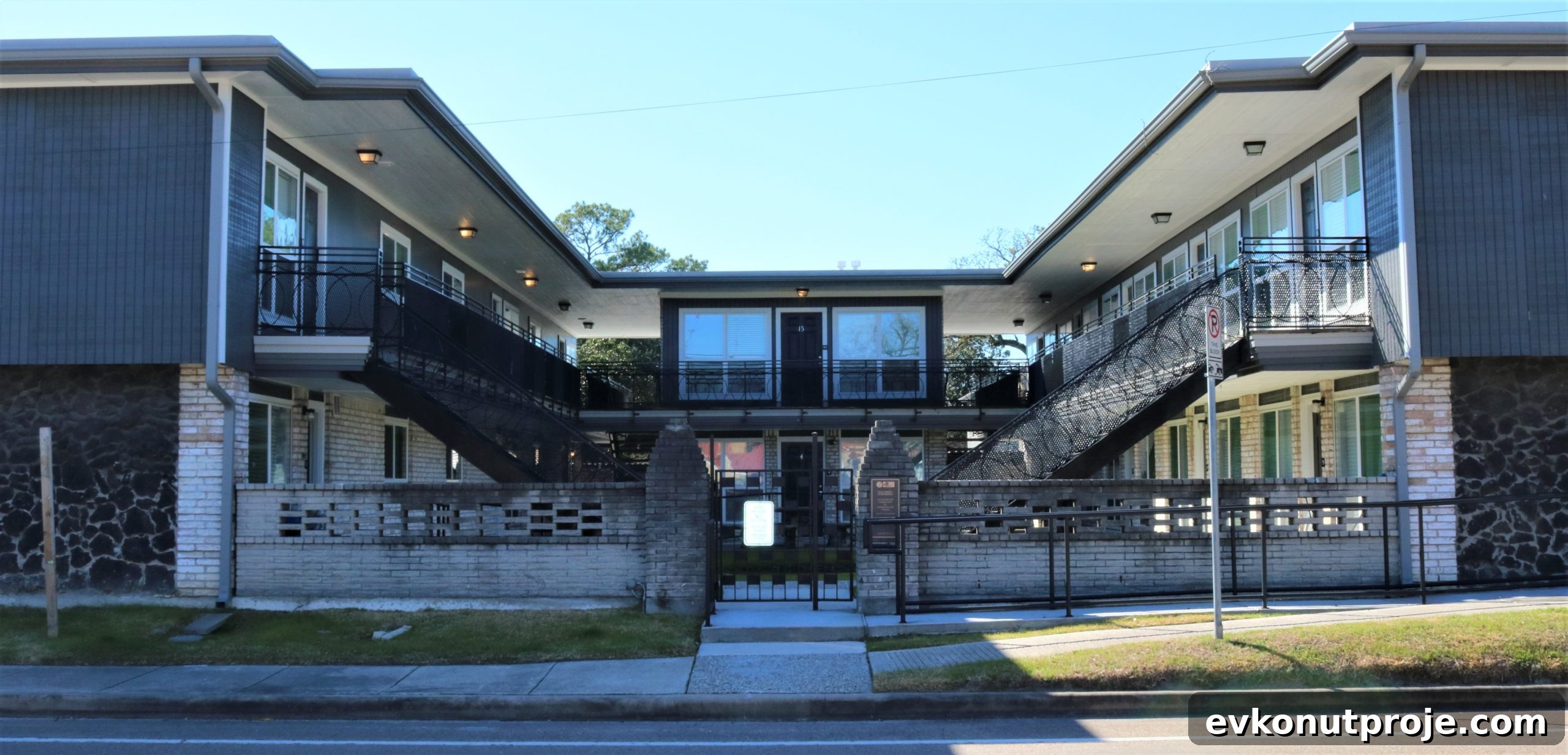
So far, Avenue has acquired three NOAH properties: La Casita Homes, an 84-unit apartment community offering affordable one- and two-bedroom units in the Eastex Jensen neighborhood; Gale Winds, an 18-unit multifamily property in Near Northside; and Las Brisas, a 68-unit development in the greater Heights. Additional acquisitions are in the pipeline.
For more than three decades, Avenue has worked to expand and preserve housing options affordable to low- and moderate-income residents.
“Houston’s shortage of affordable housing was serious before Hurricane Harvey, which only worsened the situation and underscored the urgency of this crisis,” Lawler said.
The Kinder Institute for Urban Research at Rice University reported that, before Hurricane Harvey, nearly 190,000 Houston households faced severe housing problems—spending more than half their income on housing or living in substandard conditions. Wages for many residents have remained stagnant while rents and home prices rise, worsening the gap between need and available affordable units.
Between 2010 and 2017, median gross rent in Harris County rose 21 percent, while roughly 46 percent of renters remained cost-burdened—paying more than 30 percent of income on housing. Nearly one in four Houston renters now pays 50 percent or more of income for rent.
The Kinder Institute also found that the supply of affordable and subsidized homes is shrinking in Harris County and urban regions nationwide. Houston’s market-driven housing and land-use policies have resulted in a smaller share of housing reliant on public subsidies, amplifying the loss of NOAH supply.
Avenue’s Social Impact Fund combines public and private financing, with support from JPMorgan Chase, CenterPoint Energy, The Cullen Foundation, MUFG Union Bank, and NeighborWorks America. The organization aims to acquire an initial 230–310 rental units in Greater Houston to reduce displacement and ensure tenants remain in stable, well-managed properties.
“For too long, low- and middle-income households have been left behind by rising living costs, especially housing,” said Dorian Cockrell, vice president of global philanthropy for JPMorgan Chase. “JPMorgan Chase supports Avenue’s Social Impact Fund to preserve affordable housing and create better futures for local families.”
Lawler pointed to the United Way of Greater Houston’s ALICE report, which found that before the COVID-19 pandemic, 47 percent of Greater Houston families struggled to make ends meet. That included about 33 percent of Harris County households—nearly 1.6 million—that qualify as ALICE (Asset-Limited, Income-Constrained, Employed).
ALICE households earn above the federal poverty level but lack sufficient income for necessities like housing, childcare, food, transportation, and healthcare.
Over the past 30 years, Avenue has leveraged more than $125 million in investments to revitalize neighborhoods, producing 225 single-family homes, 800 rental units, and over 200,000 square feet of commercial space.
“Our new headquarters, Avenue Center, completed in 2021, benefits the surrounding community,” Lawler said. “In addition to Avenue’s offices, Avenue Center includes a YMCA Children’s Academy that helped address the shortage of early childhood education in Near Northside.”
Lawler added that Avenue Center will also welcome a Legacy Community Health clinic to improve healthcare access for working families in Near Northside, helping create healthier communities by improving access to quality, affordable care.
Avenue also develops homes for purchase and rent, provides homebuyer education and counseling to support stable homeownership, and promotes economic development through services such as computer labs, after-school programs, nutrition and fitness classes, and financial literacy training.
Feb. 28, 2022 Realty News Report Copyright 2022
File: Naturally Occurring Affordable Housing
Photo Courtesy: Avenue — Photo of Gale Winds, the 18-unit multifamily property offering affordable living in a desirable location in Houston’s Near Northside.
The United Way Alice Report