Texas Winter Storm 2021: Causes, Damage, and Response
HOUSTON – (By Dale King, Realty News Report) – In mid-February 2021, an extraordinary cold spell struck Texas, causing widespread damage and disruptions that left residents and officials scrambling for answers. CoreLogic, a property research and analytics firm, convened five researchers to explain what happened, why the state was so unprepared, and what the recovery effort looks like.
Meteorological Phenomenon = Fahrenheit Fall
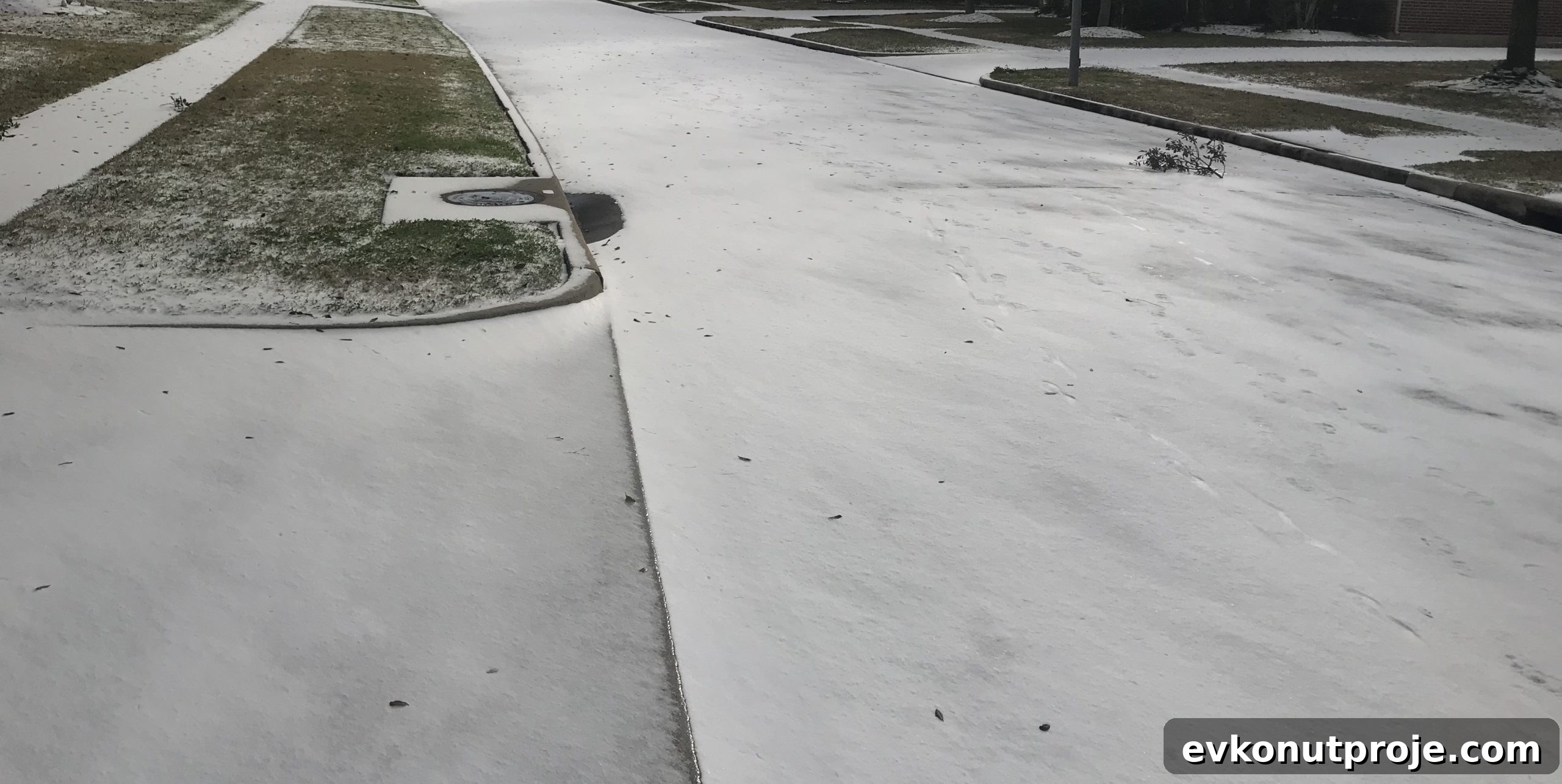
CoreLogic senior analyst Curtis McDonald explained that the event began with an unusual change in the polar vortex. Temperatures around the polar region reportedly rose by roughly 100 degrees Fahrenheit—from about -110°F to -10°F—causing the normally stable vortex to wobble and break apart. Portions of the vortex moved southward, with one mass of cold air migrating from the U.S.-Canada border into the central and southern United States and eventually reaching Texas. The result was the coldest air the state had experienced in about 30 years, compounded by a snowpack stretching from the Dakotas through the Plains to the Rio Grande.
The prolonged cold exposed vulnerabilities in infrastructure and building design across states that are unaccustomed to sustained freezes. Equipment not designed for extended winter conditions—such as cooling-focused components in power systems—failed when subjected to sustained subfreezing temperatures. As cold pockets continued to descend, the event lasted for multiple days and caused millions of dollars in property damage.
Maiclaire Bolton Smith, senior leader of research and content at CoreLogic, noted that extreme weather is becoming more frequent worldwide, and scientists link a changing climate with greater odds of such events. She emphasized the need for the real estate and infrastructure sectors to study this storm closely to prepare for future extremes.
No “R” in ERCOT
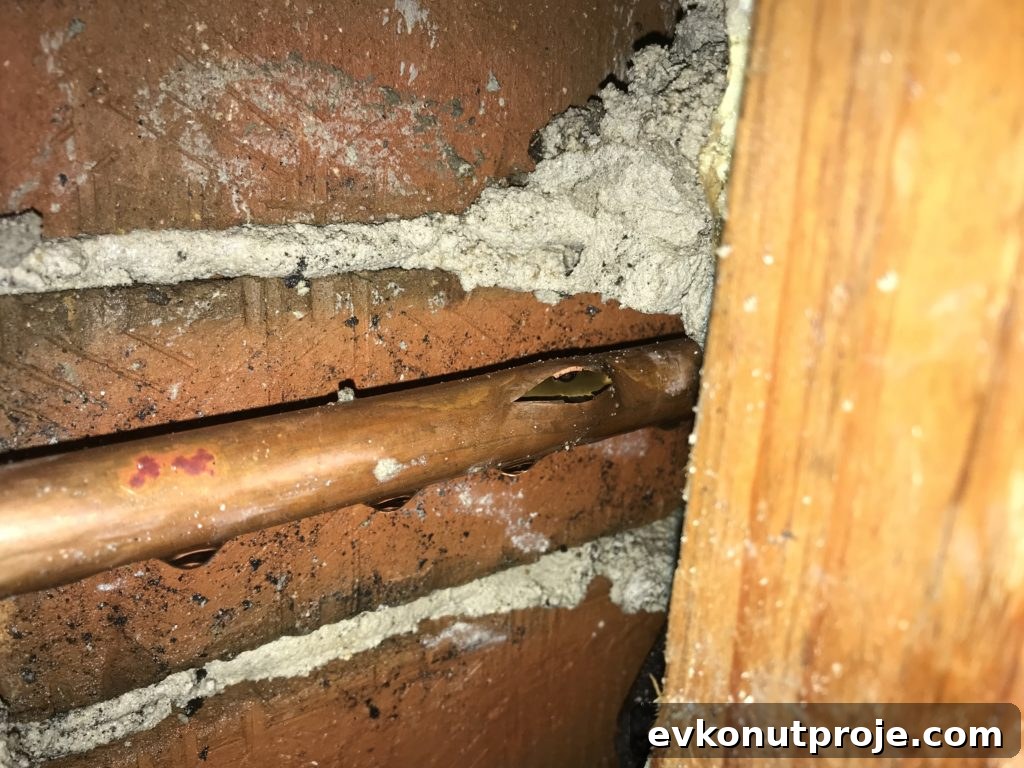
Widespread power outages across the region served by the Electric Reliability Council of Texas (ERCOT) halted water pumping and disrupted heating systems. Without electricity to operate pumps and gas compressors that had been converted to electric power, many homes and buildings lost heat and water pressure. Pipes containing standing water froze and burst inside cold structures, leading to extensive interior flooding.
Tom Larsen, a principal for industry solutions at CoreLogic, explained that ERCOT’s independent operating model limits its ability to import power from other grids, which contributed to the scale of outages. The concurrent failures of generation, fuel supply, and distribution left many communities without reliable heat or water for days.
Storm Target: 8 Million Texans
Larsen described initial estimates that suggested some 23 million housing units across the nation might be affected, but as the event unfolded, the focus narrowed to about eight million units—most of them in Texas. Approximately two million customers lost power at the height of the crisis. Larsen said the principal insured losses arose from burst pipes and resulting water damage, with claims accumulating rapidly and losses expected to reach into the tens of millions of dollars.
ServiceMaster Restore’s field operations director, Austin Hoder, described the logistical challenge of delivering restoration services during a pandemic and while the freeze affected a broad swath of the country. Crews and equipment were mobilized from across the United States, including teams from states as distant as California and Florida, to meet demand.
Hoder recounted restoring a large arena that was scheduled to administer 2,000 COVID-19 vaccine doses, ensuring a safe, dry environment so vaccinations could continue. He added that many restoration technicians had never encountered such severe winter conditions and that equipment had to be specially adapted to operate in the cold.
Response: 700 Workers and 17,000 Pieces of Equipment
ServiceMaster deployed roughly 700 workers—technicians, supervisors, and managers—and around 17,000 pieces of equipment. The company also coordinated delivery of potable water and weeks’ worth of protective gear for crews working amid the pandemic. According to Hoder, recovery efforts remain ongoing in Texas, with the greatest concentration of losses in the Dallas, Austin, San Antonio, and Houston metropolitan areas.
Hoder also observed that unlike a hurricane—when evacuation is possible—most residents remained at home throughout the freeze from Feb. 15 to Feb. 28, increasing exposure to indoor flooding and heating failures.
Kim Miller, national catastrophe claims leader for Swyfft Insurance, urged homeowners and business owners to file claims promptly, document damage with photos, and remain patient through the claims and repair process.
BREAKING NEWS: Texas Utility Official Resigned at Governor’s Request
On Tuesday night, Arthur D’Andrea, the last remaining commissioner on the Texas Public Utility Commission, resigned at the governor’s request. Gov. Greg Abbott announced he had asked for and accepted the resignation.
Chapter 11
In the storm’s aftermath, Griddy Energy, an electricity retailer, filed for Chapter 11 bankruptcy after receiving unusually large bills tied to the crisis. It was the third energy retailer to seek bankruptcy protection in the wake of the winter storm’s market disruptions.
March 17, 2021 Realty News Report Copyright 2021
File: The Cold Hard Facts
Photos by Ralph Bivins, Realty News Report Copyright 2021