Home Price Surge Will Slow Down
By Dale King, Realty News Report – Most recent national studies of U.S. real estate reach a familiar conclusion: home prices have been rising sharply in many markets. That trend has been driven by historically low mortgage rates, strong buyer demand and a limited supply of available homes.

That momentum, however, is likely to change as we move into 2022. “Prices will slow down,” says Ken H. Johnson, Ph.D., a real estate economist and assistant dean of graduate programs at Florida Atlantic University’s College of Business and leader of the FAU Real Estate Initiative. “You will no longer see double-digit price appreciation,” he told Realty News Report.
Johnson expects a market adjustment he calls a real estate “event.” In higher-growth metros that have experienced strong population inflows, buyers and sellers will see a noticeable pause or correction in price gains. In contrast, markets with low or stagnant population trends may face a sharper consequence: continued price stagnation or modest declines.
He emphasizes that, to his knowledge, general home price declines have been rare in the past year, limited mainly to a few small towns. Still, the overall shift will temper the hyper-driven price increases that characterized much of 2020 and 2021.
Johnson cautions that this adjustment should not be confused with the severe collapse seen in the 2008 financial crisis. Instead, he likens the prospect to an economic tropical storm rather than a Category 5 hurricane: impactful enough to reduce unsustainable appreciation but not to cause a nationwide housing crash.
The coming slowdown will bring market values closer to the underlying fundamentals of local economies. High-growth regions such as parts of Texas, Florida and Tennessee could still see cooling, but they will generally fare better than regions with minimal or negative population change. Areas that have been struggling with low demand are at greater risk of prolonged stagnation.
“In many metros, there will not be a housing crash, but rather, the housing market will go flat,” Johnson said. He points to examples like Topeka, Kansas, where population growth has been limited. Low inventory combined with population outflow and rising mortgage costs will pressure prices in such places. Similarly, Johnson notes Montgomery, Alabama—his hometown—where projected population change is slightly negative over the next decade, a dynamic likely to amplify price headwinds.
Overall, Johnson foresees a bifurcation of outcomes across U.S. markets: those with solid population growth will generally perform better than those with stagnant or shrinking populations.
The COVID-19 pandemic reshaped housing preferences and unexpectedly sustained demand. Johnson recalls predicting a market crash in 2020 when the coronavirus first emerged; instead, after a brief slowdown the market rebounded strongly. One surprising change during the pandemic was the marked increase in long-distance and virtual buying. Buyers adapted to remote transactions, and many sought larger homes to accommodate combined living, office and schooling needs as work and education shifted to the home.
Commuting distance also became less important for some buyers, as remote work proved viable for a growing share of workers. That shift contributed to heightened demand in regions that had previously been considered secondary markets.
Hot spots for price increases in 2021 included many Southeastern and Southwestern metro areas, plus parts of the Northwest such as Oregon and Utah. Texas metros and South Florida also recorded stronger population gains; Johnson cites the West Palm Beach area as an example, projecting about 14 percent growth over the coming decade. Conversely, several Midwest markets and many areas in New England, New York and New Jersey have seen residents leaving, reducing local demand.
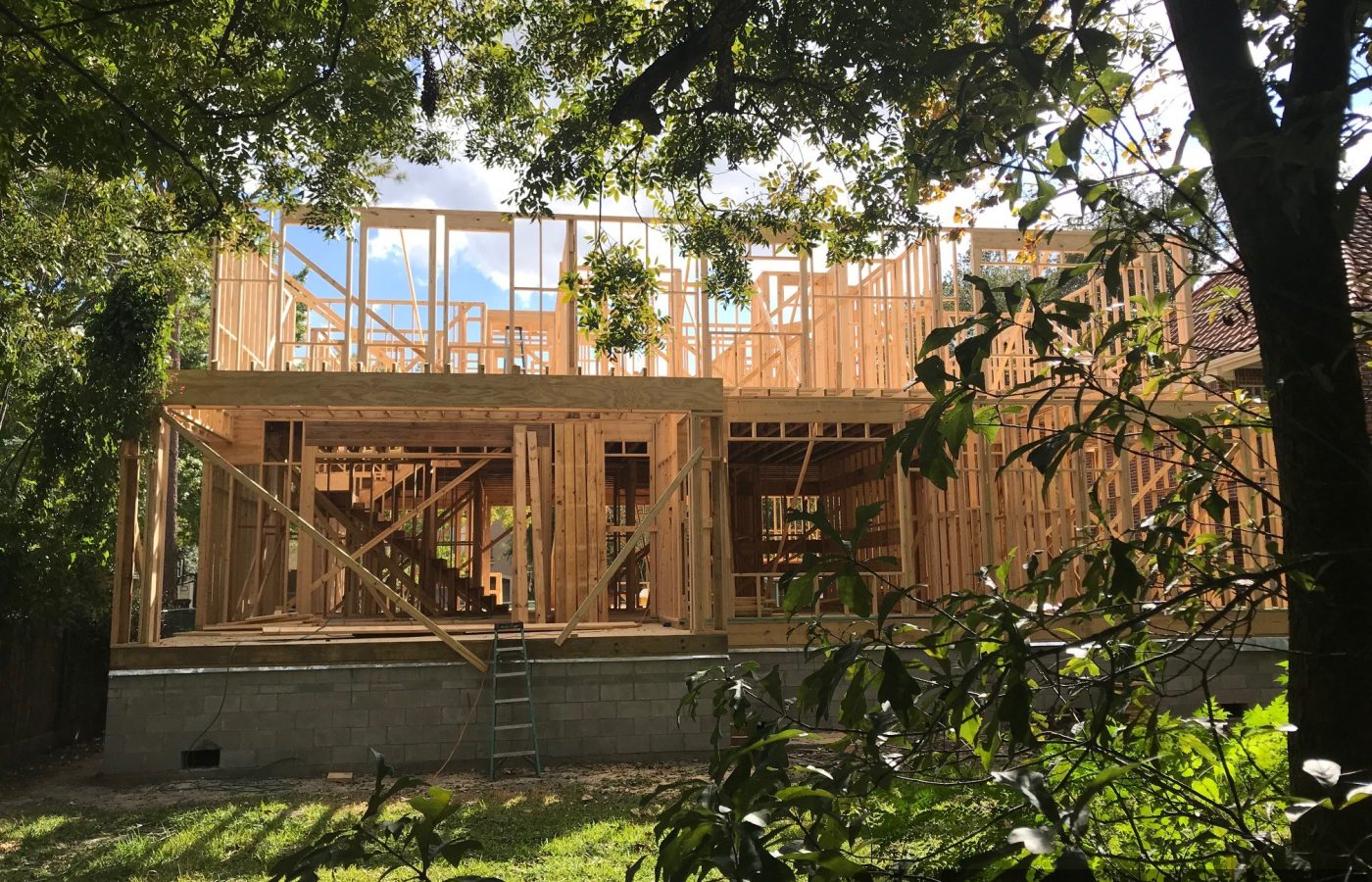
A critical constraint on the national housing market remains a persistent shortage of inventory. Johnson and other analysts have warned for years that homebuilding has not kept pace with demand. Some builders, still cautious after heavy losses in the last housing crash, have been slow to ramp up production. As a result, the shortage of available homes will not be resolved quickly; Johnson estimates it will take two to three years for construction to materially close the gap, even if activity increases.
Builders may expand production modestly in response to higher prices, but a rapid surge in new construction is unlikely. Therefore, inventory is expected to remain low relative to buyer demand in the near term.
Inflation also figures into Johnson’s outlook for 2022. Rising prices for fuels, groceries and construction materials increase costs for consumers and builders alike. Inflationary pressures, coupled with the ebbing of federal pandemic relief funds, could push mortgage rates higher. Higher borrowing costs would cool housing demand and slow price appreciation.
To help buyers, sellers, brokers and policymakers better understand local market conditions, Johnson and colleague Eli Beracha of Florida International University are developing a statistical model that assesses whether average properties in a metro area are selling above, at, or below their expected values based on historical trends. Their work examines the 100 largest U.S. metros monthly, using publicly available real estate data to compare modeled expected prices with actual sale prices. The model aims to identify where prices are trading at a premium or discount relative to long-term patterns.
Oct. 25, 2021 Realty News Report Copyright 2021
For more about Texas real estate, check out the book Houston 2020: America’s Boom Town – An Extreme Close Up by Ralph Bivins. Available on Amazon.
File: Home Price Surge Will Slow Down
Feature photo credit: Ralph Bivins, Realty News Report Copyright 2021