HOUSTON – By Cynthia Lescalleet – (Realty News Report) — People are increasingly the central design element in today’s built environment. From hospitality and health care to offices, airports, retail, housing and recreational spaces, the needs and behaviors of people are reshaping how cities and buildings are planned and programmed.
As cities rethink their future form and function, planners and designers are placing greater emphasis on the “human experience.” Gensler’s Design Forecast 2022 — Resilient Design Strategies for the Human Experience highlights an accelerating set of trends and practical design strategies aimed at creating vibrant, resilient, equitable and people-centered places.

According to Dean Strombom, principal and strategy leader at Gensler Houston, the old mindset of “build it and they will come” is being replaced by a deliberate focus on creating energizing places where people want to spend time. That shift has implications for employers, developers and public agencies who now compete to attract people back to downtowns, campuses and neighborhood centers after pandemic-driven changes to work and daily life.
Gensler’s Research Institute collected insights from projects and practitioners around the world to identify design responses that support healthier, more adaptive and more inclusive environments. The forecast emphasizes that urban cores should become more convenient, inclusive, resilient and healthy while remaining affordable and accessible to a diverse population.
Shaping Cities and the Human Experience
Gensler’s forecast outlines several strategies for shaping cities and urban design with the human experience at the center. Key approaches include:
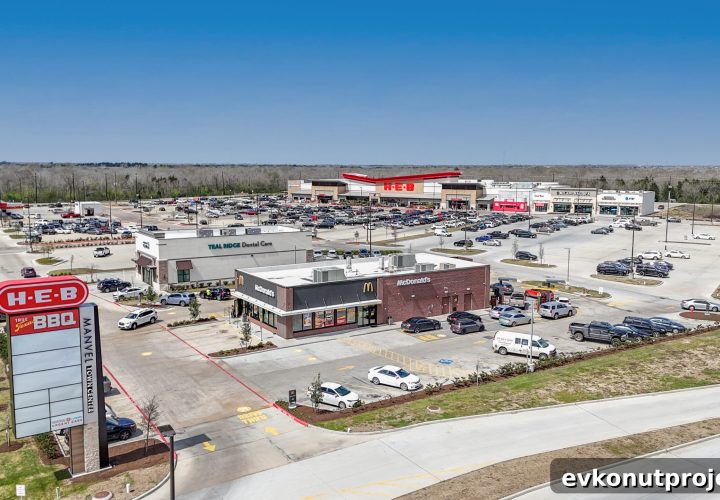
- Reduce sprawl by directing growth toward compact, walkable centers that concentrate services, housing and jobs.
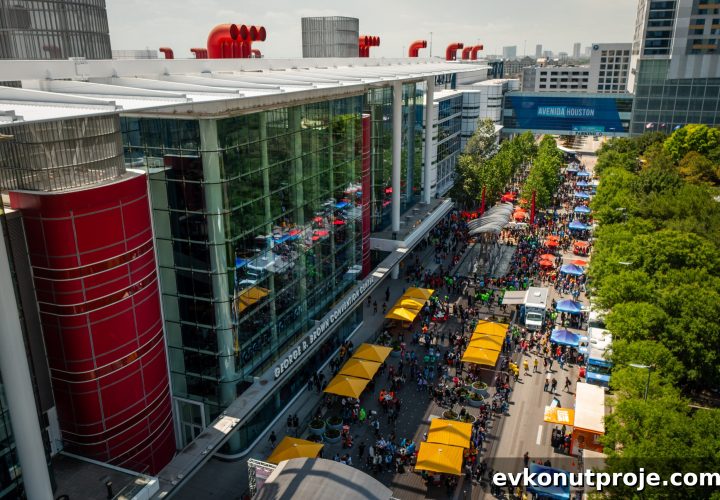
- Expand pedestrian-oriented spaces and strengthen connections between public plazas, parks and privately owned public spaces to form continuous civic networks.
- Embrace mobility innovations—such as e-scooters, e-bikes and electric vehicles—to broaden transportation choices and enable repurposing of parking and circulation space for health, recreation and community uses.
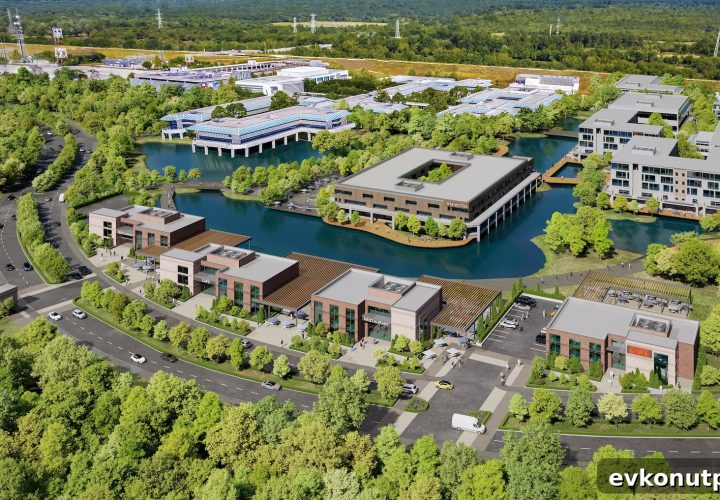
- Balance engineered urban systems with the needs and capacity of natural systems, integrating green infrastructure, native planting and urban trees to support biodiversity and climate resilience.
- Adopt regenerative approaches to address climate change, pollution and resource depletion through conservation, waste repurposing and systems that restore ecological value.
- Invest in arts and culture, promote equity and diversity, and celebrate the unique cultural and historical DNA of each city to reinforce a sense of place.
- Enable the 20-minute neighborhood concept, where essential services—jobs, transit, schools, shops and parks—are accessible within a short walk or bike ride, supporting social cohesion and equitable access.
- Adopt a mixed-use mindset by creating environments that combine at least three functions—work, live, play, stay, shop—and by designing for a broad mix of incomes, ages and household types.
These strategies aim to create places that support everyday needs while remaining adaptable to future changes. Mixed-use development, in particular, is highlighted as a way to keep urban areas active throughout the day and evening, improving economic vibrancy and public safety while offering more options for housing, services and employment.
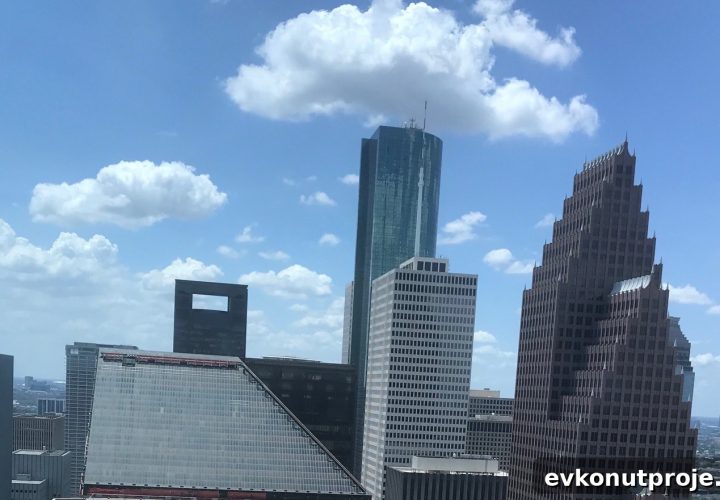
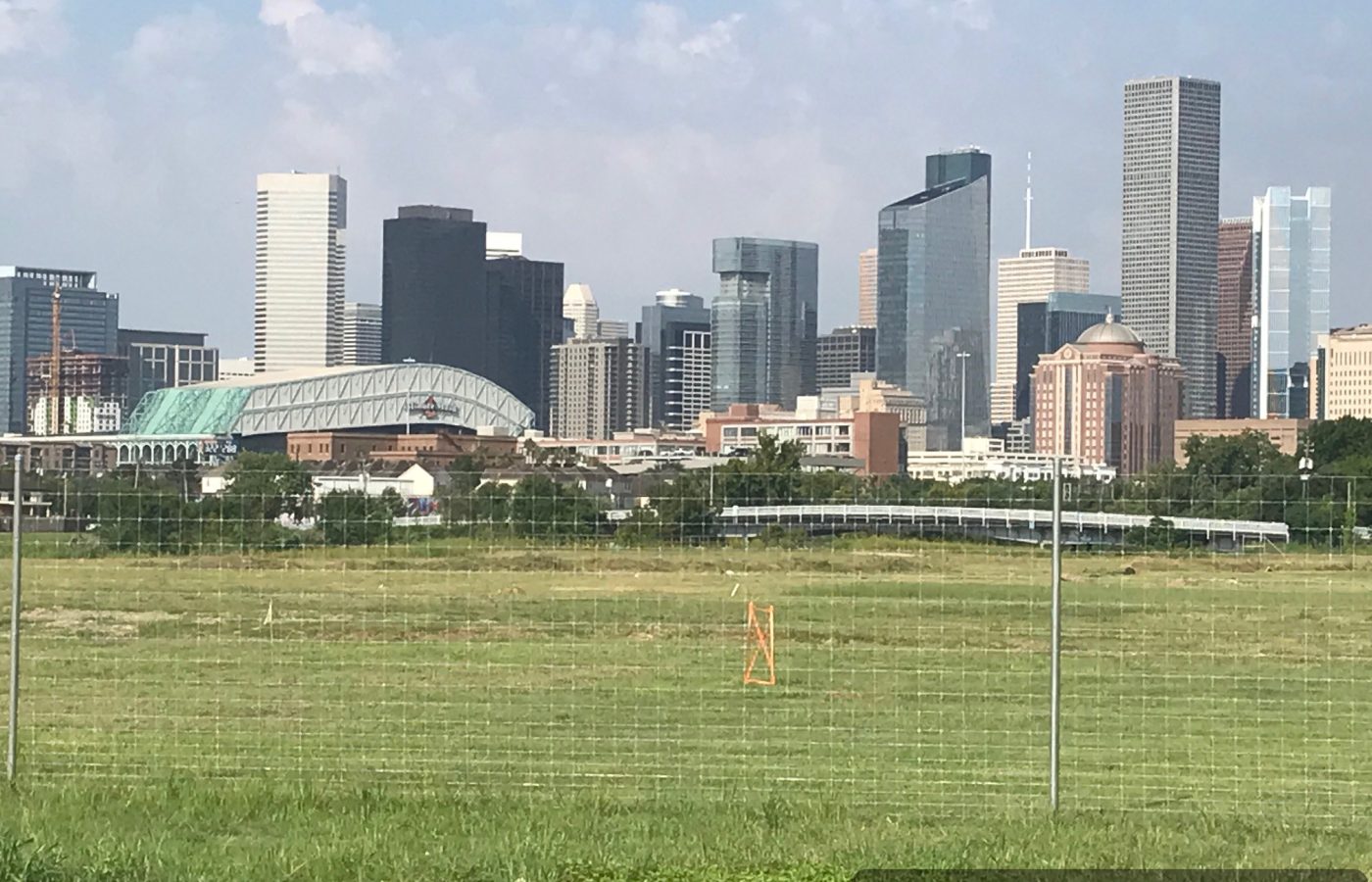
In Houston, several projects reflect elements of this approach, though Strombom notes that they are often implemented in discrete pockets rather than as part of larger, connected districts. Examples cited include Brookfield Properties’ Houston Center and Allen Center, both of which have been refreshed to promote more animated public life through outdoor programming and interior updates. The POST Houston redevelopment, which transforms the Barbara Jordan Post Office, is another example of large-scale adaptive reuse that blends multiple uses and reimagines a civic building for contemporary urban life.
For cities seeking to strengthen resilience and livability, the forecast underlines the importance of human-centered design: prioritizing accessibility, health, social connection and environmental stewardship. Practical outcomes include transforming underused infrastructure into community assets, expanding public realm opportunities, and ensuring that growth supports affordability and inclusion.
Feb. 4, 2022 Realty News Report Copyright 2022.
Photo credit: Ralph Bivins, Realty News Report. Copyright 2022
File: Gensler’s Design Forecast 2022