Is Houston Ready for the Next One?
Four years after Hurricane Harvey, Houston still faces a pivotal moment. Harvey’s unprecedented rainfall flooded 150,000 homes and prompted voters to approve $2.5 billion for drainage and flood-control projects. Some work has been completed, but much remains on a critical to-do list as storms grow more intense.
“We’re doing it as quickly as possible,” Harris County Judge Lina Hidalgo said last hurricane season. “And these storms keep coming.”
HOUSTON – By Ralph Bivins, Editor of Realty News Report. (An excerpt from “Houston 2020: America’s Boom Town.” Copyright 2018 Fifth Estate Media.)
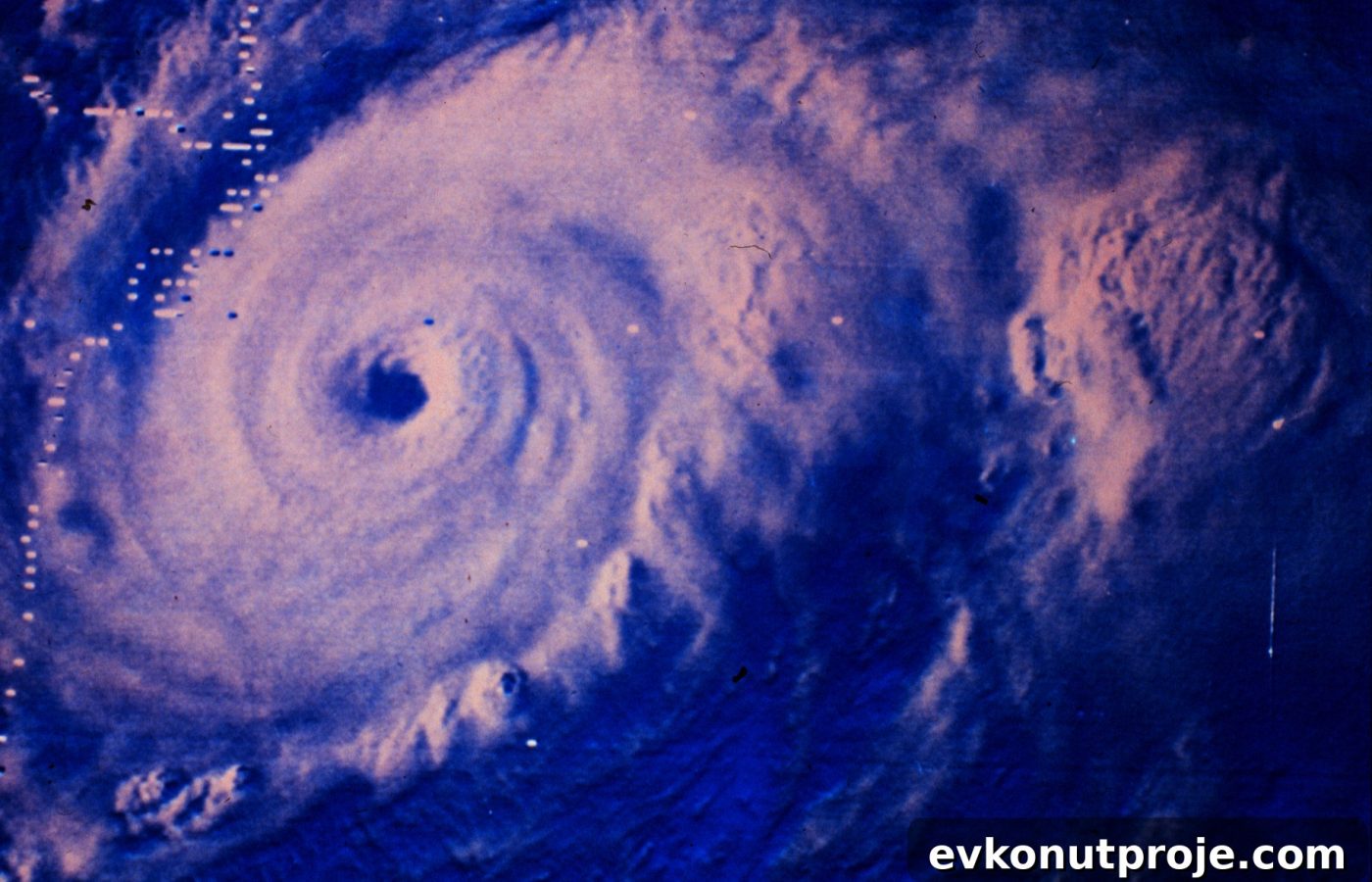
Hurricane Harvey was not remembered for extreme winds so much as for the sheer volume of rain it delivered. Beginning as routine showers, the storm intensified into a deluge that overwhelmed Houston’s infrastructure and reshaped the city’s thinking about flood risk.
Over the last week of August 2017, Harvey dropped more than forty inches of rain across much of the region in a roughly four-day span, with some locations reporting totals above fifty inches. Scientists estimated the volume of water measured in trillions of gallons — an unprecedented event in the modern record. The National Hurricane Center described Harvey as the most significant tropical cyclone rainfall event since reliable records began in the late 19th century.
The human and economic toll was severe. The storm directly claimed dozens of lives, and indirectly contributed to more. NOAA estimated roughly $125 billion in damages, and media reports noted widespread destruction of homes, businesses, and vehicles across the region.
Yet amid the destruction, images of neighbors helping neighbors remain the most lasting. Local volunteers and travelers with trucks and boats converged on flooded neighborhoods to rescue residents, and Houston’s resilient community spirit was widely praised.
The People of Houston Respond with Fortitude – Mayor Bill White
“The city and the people of the area responded to Harvey with fortitude and resilience,” said Bill White, Houston’s sixtieth mayor. “It was neighbor helping neighbor — a pattern folks here have shown during other storms.”
In the months following Harvey, city and regional leaders adopted a new sense of urgency. A reputation for frequent flooding can deter growth, investment, and relocation. Addressing the problem became both a public-safety and economic imperative.
Environmental advocates point to continued development west of Houston as a contributing factor. As fields and prairies are replaced by streets, roofs, and parking lots, less rainwater soaks into the ground and more runs off into a network of bayous and channels. The Katy Prairie, once a natural sponge for rainfall, now sheds large quantities of water into the city’s drainage system. Without timely solutions, homeowners and the broader economy remain vulnerable.
At the Crossroads of Houston’s Economy
“We’re at a crossroads for the future of Houston economically,” said Jim Blackburn, professor of environmental law at Rice University and co-director of the SSPEED Center. “We must rethink our approach to flooding.”
Blackburn and other experts argue that “flood management” is a more accurate goal than simple “flood control.” Houston must learn to integrate water into its planning rather than treat water as an enemy to be pushed away. That includes preserving and restoring land that can hold water, buying out homes in chronically flooded areas, and dedicating those sites to detention and natural retention to reduce downstream impacts.
Harris County voters approved a $2.5 billion bond measure in August 2018 to upgrade the region’s flood protection. The plan allocates hundreds of millions of dollars to channel improvements, detention basins, floodplain land acquisition, updated flood mapping, and improved early warning systems. These investments aim to reduce future risk, but completing large-scale projects takes time, resources, and political will.
The EPA: Texas Warmed About 1 Degree in Last Century
Federal and state reports highlight that climate change is already affecting Texas. Average temperatures across much of the state have risen by about half to one degree Fahrenheit over the last century. Rainstorms have become more intense in many areas, and sea-level rise is accelerating along the coast, increasing the vulnerability of low-lying communities.
Rising seas and more powerful storms together threaten coastal erosion, wetland loss, and increased storm surge risk. Engineers and planners continue to study long-term defenses such as gates, seawalls, and dikes, but designing and building such systems can take decades and must be tailored to local geographies and ecosystems.
Harvey’s path helps illustrate the scale of the challenge. The storm formed over the Atlantic and strengthened into a major hurricane before making landfall in Texas. It then stalled, dumping record rainfall across a vast area. The highest recorded storm total exceeded 60 inches in parts of Southeast Texas, and many communities received well over four feet of rain. In Houston, short-term rainfall rates overloaded drainage capacity, causing bayous and creeks to rise rapidly and inundate neighborhoods. Houston’s flat landscape and clay soils retain water poorly compared with sandy soils, making heavy rainfall especially difficult to absorb.
Blackburn warns that the city must adapt to a future with increasing flood risk. That means strategic buyouts, land dedication for water management, stronger planning standards for new development, and a regional commitment to resilient infrastructure. Without those changes, the city’s appeal to new residents and businesses could be eroded by a growing perception of risk.
An excerpt from Houston 2020 – America’s Boom Town – An Extreme Close Up. Author: Ralph Bivins. Copyright 2018 Ralph Bivins through Fifth Estate Media.
Aug. 23, 2021 Realty News Report Copyright 2021
For more about Texas real estate, see the book Houston 2020: America’s Boom Town – An Extreme Close Up by Ralph Bivins. Ebook and print editions are available commercially.
File: Four Years After Hurricane Harvey – Aug. 25-29, 2017
File: August heat and the hurricane season.
Image: Courtesy NOAA