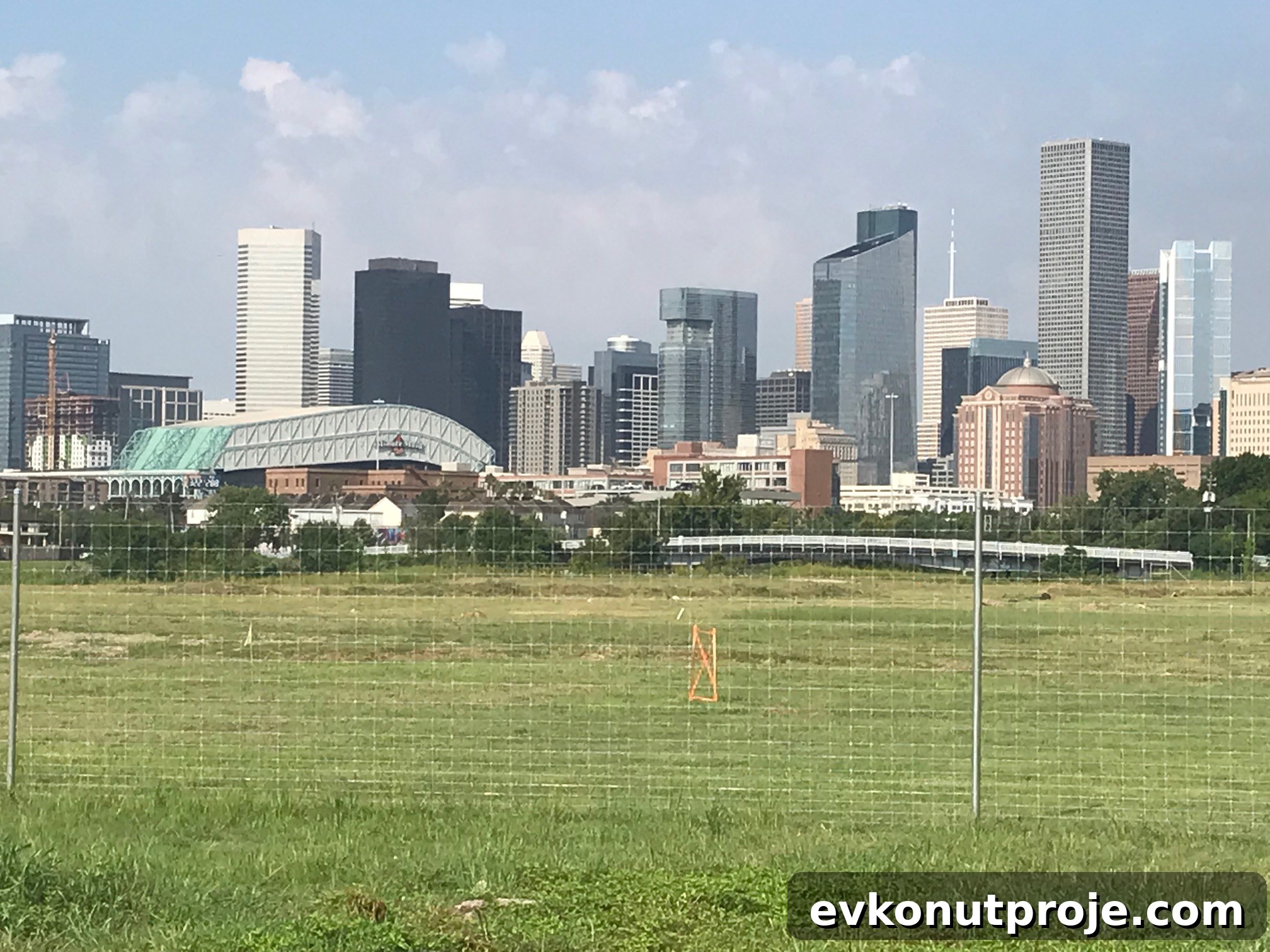
HOUSTON – By Cynthia Lescalleet – (Realty News Report) — People are a powerful design element in today’s built environment, shaping projects across hospitality, healthcare, offices, airports, retail, residential and recreational spaces.
As cities rethink their future forms and functions, designers and planners are increasingly prioritizing the “human experience.” Gensler’s Design Forecast 2022 — Resilient Design Strategies for the Human Experience examines this shift. The report highlights accelerating trends and practical strategies that center people to create more vibrant, inclusive and resilient places.

“Build it and they will come” is no longer a reliable approach, says Dean Strombom, principal and strategy leader at Gensler Houston. Instead, designers are focused on energizing space and creating experiences that draw people in.
For cities, that means broadening the definition of community beyond the walls of office towers. The rise of remote work and hybrid schedules accelerated by the pandemic makes attracting, engaging and retaining talent a key design challenge.
Gensler’s Research Institute informed the report by surveying projects and design approaches from around the world. When applied to urban design, the forecast advocates for downtowns and neighborhoods that are convenient, inclusive, resilient, healthy — and affordable.
Shaping Cities and the Human Experience
Gensler’s urban strategies encourage holistic approaches that balance built and natural systems and prioritize people. Core recommendations include:
- Reduce sprawl to concentrate resources, services and amenities.
- Expand pedestrian-oriented spaces and better connect public plazas and parks with privately owned public spaces (POPS).
- Embrace mobility innovations such as e-scooters, e-bikes and electric vehicles, which can also make it possible to repurpose parking facilities for health, recreation and wellness uses.
- Balance engineered urban systems with the capacity and benefits of natural systems to improve livability and resilience.
- Act regeneratively to address climate change, pollution and resource depletion by implementing green infrastructure, conservation practices, biodiversity measures and waste repurposing.
- Invest in arts and culture, advance equity and diversity, and celebrate the local identity that gives each city its distinct character.
- Enable the 20-minute neighborhood by ensuring residents can access essential services, jobs, transit and green space within a short walk or cycle ride, supporting social cohesion and equitable access.
- Adopt a mixed-use mindset that intentionally combines three or more functions—work, live, play, stay, shop—while supporting diverse incomes and multiple generations.
In Houston, several mixed-use developments illustrate these strategies, though many are concentrated in isolated pockets rather than forming continuous, connected districts, Strombom notes. Examples include Brookfield Properties’ Houston Center and Allen Center, both refreshed to create livelier, more inviting environments with new outdoor elements and interior transformations. POST Houston, the adaptive reuse of the Barbara Jordan Post Office, is another large-scale example that blends uses and preserves historic fabric.
Designing with the human experience in mind means creating places that not only meet functional needs but also nourish community, equity and wellbeing. By weaving together mobility, nature, culture and mixed uses, cities can become more resilient and more attractive places for people to live, work and gather.
Feb. 4, 2022 Realty News Report Copyright 2022.
Photo credit: Ralph Bivins, Realty News Report. Copyright 2022
File: Gensler’s Design Forecast 2022