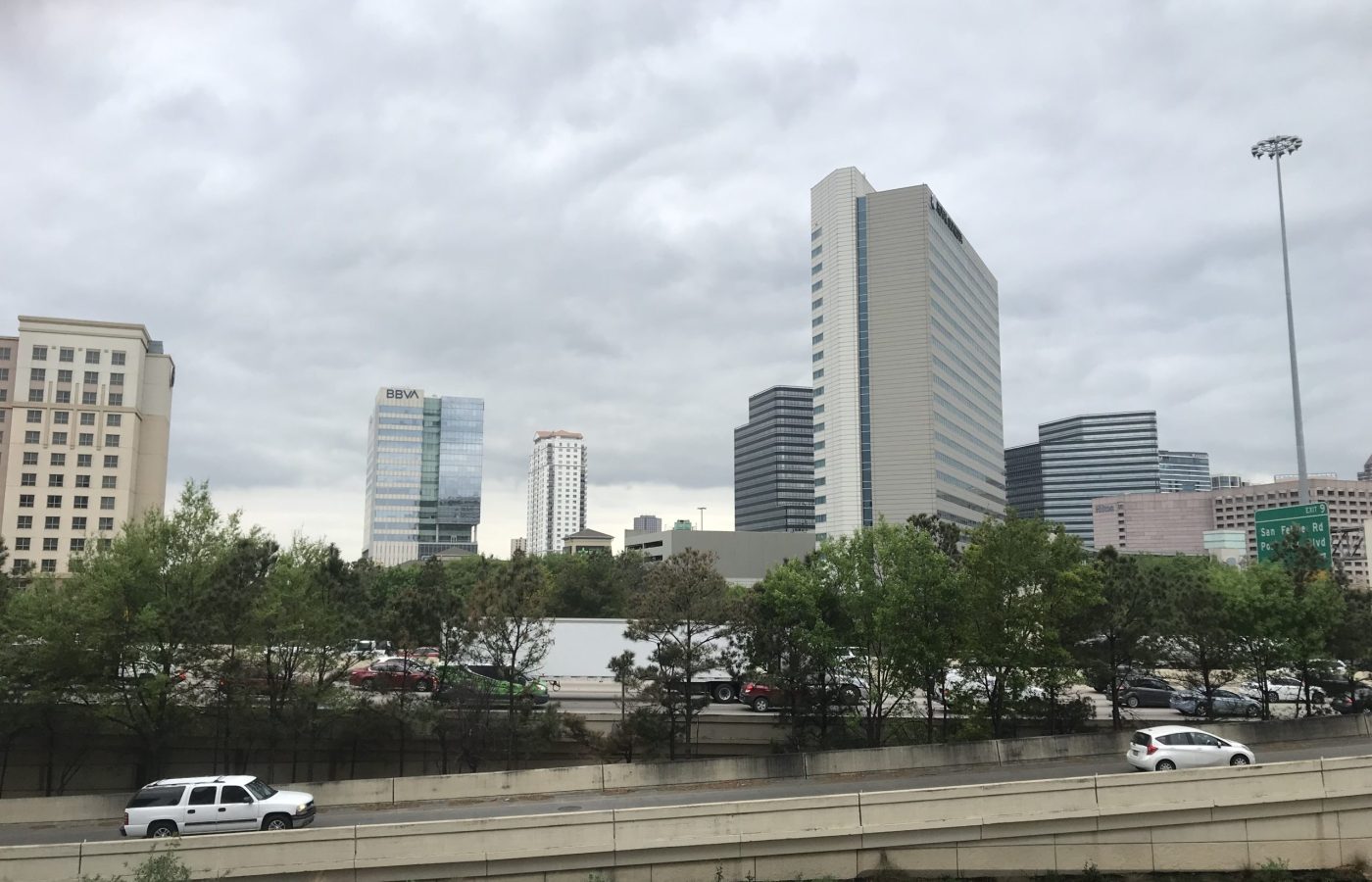
Houston Leads Nation in Office Vacancy as COVID-19 and Oil Slump Affect Space City’s Market
HOUSTON – (Realty News Report) – Houston, long nicknamed “Space City” for its NASA connections, currently has the highest office vacancy rate in the United States. In February, Houston’s overall office vacancy stood at 23.5 percent, significantly higher than the national average of about 15 percent, according to a recent Yardi Systems CommercialEdge report.
The city’s office market faces a combination of pandemic-driven shifts and energy-sector pressures. Corporations across the country reduced or rethought their physical footprints during the COVID-19 pandemic as large numbers of employees began working from home. That transition prompted many tenants to delay, downsize, or cancel previously planned leasing commitments.
Houston has been hit especially hard because of its concentration in the energy industry. As oil and gas firms retrenched, widespread layoffs followed and many companies placed excess office space on the sublease market. The energy downturn produced by the pandemic-era demand collapse—and the memorable market shock when oil briefly traded at negative prices—compounded vacancy pressures that were already building in the city.
Even before the pandemic, corporate consolidation created large blocks of empty space. Major mergers and acquisitions, including the acquisition of Anadarko by Occidental Petroleum, resulted in significant office redundancies and vacancies. Today, the combination of these structural changes and new behavioral norms has pushed Houston’s vacancy rate to levels not seen in decades.
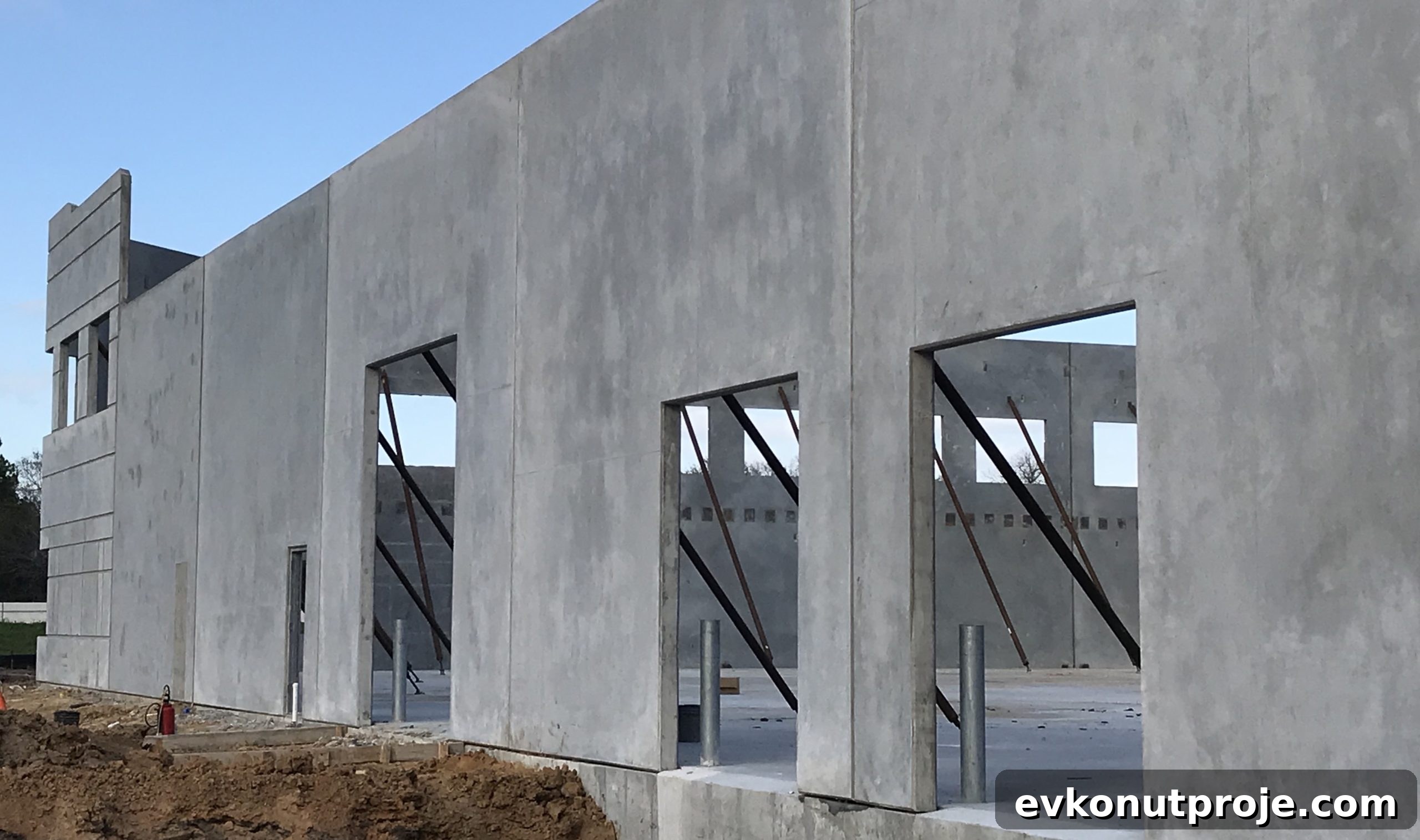
Adding to the challenge, Houston currently has roughly 4 million square feet of new Class AA office space under construction. That incoming supply increases competition among landlords and can prolong the recovery period for existing properties, particularly if demand for traditional downtown office space remains muted.
“Houston’s office market was struggling amid a glut of available space even before the outbreak of the deadly COVID-19 coronavirus,” said Wade Bowlin, president of property services, central division, at Madison Marquette. “Even though many companies have been able to quickly adapt by taking their workforce remotely and encounter little disruption to their everyday operations, this doesn’t mean this physical workplace shift won’t eventually be felt in the office market in the long term as companies either reduce or expand their footprints.”
The Yardi report places Dallas as the second-highest vacancy market in February at 19 percent, followed by other metro areas including Atlanta, Phoenix, New Jersey and Nashville. Across these markets, landlords, brokers and institutional investors are closely tracking tenant behavior to anticipate how much workplace demand will return and which spaces will remain surplus for an extended period.
There are signs the market may gradually stabilize as pandemic restrictions ease. Many business leaders and real estate professionals expect a return to office activity, but likely in a different form than before—one characterized by hybrid schedules that blend remote work with in-office collaboration. This evolution could shift demand toward flexible, amenity-rich spaces that support collaboration, training, and culture-building.
Jonathan Brinsden, chair of ULI of the Americas and CEO of Houston-based developer Midway, emphasized the limitations of full-time remote work for certain aspects of corporate life. He told a gathering of industry editors and professionals that mentoring younger staff, onboarding new hires, and embedding employees within a company’s culture are difficult to replicate in fully remote environments. “A consensus is beginning to form among tenants and institutional partners. More and more companies feel that working from home, with no one in the office, is a detriment,” said Brinsden.
For Houston landlords and local officials, the twin challenges of pandemic-driven behavioral change and a weakened energy sector mean that recovery will require both time and adaptation. Building owners may need to repurpose space, negotiate flexible lease terms, or invest in amenities and technology that support hybrid work patterns. Tenants, meanwhile, are weighing how much physical space they need to preserve organizational culture and productivity while controlling costs.
As the city and market adapt to new realities, observers say that targeted efforts—such as converting obsolete office space to alternative uses, improving building efficiency, and creating environments that encourage in-person collaboration—could help balance the market over the coming years. Nonetheless, the immediate picture remains challenging, with vacancy at its highest levels in decades for Houston.
April 5, 2021 Realty News Report Copyright 2021
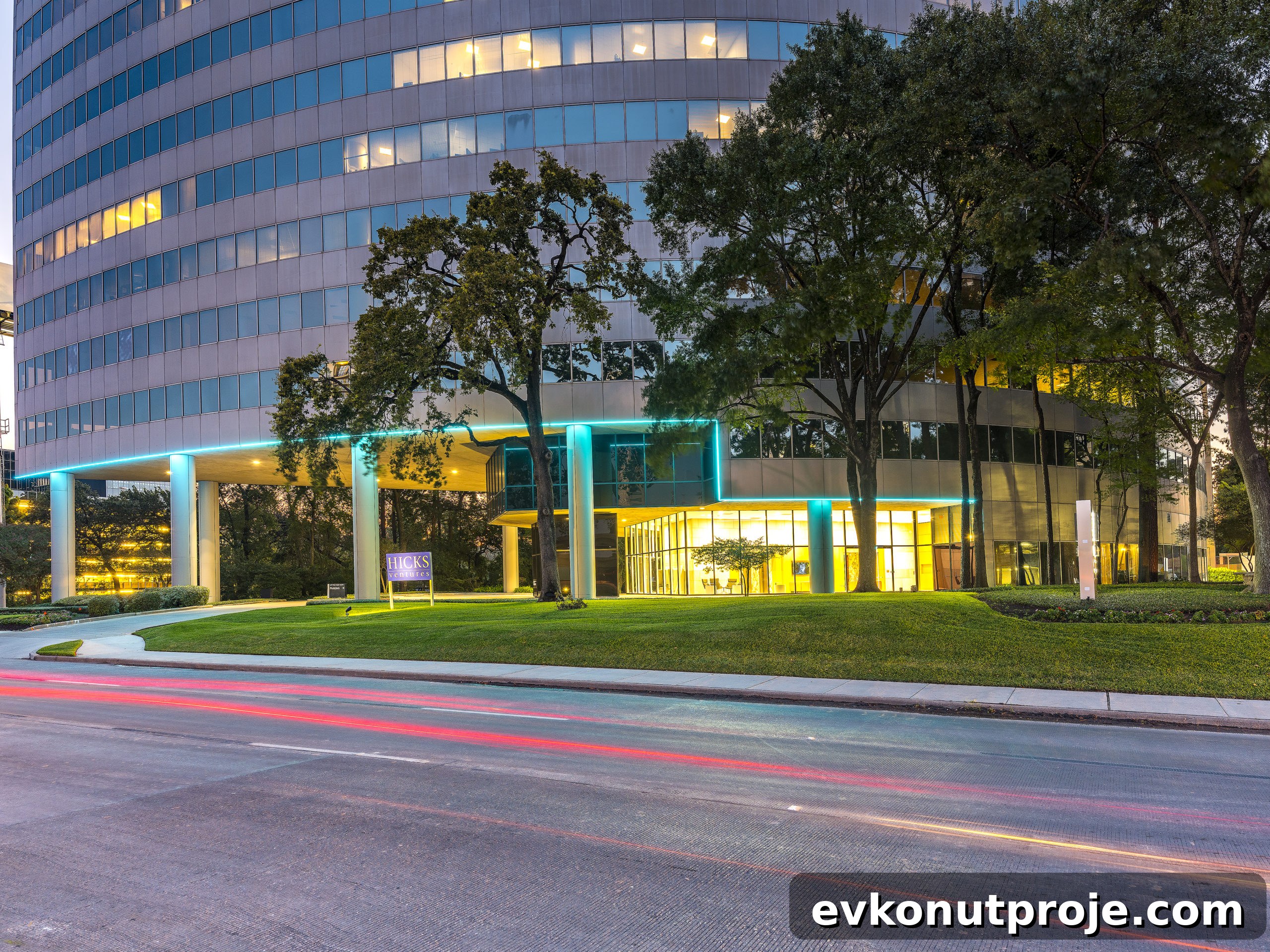
Caption: Photo credit: Ralph Bivins for Realty News Report Copyright 2021
File: Houston Vacancy Leads Nation – COVID-19 and oil market pressures have reshaped Space City’s office landscape.
For more about Houston development, see the book Houston 2020: America’s Boom Town – An Extreme Close Up by Ralph Bivins. Available from common book retailers.
File: Houston Vacancy Leads Nation with 23.5 percent rate. Source: Yardi Systems CommercialEdge, Midway, Madison Marquette.