HOUSTON – (By Dale King, Realty News Report) – For many Houstonians, the start of hurricane season brings back difficult memories. Nearly four years after Hurricane Harvey battered Houston with catastrophic flooding, property damage and loss of life, the 2021 Atlantic hurricane season officially begins and prompts renewed concern across Gulf and Atlantic coast communities.
The National Oceanic and Atmospheric Administration (NOAA) expects an active season, projecting 13 to 20 named storms, six to 10 hurricanes and three to five major hurricanes (Category 3 or higher). After a record 30 named storms affected the United States during the 2020 season, communities remain vigilant.
CoreLogic, a data and analytics firm that helps manage growth and assess risk, has published its seasonal storm analysis for 2021. The report highlights the potential exposure of single-family and multifamily properties to hurricane-driven wind and storm surge, and emphasizes the importance of using data to protect homes, families and businesses.
31 Million Homes at Risk from Hurricanes
CoreLogic estimates that nearly 8 million homes nationwide are potentially at risk from hurricane storm surge. In addition, more than 31 million homes face moderate to extreme risk from hurricane-force winds. The report identifies regional hotspots where large numbers of properties could be affected during an active season—Houston is among those highlighted.
The timing of the release resonates in Houston, where memories of the 2017 storm remain vivid. Category 4 Hurricane Harvey made landfall on Aug. 25, 2017, producing extreme rainfall and catastrophic flooding. The storm caused immense damage, significant displacement of residents, and a heavy human toll, underscoring the long-term consequences hurricanes can have on communities and housing markets.
CoreLogic’s analysis lists the metropolitan areas most vulnerable to storm surge and wind damage—threats that combine to drive much of the destruction associated with tropical systems. Scientific research and historical storms show that storm surge is often the deadliest component of hurricanes. For example, surges overwhelmed parts of New Orleans during Katrina and inundated portions of the New York and New Jersey coast during Sandy. Harvey’s flooding highlighted how intense rainfall, swollen rivers and coastal surge can come together to worsen outcomes in some locations.
Meteorologists describe these combined effects as compound flooding: heavy rain pushes rivers and streams toward the coast just as a storm surge moves inland, and where the two meet water levels can rise dramatically. Local topography and elevation determine how severe flooding becomes in specific neighborhoods—explaining why surge and flood depths vary so widely across a metropolitan region.
Houston Ranks No. 8
In CoreLogic’s metro rankings, Houston appears at No. 8 among the top 15 metropolitan areas with thousands of single-family homes located in storm surge zones. The report estimates that 261,103 single-family dwellings in Houston lie within the storm surge target area, with a combined replacement value of roughly $57 billion. When wind risk is considered, nearly 2 million single-family homes fall inside CoreLogic’s wind damage zone in the Houston metro, with an estimated replacement value just over $492 billion.
Although Houston does not rank among the top metros for multifamily exposure, apartment residents should still exercise caution: many large metros—particularly in New York and Florida—show high concentrations of multifamily dwellings in both storm surge and wind risk zones. The report underscores that these risks are not limited to any single state or region; coastal cities from Florida to New England are represented among the most vulnerable.
CoreLogic’s analysis also addresses the influence of climate change on storm behavior and long-term risk. The firm notes that rising sea levels, more intense rainfall events and potential increases in hurricane intensity are reshaping exposure for coastal and low-lying areas, and that risk in these hurricane-prone regions is likely to grow unless communities adapt.
Long-term data from NOAA’s National Centers for Environmental Information indicate that inflation-adjusted losses from weather events in the United States have increased substantially in recent decades. CoreLogic points out that this trend—driven by both more severe weather and growing development in exposed areas—has significant economic implications for homeowners, insurers and local economies.
The economic effects of hurricanes extend beyond immediate physical damage. CoreLogic highlights how Harvey disrupted Houston’s housing market and household finances: mortgage delinquency rates in the Houston area rose sharply in the months after the storm, and housing inventory remained depressed for months following the event. Such impacts illustrate how disasters can ripple through regional economies long after floodwaters recede.
- In August 2017, Houston’s mortgage delinquency rate was about 6.2%; by October it rose to roughly 10.9%—an increase of 4.7 percentage points.
- Five months after Harvey, Houston’s available housing inventory had declined by approximately 23% compared with pre-storm levels.
CoreLogic cautions that population shifts—where people move from higher-cost inland markets to more affordable coastal communities—can increase exposure to storm risk. Many affordable coastal areas are low-lying and hurricane-prone, making them particularly sensitive to sea-level rise, extreme rainfall and changes in storm intensity.
The report concludes that preparedness and risk awareness are critical to reducing harm. Understanding property-level risk supports faster recovery and strengthens resilience. For stakeholders across the housing ecosystem—insurers, lenders, developers and homeowners—shifting emphasis from loss adjudication toward prevention, mitigation and data-driven solutions will be essential.
“By leveraging data, stakeholders can improve risk management and help customers reduce exposure,” CoreLogic observes. “Supporting community resilience goals and understanding the risks faced by residents are key steps to mitigating the effects of hurricanes and other natural disasters.”
June 1, 2021 Realty News Report Copyright 2021
For more about Texas development, see the book Houston 2020: America’s Boom Town – An Extreme Close Up by Ralph Bivins. Available on major book retailers.
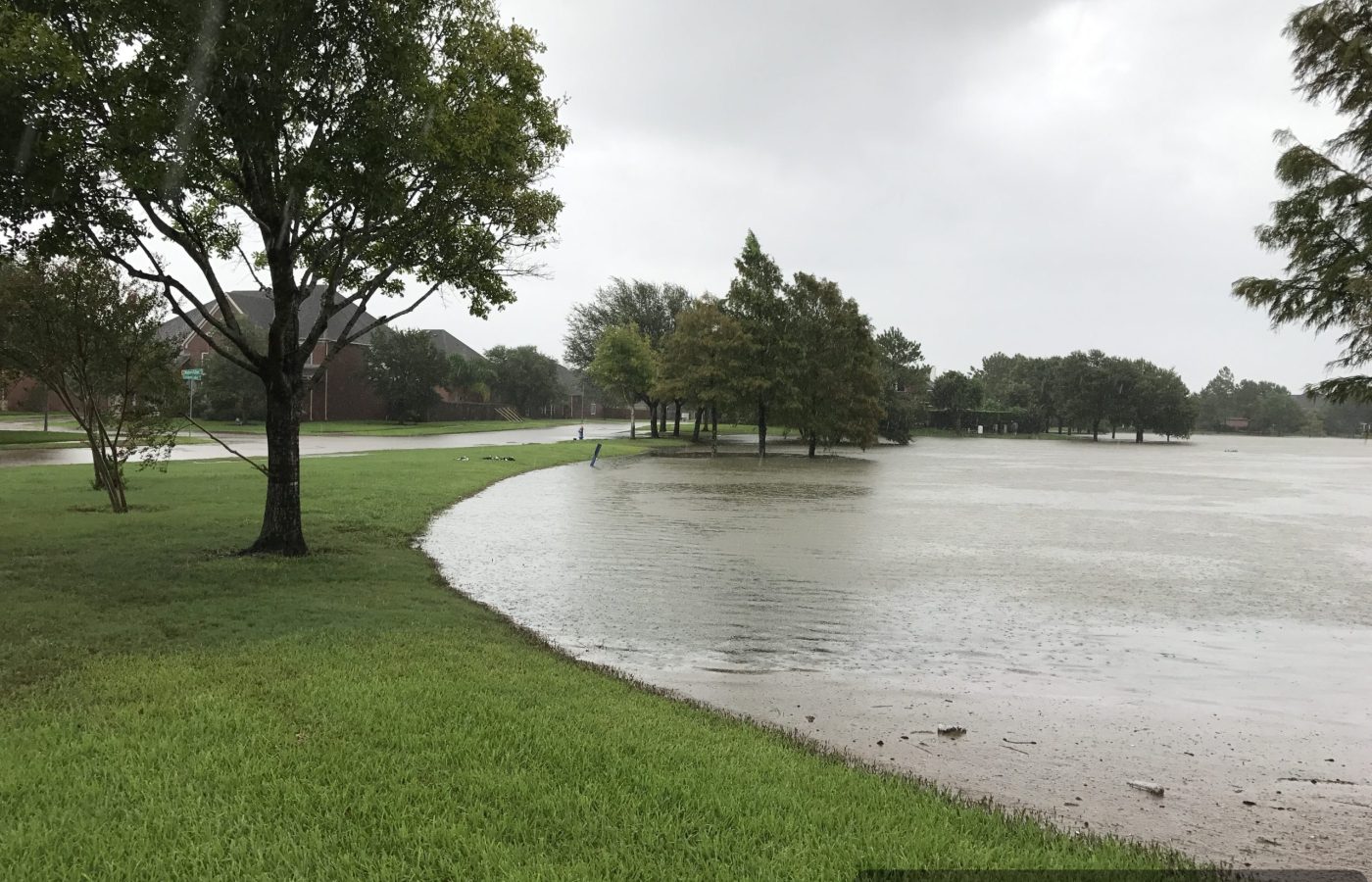
Copyright Photo Caption: Hurricane Harvey’s rains in 2017 caused massive flooding in Houston. Photo taken Aug. 27, 2017. Photo Credit: Ralph Bivins, Copyright Realty News Report, 2021.
File: Houston Enters Hurricane Season