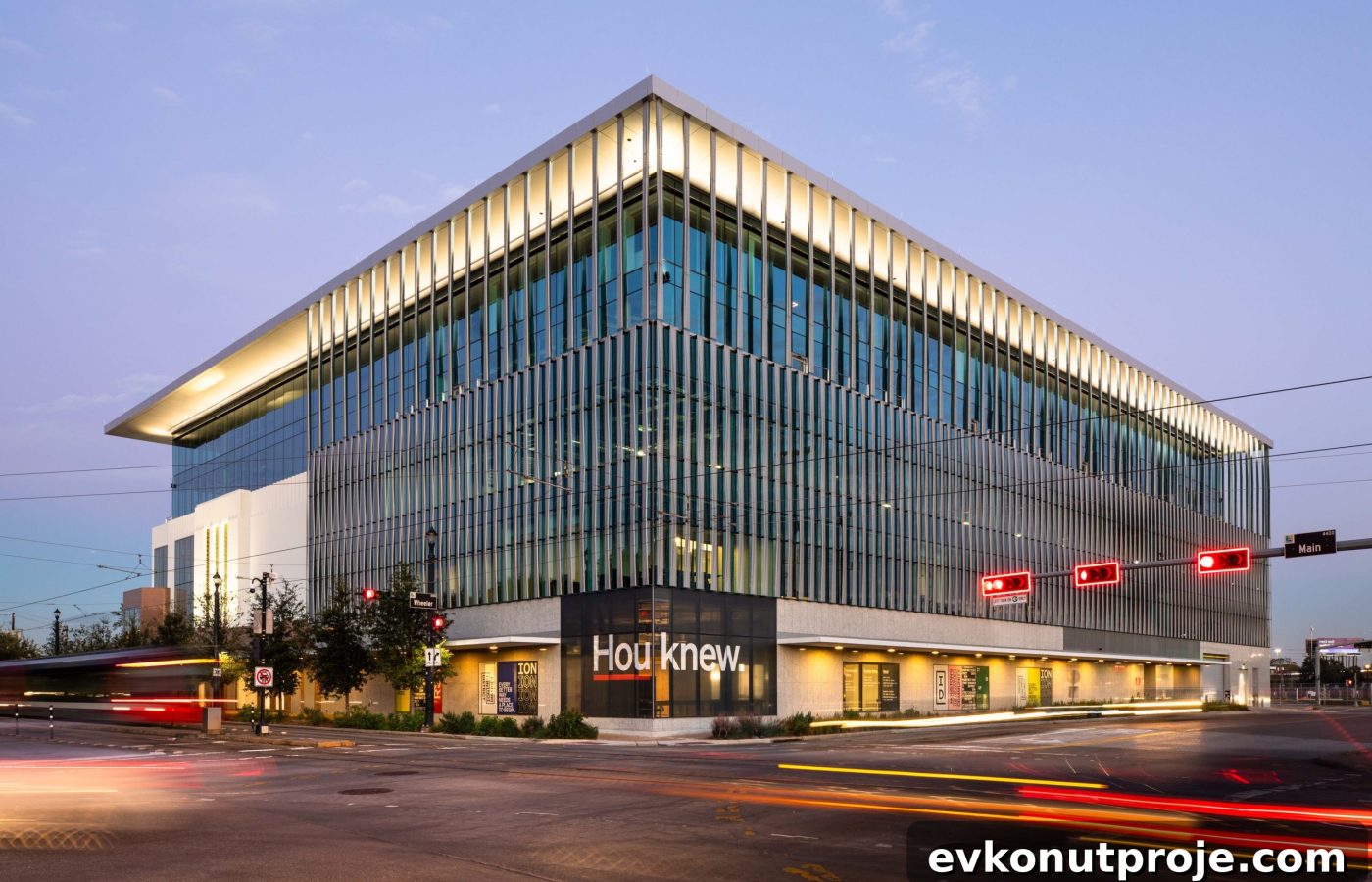
HOUSTON – By Cynthia Lescalleet, for Realty News Report – The Midtown building that now houses The Ion has, in many ways, remained true to its original purpose: serving as a multi-use resource for the community. Once a bustling department store supplying goods to one-stop shoppers, the repurposed property now provides collaborative workspaces, classrooms, maker resources, programming and services that support entrepreneurs, startups and investors.
The Ion’s mission is to connect businesses, educational institutions, incubators, venture capital and the wider community to strengthen Houston’s economic resilience while ensuring those opportunities are inclusive and broadly accessible.
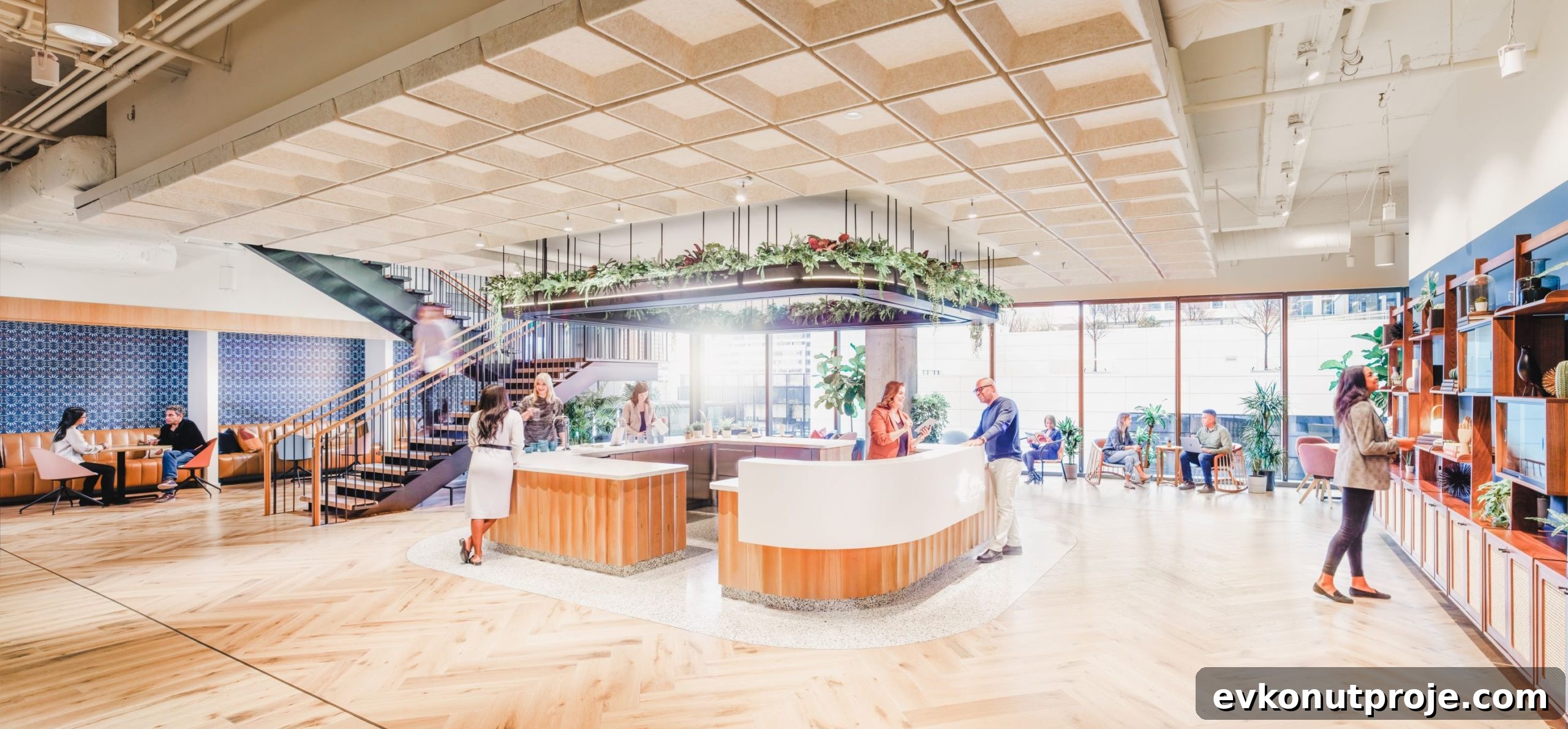
The former Sears building was reimagined and redeveloped by Rice Management Company into a 266,000-square-foot innovation hub that anchors an emerging innovation district across 16 acres of RMC-managed property in Midtown. A multi-level, 1,585-space parking garage with street-level retail is under construction to serve The Ion and three future buildings that are planned to include office space and possibly multifamily units. New outdoor areas will expand on The Ion’s half-acre plaza and open-air public spaces. RMC officials have not announced construction start dates.
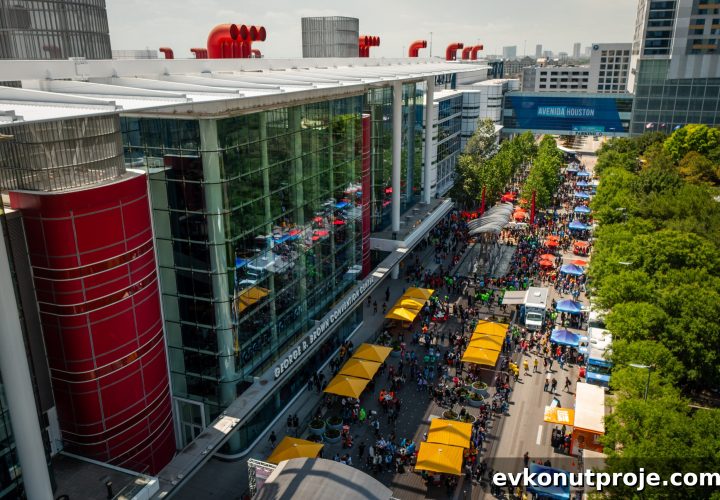
This week, The Ion, located at 4201 Main St. at Wheeler, is hosting an Activation Festival — a public grand opening designed to highlight the hub’s mission, facilities and potential for collaboration.
Ion Panel Discussion: Three Innovation Districts
As part of the festival programming, a panel of leaders from comparable innovation districts shared lessons learned and practical advice for Houston’s growing innovation ecosystem.
Brooklyn Navy Yard
The Brooklyn Navy Yard in New York offers a long-term model of transformation: over two decades it evolved into a 300-acre complex with roughly 70 buildings and about 450 businesses. Johanna Greenbaum, chief development officer for the Brooklyn innovation district, described an ecosystem where manufacturing and creative enterprises reinforce each other and generate new collaborations. The Navy Yard also integrates academic and training programs and operates an employment center that helps place workers whose skills developed alongside employer growth.
Opportunity Hub – Atlanta
In Atlanta, Opportunity Hub has focused on “innovation equity” for the past decade, according to Rodney Sampson, executive chairman and CEO. He emphasized stark disparities in the innovation economy: a tiny share of tech engineers and executives are Black, and less than 1 percent of venture capital flows to Black-founded edge technologies. Sampson argued that creating physical spaces is only one step; meaningful impact requires investment in programs and people.
He urged early exposure to the innovation economy, targeted skill development and talent placement as foundational elements that lead to entrepreneurship, access to capital, job creation and long-term wealth building.
The Ion
Jan Odegard, executive director of The Ion, said the hub is “on to something” and remains open to adopting best practices from other districts. Since reopening the building for in-person use in mid-February, The Ion has hosted around 90 events and programs that drew a diverse cross-section of Houston’s workforce.
“It’s not what we have done but what we want to do,” Odegard said, describing the leadership’s long-term commitment. Rice Management, which manages the Rice University endowment, is developing The Ion.
Current tenants at The Ion include corporate and startup players such as Microsoft, Chevron Technology Ventures, Schlumberger and Dow Chemicals, alongside startups like Liongard and early-stage companies such as Koda Health and Clutch. The surrounding Ion District now hosts Greentown Labs Houston and a newly announced education facility for Theatre Under the Stars. An affiliation with Exxon Mobil has also been announced.
Strategically located between downtown Houston and the Texas Medical Center, The Ion helps define an innovation corridor along the MetroRail line on Main Street.
Panelists noted that innovation centers and districts are not cookie-cutter projects: each city’s economic base and culture influence how its innovation ecosystem develops. Odegard highlighted Houston’s strengths in heavy industry and medicine, suggesting innovators will continue to shape those industry assets into new forms of economic activity.
While The Ion builds partnerships and programs, the Activation Festival invites the public to tour the space, meet startups, attend events and reflect on the building’s past as a department store. For many attendees, the site fuses nostalgia with new possibilities — a place where memories of shopping with family can coexist with the start of tomorrow’s businesses.
May 9, 2022 – Realty News Report. Copyright 2022
Photos: Courtesy The Ion. Photo credit: Shannon O’Hara Photography
File: The Ion Innovation Hub