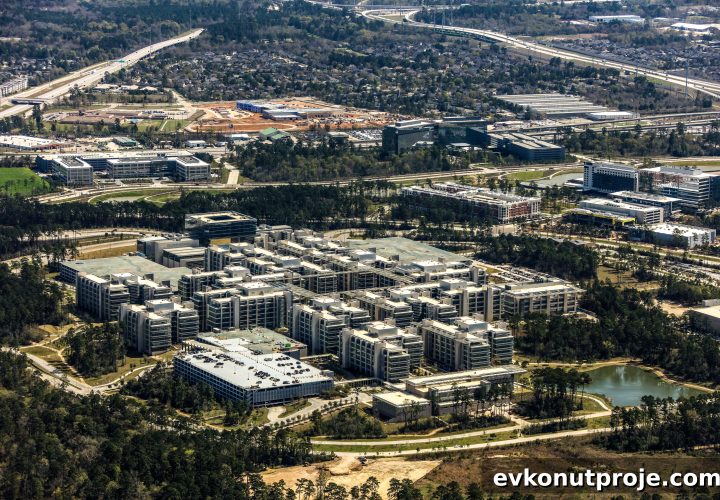
HOUSTON — (Realty News Report) — The Ion, a 266,000-square-foot innovation hub in Midtown Houston, has opened a new prototyping laboratory in partnership with TXRX Labs, a nonprofit organization that provides innovation resources and job training. The Ion Prototyping Lab is intended to bridge practical engineering resources, small-batch manufacturing tools, and hands-on training with entrepreneurs, startups, corporations, and researchers across the region.
Developed by Rice Management Company, affiliated with Rice University, The Ion is a redevelopment of the former art-deco Sears department store at 4201 Main Street. The original store opened in 1939; the site is now part of a 16-acre innovation district owned by the Rice University endowment. The larger campus seeks to concentrate technology, research, and creative enterprises near Houston’s Central Business District and The Texas Medical Center.
The new Ion Prototyping Lab occupies approximately 6,500 square feet and was designed by Gensler’s Houston office. According to Rice Management Company, the facility represents one of the largest open prototyping environments in the city that aligns corporate and startup activity with hands-on fabrication, testing, and early-stage production.
Equipment, Engineering Support, and Capabilities
The lab combines TXRX’s operational model and technical training with The Ion’s innovation ecosystem. Equipment and engineering resources include laser cutters, CNC mills and lathes, electronics assembly stations, and a range of 3D printers for rapid prototyping and small-batch manufacturing. The facility also supports additive manufacturing workflows and basic metal fabrication.
In addition to tools, the prototyping lab provides on-site access to experienced engineers and technicians across several disciplines: industrial design, mechanical and electrical engineering, software integration, additive manufacturing, welding, machining, and laser cutting. That combination of equipment and multidisciplinary expertise aims to shorten development cycles for product-minded teams, enabling concept validation, iteration, and preparation for pilot production.
Workforce Development and Internship Pathways
Officially named “The Ion Prototyping Lab (IPL) powered by TXRX,” the facility emphasizes broad access, technical support, and workforce development. The lab will run internship programs that connect startups and entrepreneurs with emerging engineering talent from local universities. Those internships serve dual purposes: they provide students and recent graduates with practical, project-based experience and give early-stage companies affordable technical assistance and prototyping capacity.
TXRX’s model of hands-on training is designed to foster skill development in fabrication, electronics assembly, and digital manufacturing while also supporting inclusive access to technical resources. The partnership intends to accelerate company formation, support product development for small manufacturers, and strengthen pathways between academic talent and commercial innovation.
“With its close proximity to Houston’s Central Business District and The Texas Medical Center, The Ion is thrilled to provide the Houston tech community the Prototyping Lab operated by TXRX as an essential resource for businesses,” said Jan E. Odegard, Executive Director of The Ion. “The Ion serves as a driver and convener of activity, while TXRX’s successful model of hands-on training and technological innovation is being leveraged to jumpstart the activity of entrepreneurs, corporations, and researchers. You think it, we make it.”
Other tenants at The Ion include Microsoft and coworking operators such as Common Desk, contributing to a diverse mix of corporate partners, startups, and service providers that make up the hub’s collaborative environment.
The Sears Husk
The Ion occupies a repurposed Sears building, reflecting a broader pattern in which former Sears properties are being demolished, redeveloped, or adapted for new uses. Once a dominant American retailer, Sears Holdings filed for Chapter 11 bankruptcy in 2018. By a January 2022 update, only 17 Sears stores remained open in the United States. At its peak, Sears — founded in 1892 as a mail-order catalog company — operated more than 3,000 stores across the country.
Repurposing the former department store into an innovation hub is an example of adaptive reuse: converting an older retail structure for contemporary economic activity focused on technology, entrepreneurship, and education.
Feb. 1, 2022 Realty News Report Copyright 2022.
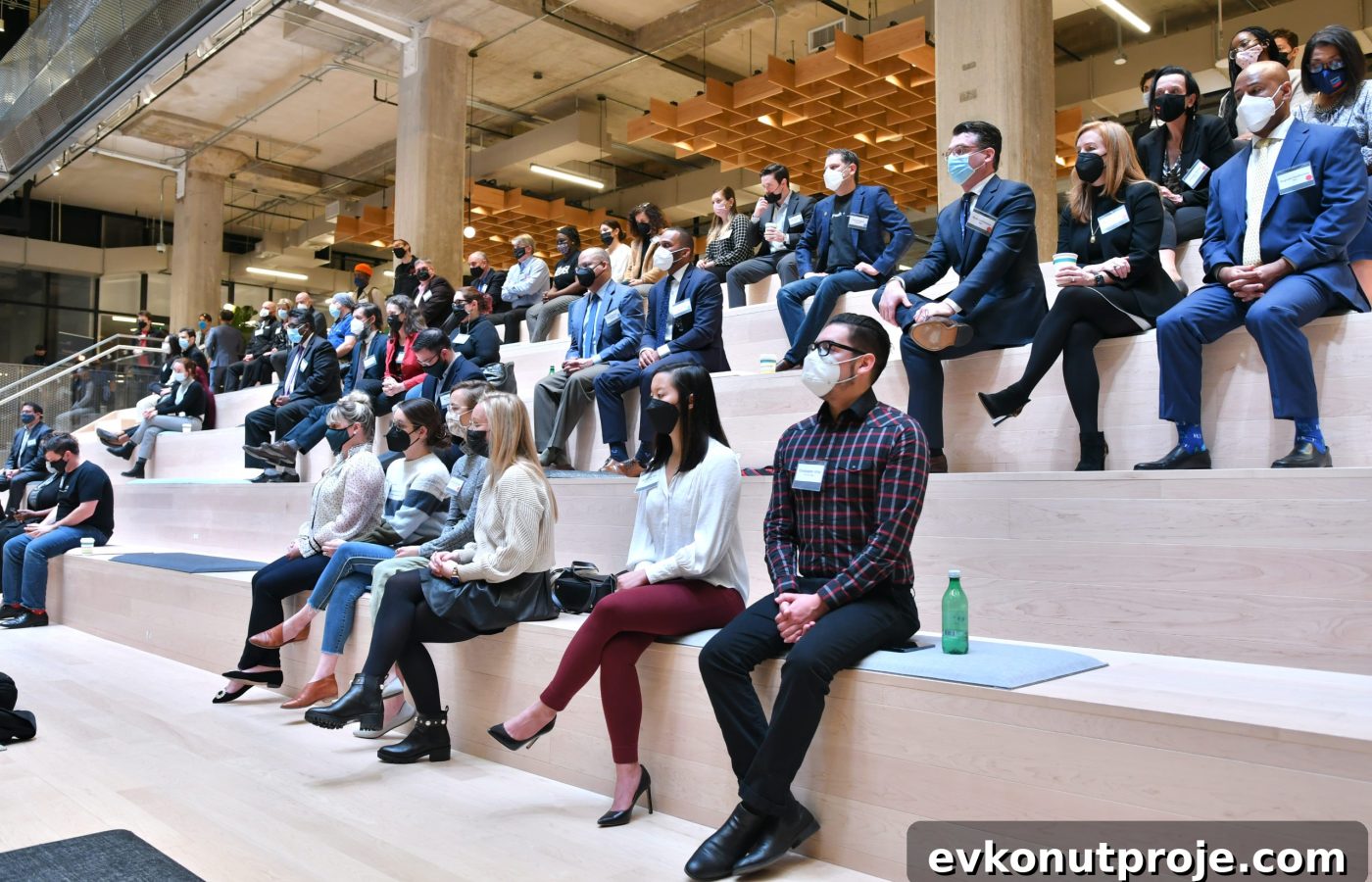
Image: Courtesy The Ion. Pictured is the audience at a Jan. 31, 2022 press conference at The Ion.
Photo credit: Alex Montoya
File: Ion Prototype Lab Unveiled
File: Rice Management. Ion Prototype Lab Unveiled. IPL.TXRX. Rice University
Check out the book Houston 2020: America’s Boom Town – An Extreme Close Up by Ralph Bivins. Available on Amazon.