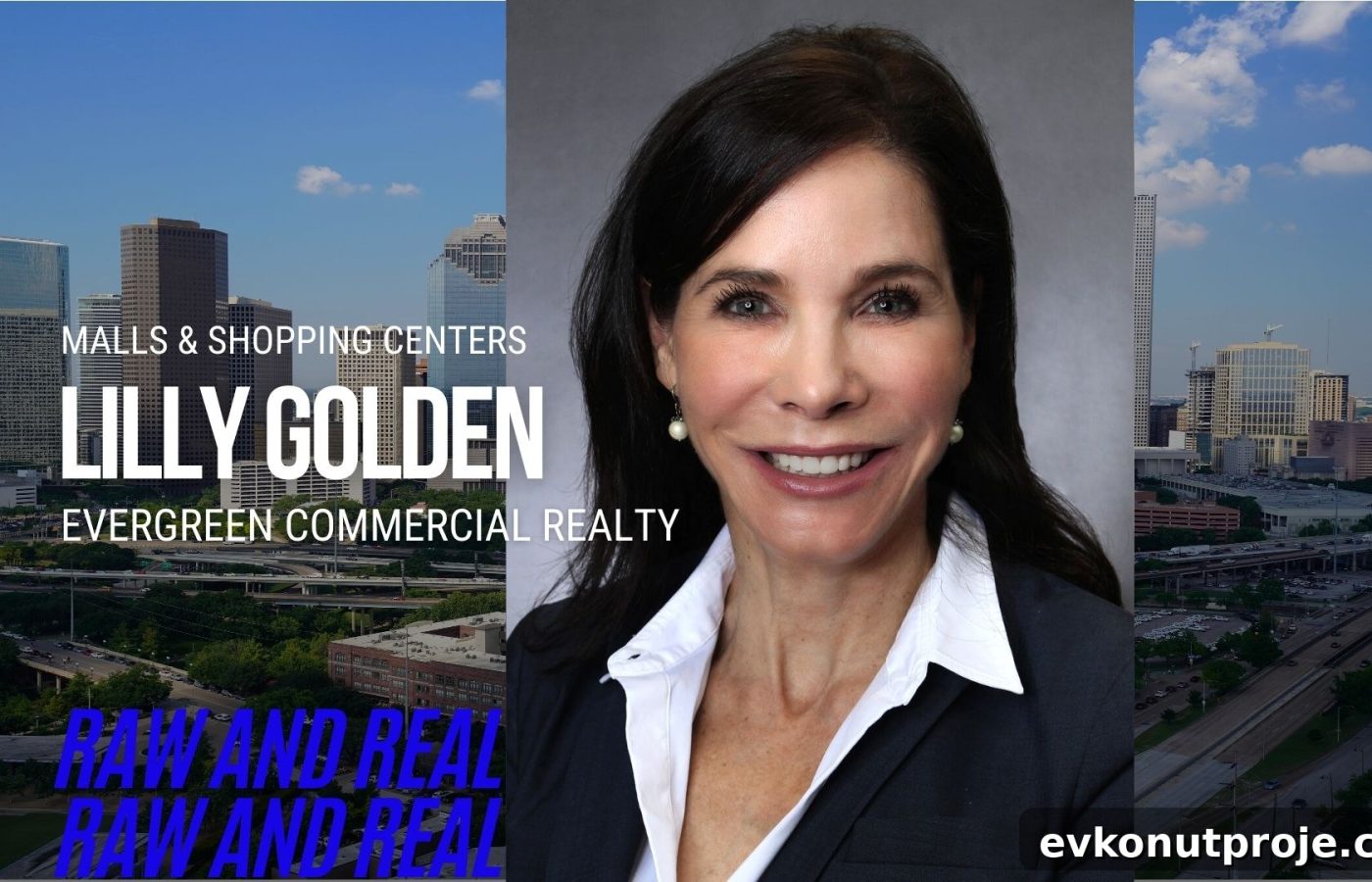
HOUSTON – (Realty News Report) – Lilly Golden is the principal and founder of Evergreen Commercial Realty, a firm that specializes in shopping centers and retail real estate. Her portfolio includes leasing prominent retail and mixed-use properties in Houston’s Galleria and Katy corridors.
Lilly Golden was a recent guest on THE RALPH BIVINS PROJECT, a podcast produced by Realty News Report, where she discussed current trends in retail, shopping centers and how the pandemic has reshaped the market.
Ralph Bivins: We’re here to talk about retail, malls and shopping centers. With so much retail moving online during COVID, now that the worst of the pandemic is receding, what is the state of the retail industry—both nationally and here in Houston?
Lilly Golden: I’m relieved that the era of drafting pandemic rent-deferral agreements is largely behind us. We’re moving into a phase of new deal activity. I expect that accumulated savings and government stimulus will help many tenants catch up on deferred rent, allowing landlords to stabilize centers and reposition properties by the end of 2022. In Houston specifically, we reopened earlier and stayed open longer than many cities. We’ve seen two consecutive quarters of positive absorption and vacancy has only increased modestly—about 100 basis points—placing us near a 6.9% vacancy rate. Given current leasing momentum, I expect continued positive absorption through the year and healthier fundamentals by the fourth quarter.
Ralph Bivins: There has been a major home-buying surge and a shift to remote work. Given the old adage, “retail follows rooftops,” how do you see retail evolving in the outer suburbs?
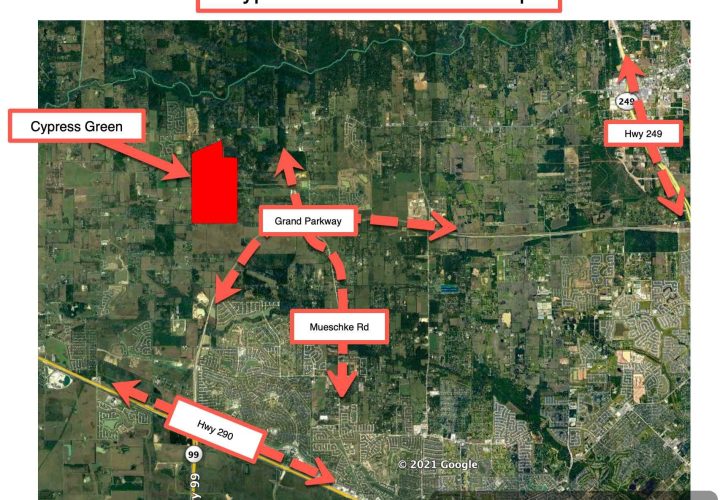
Lilly Golden: Development is already moving outward—from Willis down to Manvel—and along corridors like Grand Parkway and other outer loops, including areas such as Baytown and Webster. Much of the new retail is grocery-anchored or clustered near supermarkets, because grocery anchors drive consistent weekly traffic. High construction costs and limited leverage mean many projects in the pipeline were planned well before recent homebuilding picked up. If construction economics loosen, we’ll likely see more announced projects that reflect the new household growth. For now, the pattern remains: retail follows rooftops when demographics and economics align.
Ralph Bivins: What do developers and retailers look for when selecting locations?
Lilly Golden: Retailers and developers focus on demographics and traffic. High-end retailers need a concentration of households with sufficient income; every concept requires the right customer base and traffic counts to support sales volumes that justify rent. Without those metrics, a concept won’t be sustainable. Ultimately, rent must be covered by the retailer’s profit margin—so traffic, household income and visibility are key.
Ralph Bivins: Why is grocery-anchored retail such a priority right now?
Lilly Golden: Grocery-anchored centers serve daily and frequent needs. Shoppers typically visit grocery stores two to three times a week, which generates steady, recurring foot traffic for adjacent retailers. Even with the rise of click-and-collect and grocery delivery, the majority of customers still visit physical stores regularly. That reliability creates a flight to quality for assets near strong grocery anchors, and grocery tenants provide a sense of safety and stability for the broader center.
Ralph Bivins: What about large-format big-box stores—appliances, TVs and similar categories?
Lilly Golden: Certain big-box formats remain resilient. Target continues to perform well because customers enjoy the in-person experience it offers. Off-price discounters like Ross, Burlington and T.J. Maxx still attract shoppers who value the treasure-hunt experience—a shopping behavior that doesn’t translate well to online. Many categories that are inherently resistant to e-commerce will continue to occupy large-format space in shopping centers and power centers.
Ralph Bivins: Regional malls have been under pressure and some have struggled during the pandemic. What’s the outlook for those properties?
Lilly Golden: Class-A malls with strong traffic and tenant mixes are holding up reasonably well—well-located, high-quality centers like the Galleria remain viable. However, many regional and legacy malls have experienced tenant leakage as brand strategies shift toward mixed-use lifestyle centers or newer lifestyle developments. B- and C-quality malls must reinvent themselves: some are being reconfigured internally, others are repurposed for alternative uses, and a number are being redeveloped entirely. Many of these sites are on valuable land, so investors and owners are exploring new uses—residential, office, industrial or mixed-use—on a case-by-case basis.
Ralph Bivins: Are you seeing new retail concepts emerge now?
Lilly Golden: Today we’re mostly seeing established national brands testing updated prototypes rather than entirely new concepts. Examples include Starbucks expanding drive-thru options, Walgreens deploying smaller-format prototypes of about 2,500 square feet, and Dollar General adapting assortments to appeal to suburban shoppers seeking value. Restaurant Depot has opened some locations to the general public instead of operating strictly B2B. Costco is piloting a new 154,000-square-foot business-focused format, and some Sam’s Club locations are converting to logistics or fulfillment uses. Broadly, I expect more prototype announcements and incremental innovation in 2022 as the market stabilizes and the industry reassesses post-pandemic consumer behavior.
May 11, 2021 Realty News Report. Copyright 2021.
For additional perspective on Texas real estate, see the book Houston 2020: America’s Boom Town – An Extreme Close Up by Ralph Bivins, which includes an extended account of the La Centerra development in Cinco Ranch.