Commentary by Ralph Bivins. (Originally published on March 1, 2021 in the RNR newsletter)
Houston — long known as the Energy Capital of the World — has weathered severe tests before and has a history of coming back stronger. From the catastrophic flooding of Hurricane Harvey in 2017 to the boom-and-bust cycle of the 1980s, the city has endured sharp downturns and structural shifts in its economy. The pandemic and the oil-price collapse of 2020 were another of those tests, and they hit a broad cross-section of Houston’s economy.

The 2020 downturn combined public-health restrictions that damaged retail, hotels and many service industries with an unprecedented commodities shock — when West Texas Intermediate crude briefly traded below zero in April. That fallout produced layoffs across energy companies, a long list of bankruptcies among local firms and visible stress in real estate sectors ranging from office to multifamily.
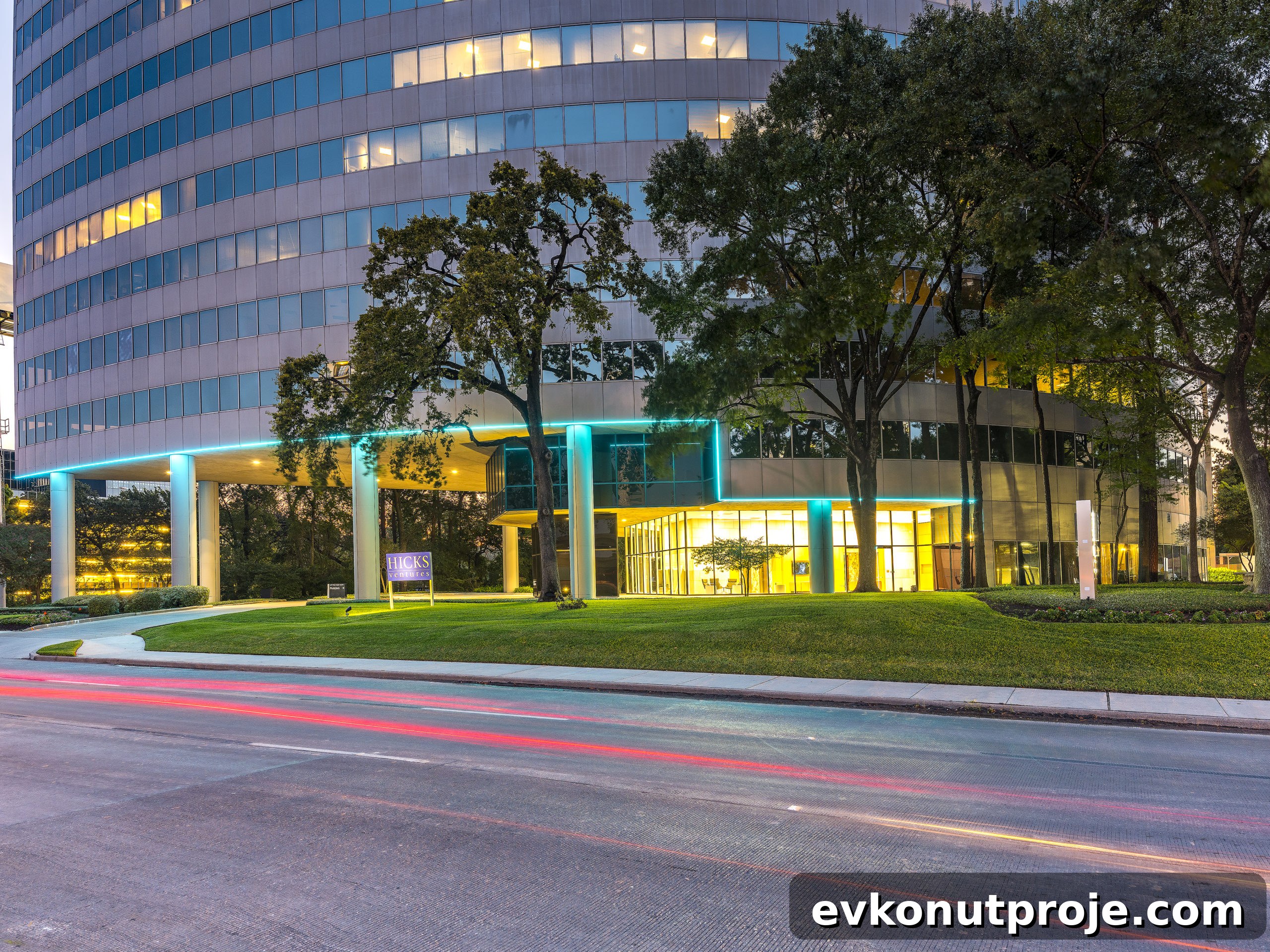
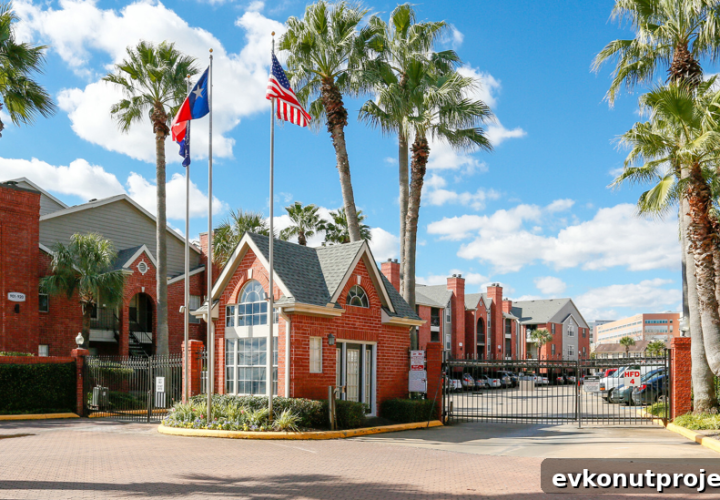
Last year saw office vacancies spike to near-record levels, although newer Class A buildings and substantially renovated properties held up better than older product. The apartment market has pockets of weakness, and another wave of multifamily supply — roughly 20,000 units — is under construction. Those conditions raised the understandable question: how much worse could it get?
My view is simple: as of March 1, 2021, the market has likely found its bottom. I believe Houston real estate is turning the corner. This is not a prediction of an immediate, rapid rebound; rather, it is an assessment that the worst is behind us and that gradual, uneven improvement is now more likely than further broad deterioration.
Why that view is warranted
1) The public-health picture is improving. Vaccination rollouts have accelerated, with tens of millions already having received at least one shot and additional vaccines authorized for use. As vaccinations expand, consumer confidence and activity should recover. Restaurants, hotels, event venues and airlines—sectors that were particularly hard hit—will begin to contribute meaningfully to demand for commercial space and services as travel and gatherings normalize.
2) Oil prices and energy demand are stabilizing. With crude above $60 a barrel, the most acute financial stress for some energy firms may be alleviated, even if widespread rehiring does not occur immediately. The energy sector remains challenged—Exxon Mobil reported a substantial annual loss in 2020—but increased mobility and economic activity will drive higher energy consumption. Even modest improvement in energy markets is a net positive for Houston’s economy.
3) Houston’s housing market is one of the stronger markets nationwide. Builders and Realtors report brisk activity. Last year marked the best year ever for existing home sales in the Houston region. Nationwide, single-family home sales and housing starts are elevated compared with a decade ago, and mortgage rates near historic lows have supported buyer demand. Local land brokers note strong interest in residential parcels, and the Federal Reserve’s low-rate stance should continue to prop up housing activity.
4) Life sciences and medical research bring durable demand. The Texas Medical Center remains a major economic anchor, and investment in life-science facilities and research infrastructure is already underway. New lab space, biotech manufacturing and related employment growth diversify Houston’s real estate demand and provide higher-quality office and industrial tenants for the long term.
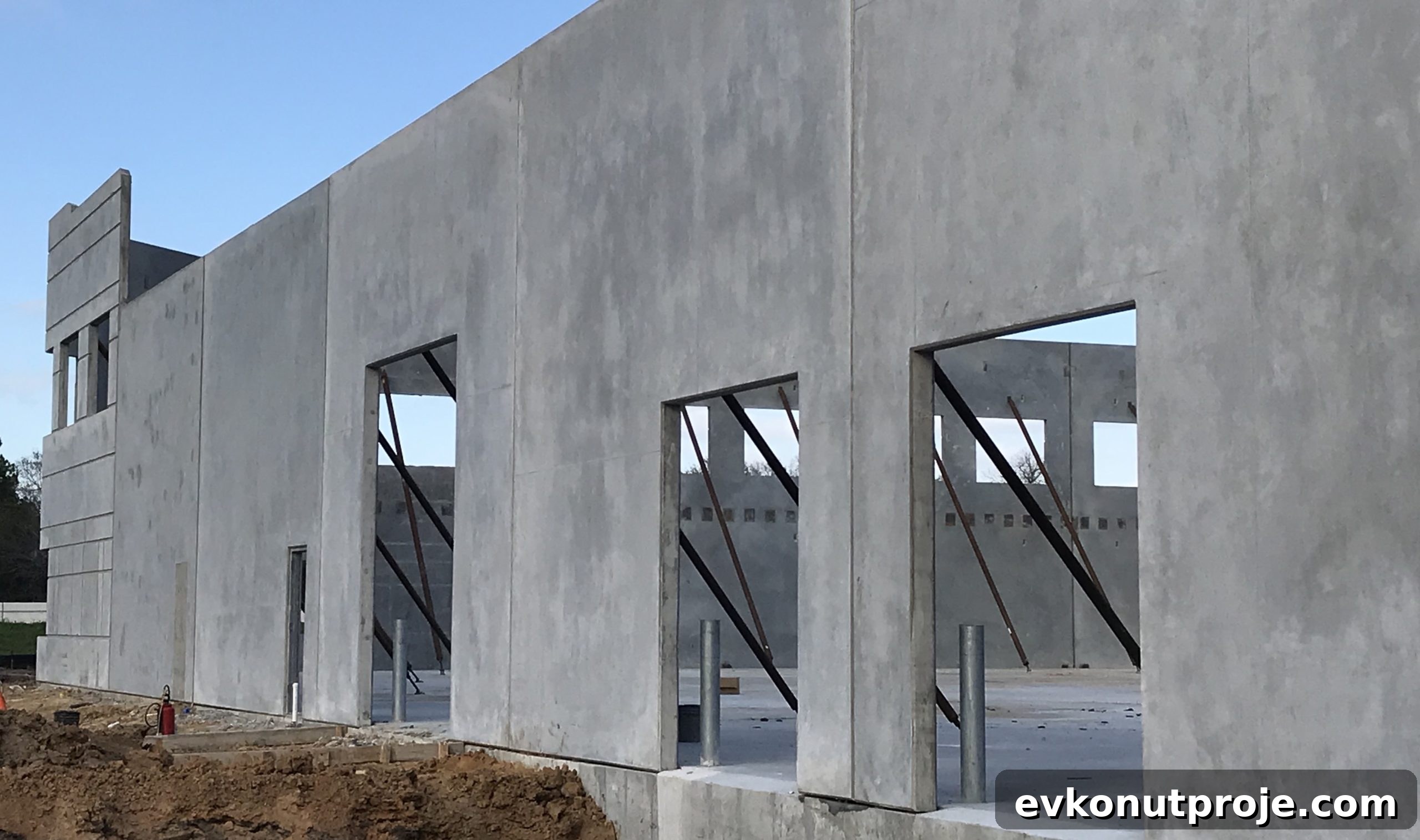
5) Industrial real estate remains a pillar of strength. Houston has a substantial industrial pipeline—nearly 19.4 million square feet under construction—ranking it among the nation’s most active industrial markets. Net leasing in 2020 was robust, and major logistics tenants continue to absorb distribution space. E-commerce and supply-chain shifts are structural trends that benefit Houston’s industrial sector.
Portions of the market will recover faster than others. Class A offices and well-located industrial and life-science assets are likely to rebound sooner, while older office buildings and areas with oversupply will take longer to stabilize. Overall, most economists expected positive job growth in Houston for 2021, and that employment recovery will underpin demand across real estate sectors.
For many Houstonians, the day the Houston Livestock Show and Rodeo was suspended on March 11, 2020 remains a stark memory of the pandemic’s onset. Last year was difficult, and the recovery will not be without setbacks. But signs of stabilization were visible by early 2021: vaccine progress, firmer oil prices, strong housing activity, life-science investment and vigorous industrial leasing. These combined forces point toward improvement.
(Commentary by Ralph Bivins. Originally published March 1, 2021 in the RNR newsletter.)
March 12, 2021 Realty News Report Copyright 2021
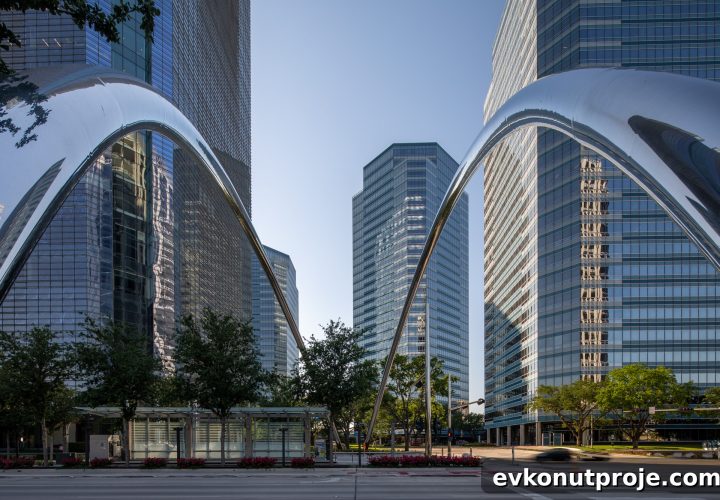
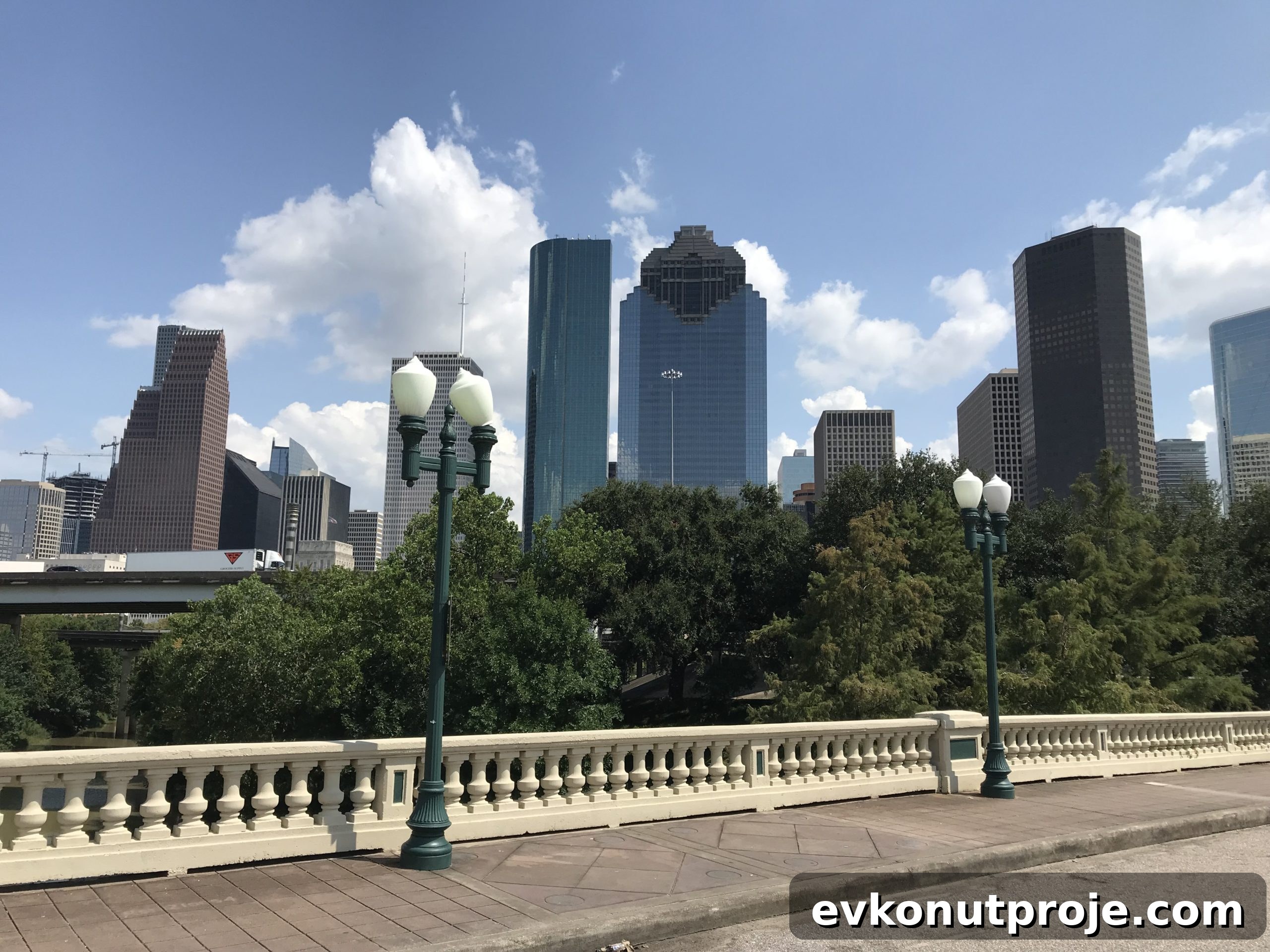
Downtown Houston: Photo credit: Ralph Bivins. Copyright 2021

Houston 2020: America’s Boom Town, the book by Ralph Bivins, is available on Amazon.