Austin Retail Leasing Drops 63% in Q4 2020, But Occupancy Holds Up
AUSTIN – (Realty News Report) – Austin’s shopping center and retail leasing activity fell sharply in the fourth quarter of 2020 as the retail sector continued to feel the effects of the COVID-19 pandemic. According to market data compiled by NAI Partners, total leasing activity—counting both new leases and renewals—totaled approximately 304,000 square feet in Q4, a decline of 63 percent compared with the same period in 2019.
That steep drop in signed deals translated into softer rent trends and a modest increase in vacancy across the market, though overall fundamentals remained resilient for much of the year. The Weitzman real estate organization, in its annual review of Austin retail space, noted that the metro finished 2020 with an overall retail occupancy rate of about 95 percent. While this represents the market’s lowest year-end occupancy since 2013 and a decline from the roughly 96 percent occupancy recorded at the end of 2019, it remains a healthy level and makes Austin one of the strongest major-metro retail markets in Texas on an occupancy basis.
Weitzman attributed the year-end vacancy uptick primarily to a mix of smaller, local-concept closures and a handful of national retailers that shuttered stores. Among national chains contributing to increased vacancy were Stein Mart, 24 Hour Fitness, Pier 1 Imports and Tuesday Morning. Even so, the number of large-format closures was relatively limited, and a constrained pipeline of new retail deliveries helped temper what could have been a more severe decline in occupancy.
Importantly, many of the spaces vacated during the year were backfilled fairly quickly by new concepts better adapted to pandemic-era consumer behavior. Several restaurants and fast-casual brands took over existing, second-generation spaces with business models emphasizing take-out, delivery and limited-capacity dine-in service. Examples include Easy Tiger Bake Shop and Beer Garden, which moved into the former Old Red’s Porch on South Lamar; Another Broken Egg at 8012 Mesa Drive in the space previously occupied by Mangia Pizza; Qi Austin opening street-level retail downtown on West 6th Street; Bishop Cidercade occupying the former Joe’s Crab Shack site on East Riverside; and Buddy’s Burger, a new fast-casual operator opening at 9001 Cameron Road and already planning expansion.
Demand wasn’t limited to small footprints. The market also saw tenants stepping into larger vacancies: Skechers replaced a former Pier 1 location near Lakeline Mall, and Cowboys Fit opened a roughly 57,000-square-foot fitness facility in Pflugerville. These moves underscore continued interest in sizeable retail and service-oriented spaces despite the uncertainty caused by the pandemic.
Weitzman’s report emphasized that Austin’s retail position is supported by longer-term economic drivers and corporate relocations in the region. The report highlights major projects and headquarters moves that are expected to bolster employment and consumer demand in the coming years, including Tesla’s gigafactory outside Austin, Oracle’s announced relocation of headquarters to the area, and Apple’s planned multi-billion-dollar campus. These developments are cited as reasons for optimism about retail demand over the medium term.
Looking ahead, the market outlook hinges significantly on public-health progress. Weitzman noted that if vaccine distribution and other measures substantially reduce COVID-19 infections and restore consumer confidence in shopping, dining and entertainment, the Austin retail market could see a recovery beginning in 2021, with a plausible return to pre-pandemic occupancy levels and broader economic health by 2022. Recovery timing will depend on both the pace of public-health improvements and how quickly consumer behavior normalizes.
Overall, while retail leasing activity contracted sharply at year-end and vacancy increased from 2019 levels, Austin’s retail sector ended 2020 in comparatively strong shape relative to many other markets. A combination of backfilling activity, limited new supply deliveries and ongoing corporate investment helped preserve a relatively high occupancy rate and left the market positioned to benefit as conditions improve.
Feb 15, 2021 Realty News Report Copyright 2021
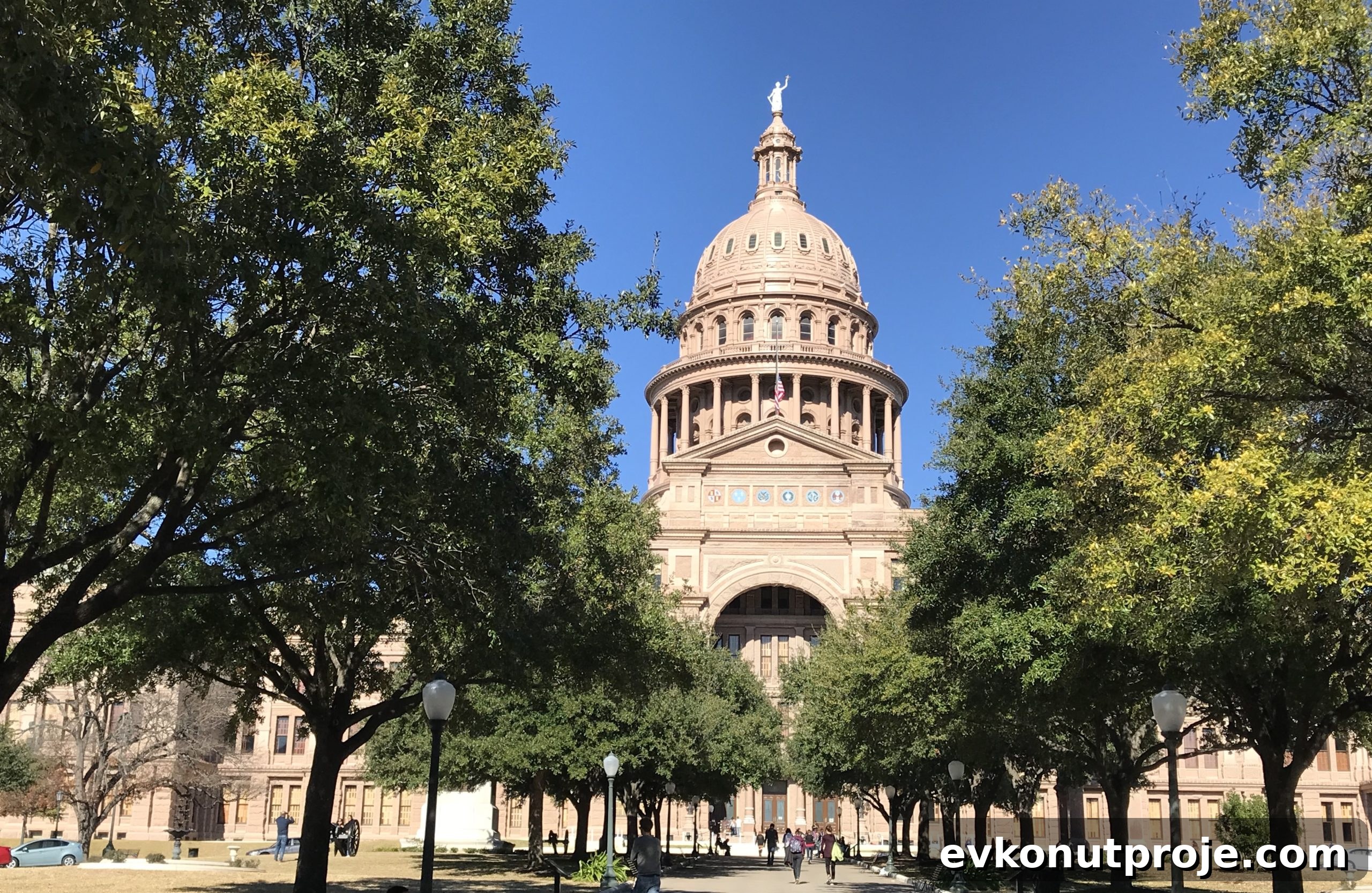
Photo: State capitol in Austin. Photo credit: Ralph Bivins, Realty News Report Copyright 2021
File: Retail Leasing Down 63 Percent