Robert A.M. Stern, Renowned Architect and Educator, Dies at 86
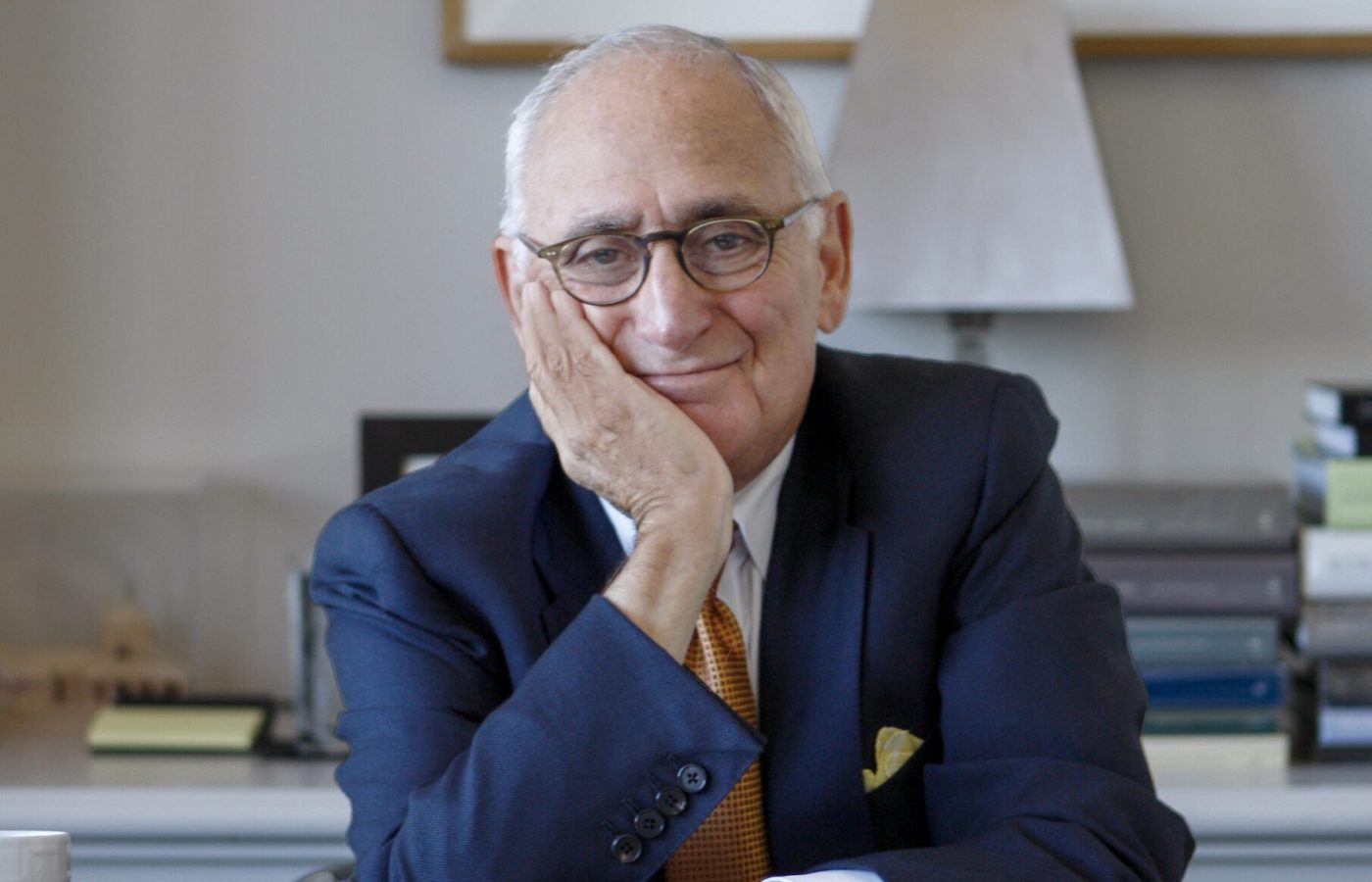
NEW YORK – (Realty News Report) – Robert A.M. Stern, the influential architect whose work shaped high-rise residences, civic buildings, museums and academic campuses, died at his home on Thursday. He was 86.
Stern founded the firm Robert A.M. Stern Architects in 1969. Known today by the acronym RAMSA, the practice grew from a single architect’s vision into a major design firm of approximately 250 professionals and 18 partners. Under his leadership, RAMSA produced a wide range of projects that combined careful attention to context and materials with a respect for architectural tradition.
Notable Projects and Local Impact
In recent years RAMSA gained notable attention in Houston for designing the new Ritz-Carlton Residences The Woodlands tower, a project that attracted significant early sales commitments before construction began. Stern’s work in Texas also includes the Hobby Center for the Performing Arts in downtown Houston, a project that helped anchor cultural life in the city’s theater district.
On the campus of Rice University, Stern designed Janice and Robert McNair Hall, contributing to the architectural fabric of the university. Nationally, one of Stern’s most widely recognized commissions is the George W. Bush Presidential Center in Dallas, which opened in 2013. These projects illustrate the breadth of his practice, from educational facilities to performing arts venues and major institutional centers.
Educator and Advocate for Preservation
Beyond his architectural practice, Stern had a long career in education. He served as Dean of the Yale School of Architecture from 1998 to 2016, shaping curriculum and mentoring multiple generations of architects. Earlier in his career he taught at Columbia University, contributing to architectural education at two of the nation’s most prominent design schools.
Throughout his career Stern was also a public advocate for preservation and for thoughtful design in cities and communities. His work, teaching and writing repeatedly emphasized the role architecture plays in civic life, in preserving historical context, and in addressing contemporary needs through well-crafted buildings.
Recognition and Writings
Robert A.M. Stern was a Fellow of the American Institute of Architects, a recognition of his professional contributions to architecture. He authored and co-authored several books on architecture, sharing his perspectives on historical precedent, urbanism and the craft of building. His publications and public lectures extended his influence beyond completed projects, shaping broader conversations about design and preservation.
Legacy
RAMSA issued a statement honoring Stern’s legacy: “Throughout his distinguished career, Stern shaped the built environment, contributed to the education of multiple generations of architects, and raised public awareness of the importance of preservation and the role design plays in communities and in society at large.” That reflection underscores the twofold impact of his life’s work—both the physical buildings he left behind and the people and ideas he influenced.
Stern’s architectural legacy is visible in cities and campuses across the country, and in the continued work of the firm he founded. As students, colleagues and clients remember his leadership, RAMSA’s ongoing portfolio and the many professionals who trained under him will carry forward the standards of craft, context and civic responsibility he promoted.