HOUSTON – (By Dale King, Realty News Report) – New research from real estate professors at Florida Atlantic University and Florida International University finds that home prices in many U.S. metro areas are significantly overvalued and may pose risk to buyers. Which markets are the most overvalued—and where might buyers find better value?
Leading the list of overvalued housing markets are Boise, Idaho, and Austin, Texas—two destinations that have attracted many recent transplants from California. Boise tops the ranking, with home prices about 80.64 percent above what long-term pricing trends suggest is justified. Austin follows, with homes roughly 50.72 percent overvalued among the 100 largest metropolitan areas analyzed.
Worries of a Correction Continue
Ken H. Johnson, Ph.D., a co-author of the Beracha, Hardin & Johnson Buy vs. Rent Index and a real estate economist, warns that “in these housing markets, worries of a correction continue.” He notes that buying now in the most overvalued metros carries considerable risk: consumers may end up paying near peak prices and could be stuck for an extended period before seeing solid returns.
The index’s takeaway is clear: in many high-priced markets, renting and reinvesting the money you would otherwise commit to homeownership can produce superior long-term wealth accumulation. Johnson explains that disciplined investors who rent and redeploy savings into a diversified portfolio of stocks and bonds often build wealth faster than buyers who overpay for real estate at the top of a cycle.
The Buy vs. Rent Index finds that renting and reinvesting is a better financial move in several large metropolitan centers beyond Boise and Austin, including Atlanta, Los Angeles, Pittsburgh, Philadelphia, San Diego, Minneapolis and Portland, Oregon. The index also indicates that prices are at or near peaks in markets such as Dallas, Denver, Houston, Kansas City, Seattle and Miami—areas where leasing and investing the difference may be more advantageous than buying today.
Texas Markets: Where They Rank
Among Texas metros, Austin ranks highest for overvaluation (50.72 percent). Dallas/Fort Worth appears in 19th place, with homes about 31.57 percent above their long-term valuation trend. San Antonio sits near the middle of the national list, with an overvaluation of 20.99 percent. Houston ranks 57th with homes about 17.99 percent overvalued, and El Paso appears further down the list with a 13.11 percent overvaluation.
At the other end of the spectrum, only five of the 100 metros are meaningfully undervalued. Urban Honolulu shows the largest discount at minus 4.93 percent, followed by Virginia Beach at minus 2.46 percent, Baltimore at minus 1.69 percent, New York City at minus 0.79 percent and Baton Rouge at minus 0.37 percent. These undervalued markets may offer buyers room for appreciation based on historical pricing behavior.
The professors’ analysis accounts for a range of expenses that influence the buy-versus-rent decision: home prices and rents, mortgage rates, maintenance costs, homeowner association dues and other household expenses. They note that strong demand, near-record-low mortgage rates and a limited supply of homes for sale have pushed prices higher across much of the country, making postponing ownership an attractive option for many consumers.
William Hardin, a co-author of the index, points out that in some metros “the cost of renting is outpacing the cost of ownership, resulting in some surprising recommended buys.” The index, first published in 2013, continues to challenge the conventional wisdom that homeownership is always the superior long-term financial decision. For disciplined savers, renting and reinvesting can be equally or more lucrative.
Eli Beracha, another index co-author and director of FIU’s Hollo School of Real Estate, offers practical advice: saving the monthly difference from renting without investing it is a mistake. “If you’re not inclined to invest your savings, you might as well buy a house, even at the top of the market, because owning a home would at least force you to save,” he says.
Several markets that were hit hard in the last housing downturn now rank among the most overvalued in the latest analysis. Phoenix shows a 42.31 percent premium relative to long-term pricing, Las Vegas is 41.88 percent above trend, and Stockton, California, is 38.50 percent above its historical pricing pattern. By contrast, Baltimore and Virginia Beach are among the best deals for buyers, offering modest discounts.
The researchers are issuing monthly updates analyzing the nation’s 100 largest metropolitan areas using publicly available data that extend back to January 1996. The data set includes single-family homes, townhomes, condominiums and co-ops and is designed to help consumers evaluate whether current home prices represent fair value or carry elevated risk.
For example, recent reports show the median home price in Austin approaching $470,000, a number that prompts many homeowners and prospective buyers to ask whether those prices reflect true market value. As more consumers weigh that question, the buy-versus-rent calculation will continue to shape housing decisions in 2022 and beyond.
Sept. 17, 2021 Realty News Report Copyright 2021
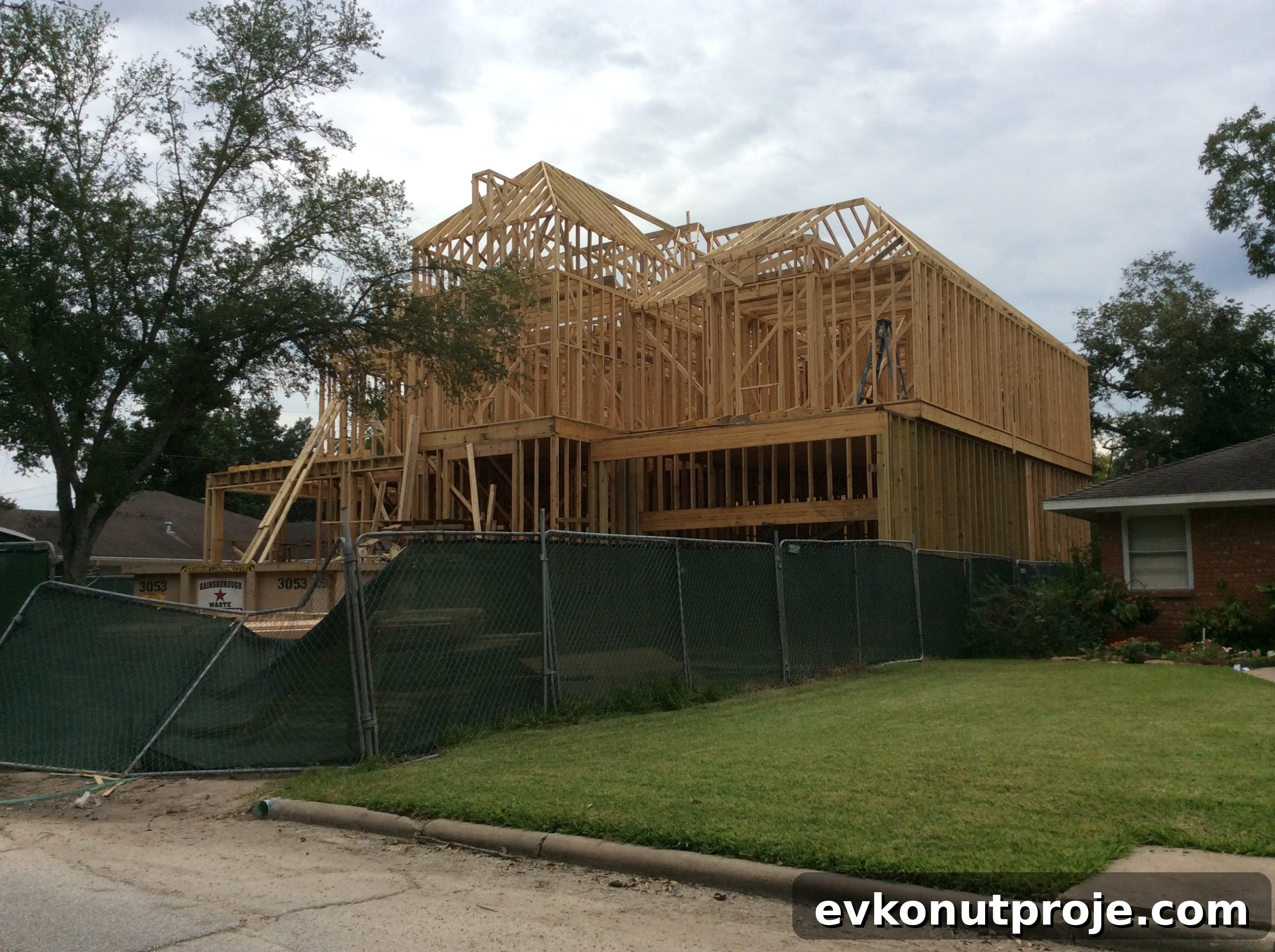
Photo credit: Ralph Bivins, Realty News Report 2021
For more about Texas real estate, see the book Houston 2020: America’s Boom Town – An Extreme Close Up by Ralph Bivins.
File: Where to Find Overvalued Homes