HOUSTON – (By Michelle Leigh Smith for Realty News Report) – Is a new version of the American dream emerging?
Wan Bridge Group, a Texas-based developer and operator of build-to-rent (BTR) communities in the Houston, Dallas and San Antonio regions, says yes.
The company is betting on research showing many millennials prefer the flexibility of renting to being tied to a 30-year mortgage. Wan Bridge targets young professionals and families who value the “lock & leave” lifestyle – well-maintained properties where landscaping is handled and on-site teams manage routine maintenance like HVAC filter changes.
Millennial households represent roughly 85 percent of Wan Bridge’s current tenants across its growing portfolio of single-family rental homes, duplexes, triplexes and a line of upscale patio homes.
Upscale Build-to-Rent — $4,500 a Month
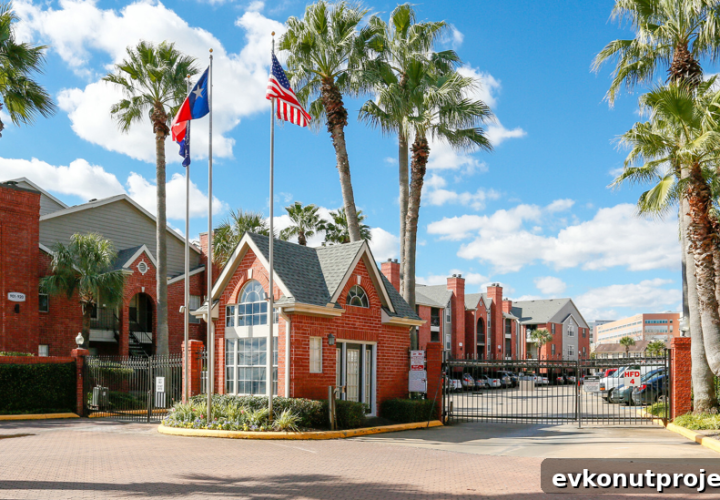
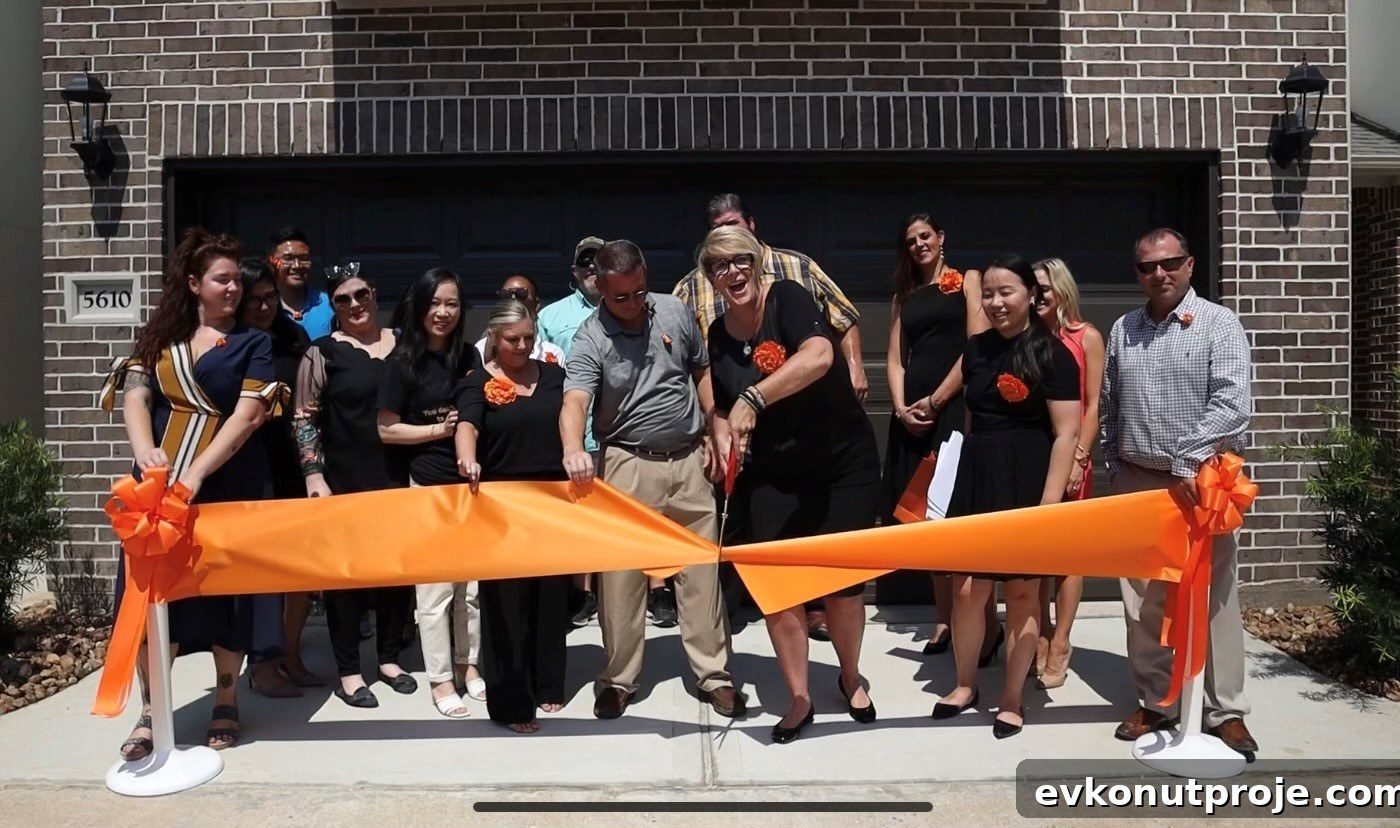
In mid-June, Wan Bridge unveiled two of six new patio homes at Edison Park, located south of the Galleria near Glenmont Drive and South Rice Avenue, just north of Bellaire city limits where new homes often sell for more than $1 million.
Each three-story home offers about 2,800 square feet of living space and carries an estimated build value of roughly $500,000, according to Lisa Kennedy, Wan Bridge’s regional manager. However, these homes are not for sale — they are offered as rentals starting above $4,000 per month.
Each floor plan includes four bedrooms and three-and-a-half bathrooms. Across Wan Bridge’s portfolio, properties in Kingwood, Rosharon, Pearland and Forney typically rent between $1,700 and $2,300, though rents vary by project and amenity level.
Wan Bridge focuses on developments that are community-scale — often fewer than 200 homes on 40 to 50 acres — while also pursuing larger projects such as an 800-home community planned for Rosharon. Rents at Edison Park begin at $4,485 per month. “For now, that is our highest rent,” said Ting Qiao, Wan Bridge’s CEO. “Our lowest rent is $2,020 in the 94-home Clearwater at Balmoral, a Land Tejas community in northeast Houston built around a two-acre lagoon.” Those duplex and triplex homes offer up to four bedrooms, 10-foot ceilings, and 1,800 square feet with walk-in pantries and closets.
The company’s founder and CEO, Ting Qiao, moved to Houston six years ago, purchased a home in Bellaire and began scouting neighborhoods where build-to-rent makes strategic sense. Qiao, who holds an MBA from Carleton University in Canada, maintains some operations in Bellaire: purchasing and construction activities remain based there while other functions have moved to space on the top floor of a San Felipe Road high-rise.
“In Texas we can build a home within six months, and that home will be there for the next 50 years,” Qiao said. “If you account for the whole life cycle, construction only represents about 1 percent of the total investment over time. We design for residents and for our onsite ambassadors.”
Qiao said his interest in Bellaire was driven by the people, the quality of life and the schools. He identified the Edison Park opportunity in late 2019 after noticing several unfinished townhome lots listed for sale. Hurricane Harvey had increased the supply of lots as older flooded homes were demolished, creating acquisition opportunities.
“After Harvey, some sellers were motivated,” Qiao recalled. “We did the basic calculations on costs and projected rent, and the numbers worked, so we moved forward.” He noted the project experienced delays — permitting took four to five months and the pandemic created additional challenges — but construction continued without major pause.
Beijing to Bellaire
Born in Beijing, Qiao previously worked in the upscale condominium sector in Asia. Wan Bridge’s business model also appeals to international investors seeking tangible U.S. real estate assets.
“Our early investors came from outside the U.S.,” Qiao explained. “Three years ago many institutional investors didn’t fully understand the BTR product. They asked whether it was multifamily. We saw strong demand from people who want new single-family homes without committing to purchase, and from international clients who want ownership of tangible U.S. assets. Wan Bridge bridges those demands.”
What’s in a Name?
The name Wan Bridge merges the surname of co-founder Bin Wan with Bridge Tower, the name of another partner. Qiao emphasized the firm invested heavily upfront to standardize floor plans and construction drawings. That consistency allows Wan Bridge to control build quality and construction costs and to operate property management more efficiently long term.
“This product is different from a for-sale home,” Qiao said. “We design every inch to be functional and to generate rental value. Proper design up front reduces turnover time and maintains long-term performance.”
The Master Plan
Qiao summarized Wan Bridge’s growth strategy: “We launched our build-to-rent and property management business in 2019. We’ve expanded into Dallas and Austin and currently have 39 projects in our pipeline.”

Over the next five years Wan Bridge aims to become a leading regional player by vertically integrating land acquisition, construction and property management. The company plans to build communities it operates and in some cases sells to other builders, and it partners on larger master-planned projects with established developers.
Site selection emphasizes proximity to major population centers: “near” high-growth suburbs with strong retail, good schools and sustained housing demand. Qiao pointed to homes in The Oaks at Suncreek Estates near Rosharon as an example — large floor plans with game rooms and four bedrooms that resemble $500,000 custom houses but are offered as rentals in the $2,700–$2,900 range.
Build-to-Rent: A National Trend
Wan Bridge joins a growing number of builders pursuing the single-family build-to-rent niche. Industry players and analysts note the trend reflects shifting preferences: many younger renters prefer professionally managed single-family homes with lower maintenance responsibilities.
Todd Wood of Christopher Wood Communities has observed that while homeownership remains an enduring aspiration, rental demographics are changing. According to national data, a majority of renters are younger, and many see renting as a step toward eventual ownership. Institutional capital is also flowing into the sector: advisory and market research firms have projected substantial investment into build-to-rent over coming years.
Recent activity includes large-scale institutional purchases of rental portfolios and examples where builders assembled rental blocks and sold them to investors at premiums compared with piecemeal sales, signaling robust interest from capital markets.
RCLCO, a real estate advisory firm, reports that a growing share of newly built single-family homes are purpose-built for rent. In Houston, thousands of homes have been developed specifically for the rental market, and demand projections suggest continued expansion of build-for-rent communities nationwide.
Renters by Choice
Houston is one of the nation’s most active home-building markets, and the local emergence of build-to-rent products is reshaping who occupies new housing. For many residents, choosing to rent a professionally managed single-family home offers flexibility, lower maintenance and a lifestyle that doesn’t require a long-term mortgage commitment.
June 22, 2021 Realty News Report Copyright 2021
For readers interested in Texas real estate: the book Houston 2020: America’s Boom Town — An Extreme Close Up by Ralph Bivins is recommended in print and ebook formats.
Image: Courtesy Wan Bridge. Emily Jaschke.
File: Build to Rent Boom