Weingarten Realty Sees Occupancy Bottoming Out Midyear, Expects Gradual Recovery
HOUSTON – (Realty News Report) – Weingarten Realty, a Houston-based owner of grocery-anchored shopping centers across the southern and western United States, said it expects occupancy at its properties to reach a low point by midyear before beginning a gradual recovery. The company tied that outlook to expanding COVID-19 vaccinations and incremental improvement in the broader economy.
During a conference call with investors on Tuesday morning to discuss fourth-quarter results, company management pointed to early signs of labor market recovery in key markets. In Houston, for instance, the company noted the region has regained roughly half of the jobs lost at the onset of the pandemic, indicating partial restoration of consumer activity.
Weingarten reported that signed occupancy, which includes newly executed leases, declined to 92.9 percent in the fourth quarter of 2020, down from 95.2 percent a year earlier. CEO Drew Alexander emphasized the significance of that level while placing it in historical context: “Our signed occupancy has never dropped below 90 percent in the history of the company. It didn’t in Texas in the middle and late ’80s; it didn’t in the global financial crisis; and according to the business plan isn’t supposed to this year but it’ll be really close and right around that level,” he said on the call.
Like other retail real estate owners, Weingarten has faced pressure on earnings due to tenant departures, rising bad-debt expenses and incomplete rent collections during the pandemic. The company posted net income of $23.1 million, or $0.18 per share, for the fourth quarter — a 69 percent decline from $75.2 million, or $0.58 per share, in the comparable period a year earlier.
Funds from operations (FFO), an important measure for real estate investment trusts, were $55.8 million, or $0.43 per share, for the quarter, down from $69.2 million, or $0.53 per share, in the fourth quarter of 2019. For 2021, Weingarten expects collections and bad-debt costs to improve from 2020 levels, but cautioned that gains may be partially offset by additional tenant terminations or fallouts as markets continue to adjust.
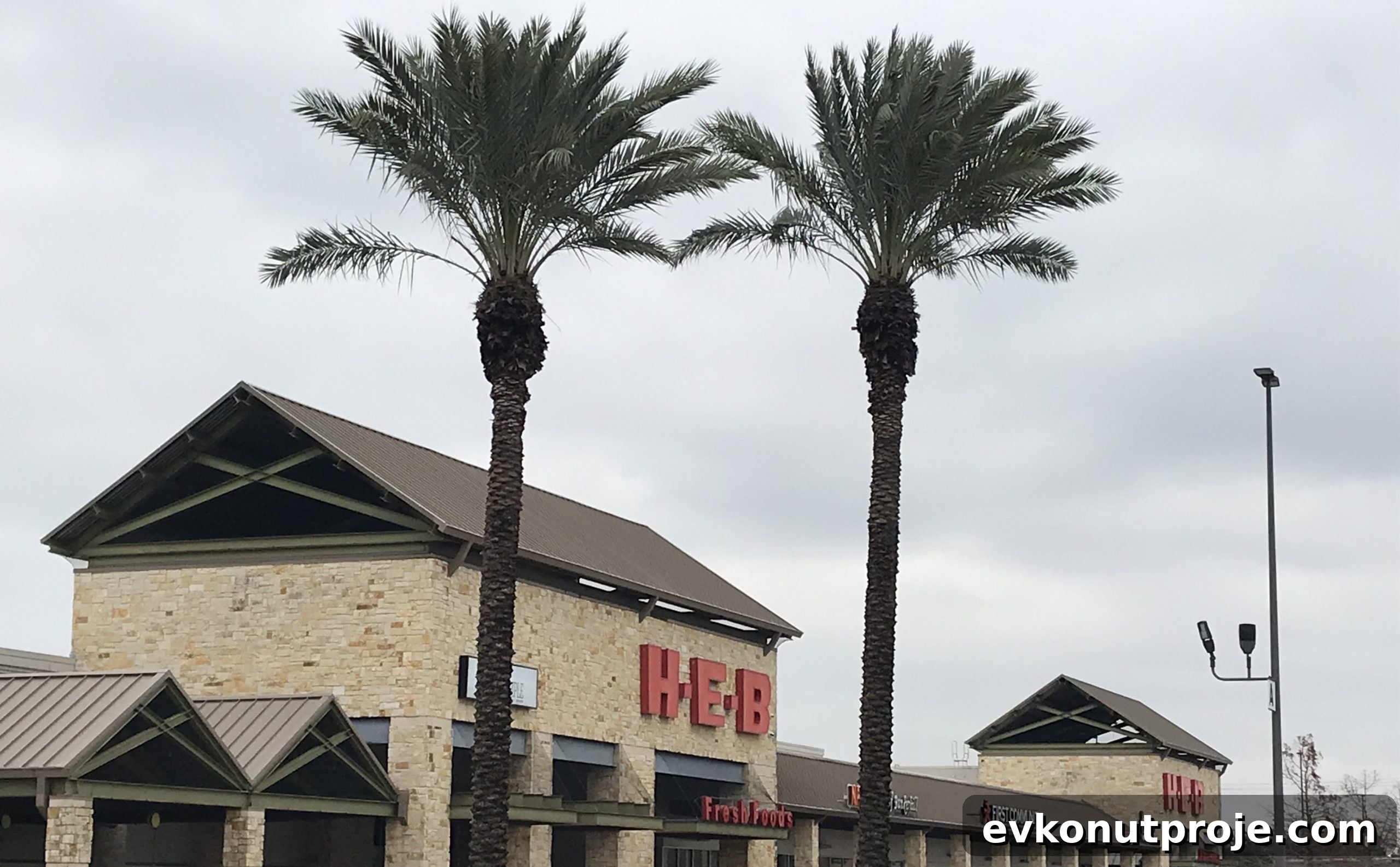
The company’s portfolio strategy—centering on grocery-anchored shopping centers—has provided some stability during the pandemic, as grocery tenants and essential services generally maintained demand. At the same time, Weingarten is pursuing mixed-use development opportunities that diversify its holdings beyond traditional retail centers. One notable project is a luxury residential and retail development in Houston’s River Oaks area. The Driscoll at River Oaks project is reported to be nearly complete and is currently about 47 percent leased, reflecting early leasing momentum in the mixed-use program.
Weingarten delayed the release of its fourth-quarter results that had been scheduled for Feb. 18, citing last week’s severe winter storm and extensive power outages in Texas. Management noted on the earnings call that the company’s properties in the state generally fared well during the storm, experiencing only limited power and water interruptions.
Looking ahead, Weingarten’s leadership signaled cautious optimism: recovery should follow as vaccinations progress and consumer demand normalizes, but the timing and pace will vary by market and depend on public-health developments and local economic conditions. The company plans to monitor lease expirations, tenant stability and collection trends closely while continuing to advance strategic development projects.
Feb. 23, 2021 Realty News Report Copyright 2021
File: Occupancy Decline Continuing Till Midyear — Weingarten Realty Anticipates Recovery
File: Weingarten Realty (WRI). Occupancy Decline Continuing Till Midyear. Pandemic Recovery. Retail REIT. Drew Alexander.