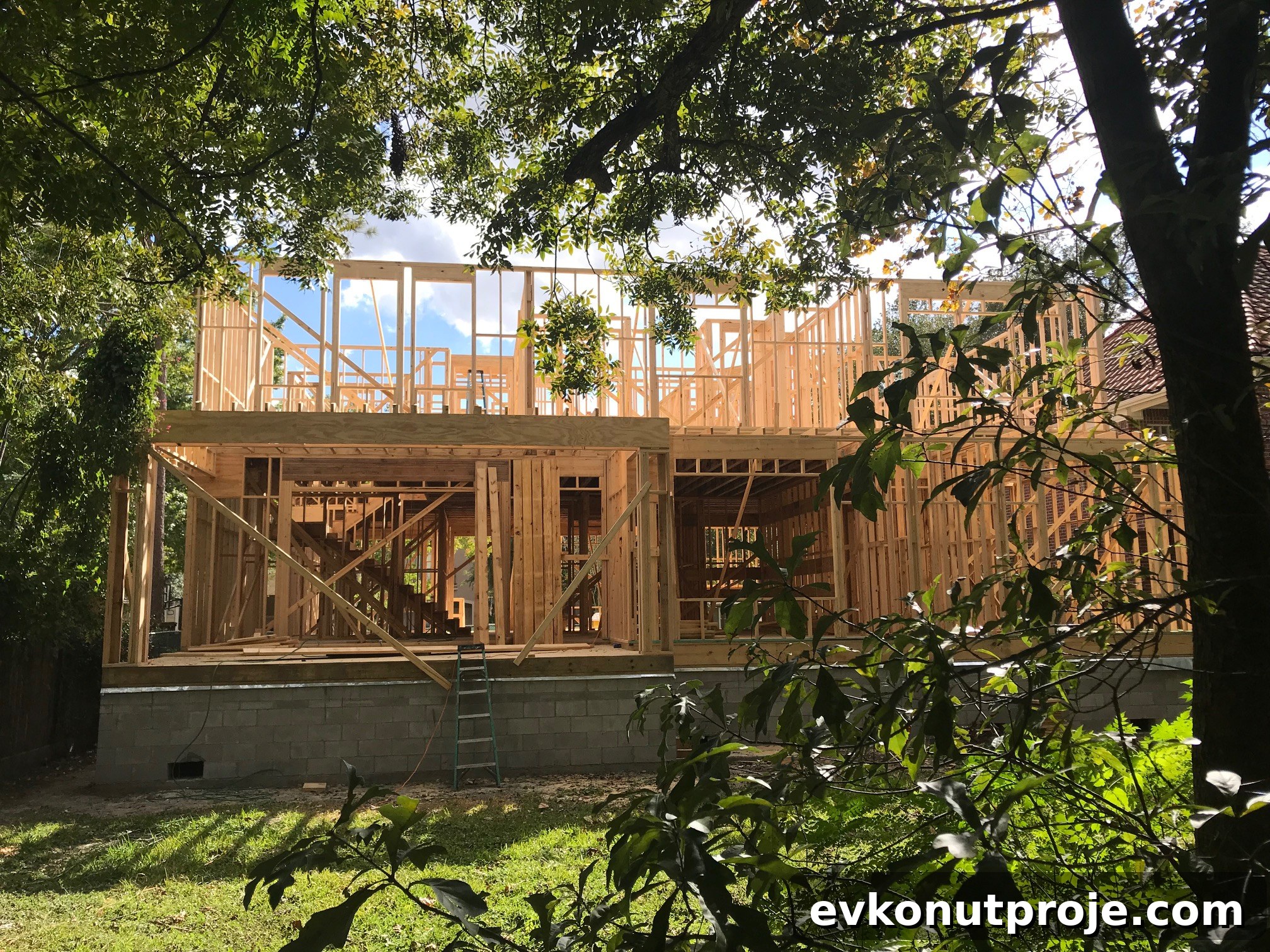
HOUSTON – (By Dale King, Realty News Report) – When many people hear the lyric “Give me land, lots of land, under starry skies above,” they often think of Texas. A recent study shows that sentiment remains true as we move further into the 21st century.
Five Texas metropolitan areas dominate the Top 10 among large U.S. cities offering the biggest residential lots. StorageCafé, an online research platform, analyzed the 20 largest U.S. cities to identify where residents enjoy the most outdoor space around their homes.
Over past decades, homebuyers sought larger houses and builders answered with bigger homes placed on larger lots. In many new Texas subdivisions, lot widths of 60 to 75 feet are common. Since the COVID-19 pandemic began, demand for spacious yards and larger lots has only grown as people spend more time at home.
Maria Gatea, a writer for StorageCafé and its sister site RentCafé, tracked the evolution of lot and home sizes to show how new housing supply reshaped indoor and outdoor residential space over the past century. Her analysis found that five major Texas metros appear near the top of the list of cities with the largest lots.
StorageCafé’s research ranked Austin at number 3, Dallas at number 5, San Antonio at number 7, Houston at number 9 and Fort Worth at number 10 among the 20 largest U.S. cities. Indianapolis topped the list with the largest median lot size at 9,191 square feet, while Philadelphia has the smallest at 1,089 square feet.
The study also highlights a broader trend: homes are growing larger even as lot sizes shrink. Gatea explains that “the need to reconcile buyers’ preferences for more spacious homes with the need for more housing, combined with rising building costs and diminishing available land, has created a compromise that reduces outdoor space for homeowners.”
Nationally, the median home size has risen to more than 2,260 square feet, up from 2,170 square feet in 2010. At the same time, the median lot size for new homes fell by nearly 18%, shrinking from 10,500 square feet in 2010 to 8,700 square feet in 2020, according to U.S. Census data. That decline limits the potential for sizable backyards across the country.
A focused portion of the study examines Houston’s new home development and lot-area trends. Houston’s median lot size is 7,131 square feet, paired with a median house size of 1,824 square feet—yielding a house-to-lot ratio of about 25.6%. Although Houston’s median lot size has decreased roughly 10% since the 1920s, home sizes have increased more than 70% over the same period, leaving less outdoor space around residences.
For buyers who value fresh air and a yard to maintain, Houston ranks ninth in the nation for median lot size. Additional findings about Houston’s lot and home size trends include:
- The median lot size in Houston is just over 7,100 square feet—approximately seven times the size of Philadelphia’s typical lot.
- In terms of indoor living area, Houston ranks third among the largest U.S. cities, with a median home size of 1,824 square feet.
The report notes that the classic image of an American home—white picket fence, manicured front lawn and a spacious backyard—remains an aspiration for many. But it asks how attainable that ideal is in America’s largest cities and where homeowners today have the best chance of enjoying a sizable backyard.
In Austin, median lot sizes have varied less than in other metros: about 6,700 square feet in the 1920s, up to roughly 9,500 square feet in the 1960s, and about 7,400 square feet in the 2010s. Over the past century, median home size in Austin has grown nearly 84%, increasing lot coverage from 19% in the 1920s to 32% today.
Dallas reports a median lot size close to 8,200 square feet, with a median home size around 1,600 square feet historically. Over the decades, Dallas lot sizes moved from roughly 7,500 square feet in the 1920s to about 10,000 in the 1960s and back to near 7,500 in recent years. During the same period, median home size rose more than 76%, now exceeding 2,400 square feet, pushing lot usage from about 18% to 32%.
San Antonio’s median lot size has decreased by just 6% over the past 100 years, but its median home size climbed nearly 90%, leaving far less outdoor living space. Both Houston and Fort Worth saw lot sizes fall by roughly 10% since the 1920s while median home sizes grew by more than 70%.
“High housing demand in many markets forces developers to maximize available land,” said Isaac Hiatt of Yardi Matrix, StorageCafé’s sister research division that tracks multifamily, student housing, office, industrial and self-storage markets. “This trend has contributed to the rise of what many call condensed single-family housing.”
Other notable findings from the study include:
- San Diego increased its median lot size by almost 50% from the 1920s to today.
- Seattle, Charlotte and Denver experienced the largest lot-size decreases over the past century.
- Lot coverage—or the share of a lot occupied by the home—has increased in all 20 of the nation’s largest cities, driven primarily by larger home footprints.
Aug. 4, 2021 Realty News Report Copyright 2021
Photo by Ralph Bivins, Realty News Report copyright 2021
For more about Texas real estate, see the book Houston 2020: America’s Boom Town – An Extreme Close Up by Ralph Bivins. Available on Amazon.
File: Big Homes on Big Lots