HOUSTON – A comprehensive national study by the Urban Land Institute (ULI) suggests that green stormwater management can play a major role in addressing Houston’s drainage and flooding problems.
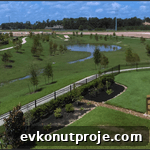
The report, “Harvesting the Value of Water: Stormwater, Green Infrastructure and Real Estate,” highlights the 51-acre Stonebrook Estates community in suburban Houston as a case study. Stonebrook’s innovative stormwater systems proved resilient during the heavy rains of the 2016 “Tax Day Flood.”
Details about Stonebrook’s stormwater approach and other sustainable drainage projects in Houston were previously reported by Realty News Report in an article by Michael Bloom, manager of the sustainability practice at Houston-based R.G. Miller Engineers.
Released at ULI’s Spring Meeting in Seattle, the Stormwater report examines how green infrastructure can both improve water management and add value to real estate by boosting operational efficiency and serving as a desirable amenity.
According to the report, green infrastructure refers to alternatives to conventional pipes-and-pumps systems, including rain gardens, bioswales and green roofs, often combined with water storage and reuse methods such as cisterns.
Bioswales are shallow, vegetated channels that capture and slow runoff, using engineered soils and infiltration systems to filter water and regulate flow. Permeable paving—porous asphalt, porous concrete and permeable pavers—also reduces runoff by allowing water to infiltrate the ground. Residential cisterns and larger rainwater harvesting systems can supplement these strategies, while green roofs retain rainwater and lower building energy use through added insulation.
“The development community is addressing the challenge of stormwater management with creative solutions that are not only conserving water, but also adding value and appeal to real estate projects across the nation,” said Katharine Burgess, director of ULI’s Urban Resilience Program, who led the research.
The report notes that while capturing stormwater with green infrastructure is not new, what has changed is the growing number of local governments establishing coordinated, citywide green infrastructure networks that include both public and private properties. Developers are increasingly adapting to new regulations by integrating green stormwater solutions into their standard project plans.
ULI concludes that innovative stormwater strategies can create value in multiple ways—by increasing potential development yield, offering tangible amenities to residents, lowering operating costs, and reinforcing broader placemaking goals. These strategies contribute to urban resilience and improve quality of life.
Although the U.S. Environmental Protection Agency sets national water quality and management standards, local stormwater practices vary widely based on market conditions, rainfall patterns and regional climate challenges. Despite those differences, several consistent themes are emerging where green infrastructure intersects with real estate development. Key findings include:
- Green infrastructure can improve environmental performance and be more cost-effective than large gray infrastructure projects while delivering additional community benefits.
- For developers, green stormwater solutions can free up more buildable land than traditional detention ponds and channels, creating cost-saving opportunities.
- Green infrastructure enhances property attractiveness and market value while helping to reduce long-term operating costs.
- A diverse set of green infrastructure policies and strategies can be adapted to different markets and contexts.
- Although implementing green infrastructure may involve a learning curve, the benefits—better amenities, improved aesthetics and stronger marketing appeal—often outweigh the initial investment.
- Real estate owners and operators value green infrastructure for its performance during extreme weather events and the added protection it provides to their investments.
May 3, 2017 Realty News Report Copyright 2017