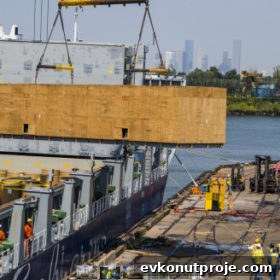
HOUSTON – (By Ken Pinto for Realty News Report) – As home sales across Texas and the nation continue to outpace the homebuilding industry’s capacity, demand has produced severe bottlenecks throughout the construction supply chain. These disruptions have driven material costs sharply higher, reduced availability, and lengthened delivery times.
According to the National Association of Home Builders, building material prices in March 2022 rose 20.4 percent year-over-year and have climbed roughly 33 percent since the start of the pandemic. Beyond widely reported lumber price spikes, other materials have jumped dramatically: copper wire rose 565 percent, aluminum wire increased 207 percent, and steel plate rose 89 percent.
Supply chain pressure extends far beyond raw material costs. Consider these examples and how interrelated impacts ripple through construction projects:

Houston hosts about 92 percent of U.S. petrochemical production, and the February 2021 winter storm that caused power outages and subzero temperatures severely disrupted those plants. More than a year later, the oil and petrochemical sectors are only beginning to recover. Petroleum products are not used solely for heating and fuel—many petrochemical derivatives are essential to construction: paint, acrylic stucco, plastic pipe, house wrap, vinyl windows, grout, composite countertops, switch plates, toilet seats, roof shingles and adhesives used in wood flooring, plywood, composite siding, cabinets and doors. Although plant capacity has largely been restored, allocations remain in place while suppliers work through backlogs amid continuing strong demand.
Lengthening lead times compound price increases. What used to be predictable no longer is. Window orders that once arrived in 7–10 days now take 12–30 weeks. Garage doors that were once available in a day may now require three months. As a result, new-home construction schedules that once ran about 95 working days (roughly six months) often stretch to eight to twelve months.
Solving any single bottleneck won’t return the supply chain to its previous state. While industry efforts to alleviate problems are significant, long-term change requires altering past practices and building more resilient systems—changes that take time. Other interconnected challenges include:
- Stalled shipping: Shipping containers are harder to source and many are stranded in the wrong places—abroad, on ships, trains, or stuck in ports and customs—disrupting global trade. Some used containers have been repurposed for pools, hydroponic gardens or tiny homes, reflecting both scarcity and creative reuse.
- Shortage of truck axles and chassis: The equipment needed to move containers by truck is in short supply, and the trucking industry in the U.S. faces a deficit of roughly 60,000 drivers. That shortage increases delays and raises costs for builders and consumers alike. In China, manufacturers face long queue times to secure trucks and container bookings; once ships reach U.S. ports, containers can sit awaiting offload for weeks. Even busy ports working near capacity struggle with space and logistics, constantly juggling incoming and outgoing containers.
- Labor shortages: Workers at every link of the chain—ship crews, truck drivers, factory assembly line workers and dock staff—are critical to smooth operations. Renewed COVID-19 lockdowns in China have shuttered factories at times, interrupting production of components destined for the U.S. Onshore, many factories remain understaffed despite multiple rounds of wage and benefit increases.
Despite these pressures, some builders in 2022 are still completing homes on schedules similar to 2019. What sets them apart is proactive supply chain management and improved vendor relationships. These builders act as preferred customers—paying quickly, maintaining clear communication, minimizing late change orders, and working respectfully with suppliers. They also share SKU-level demand forecasts with upstream partners and ask dealers to reserve incoming inventory so critical items are set aside in advance, ensuring availability when needed.
When asked whether conditions will return to the way they were, my view is probably not. The industry has changed, and builders that adopt stronger supply chain strategies will outperform those that continue to order reactively. Success will favor companies that study timelines and delivery patterns, strengthen supplier and dealer relationships, and use historical data to predict product demand and plan purchases well in advance.
May 2, 2022 – Realty News Report
Ken Pinto is a 40-year homebuilding industry veteran and author of “How Much is the Milk?”
File: The Supply Chain Crisis
Related: Houston Port to Benefit as Companies Shift Away From Over-reliance on China
Related: Port of Houston No. 1 U.S. port in waterborne tonnage
Photo: Courtesy Port of Houston