HOUSTON – (By Dale King, Realty News Report) – Working from home has emerged as one of COVID-19’s most enduring workplace shifts, allowing many traditionally office-bound employees to remain productive and maintain their incomes when commuting into dense urban towers became risky.
The question now is whether that trend will persist once the pandemic is behind us.
At the 54th annual Real Estate Journalism Conference hosted by the National Association of Real Estate Editors (NAREE) in early December, a real estate executive speaking with reporters suggested that offices—albeit adapted in design and location—are likely to remain essential long term, continuing to provide collaborative and creative environments.
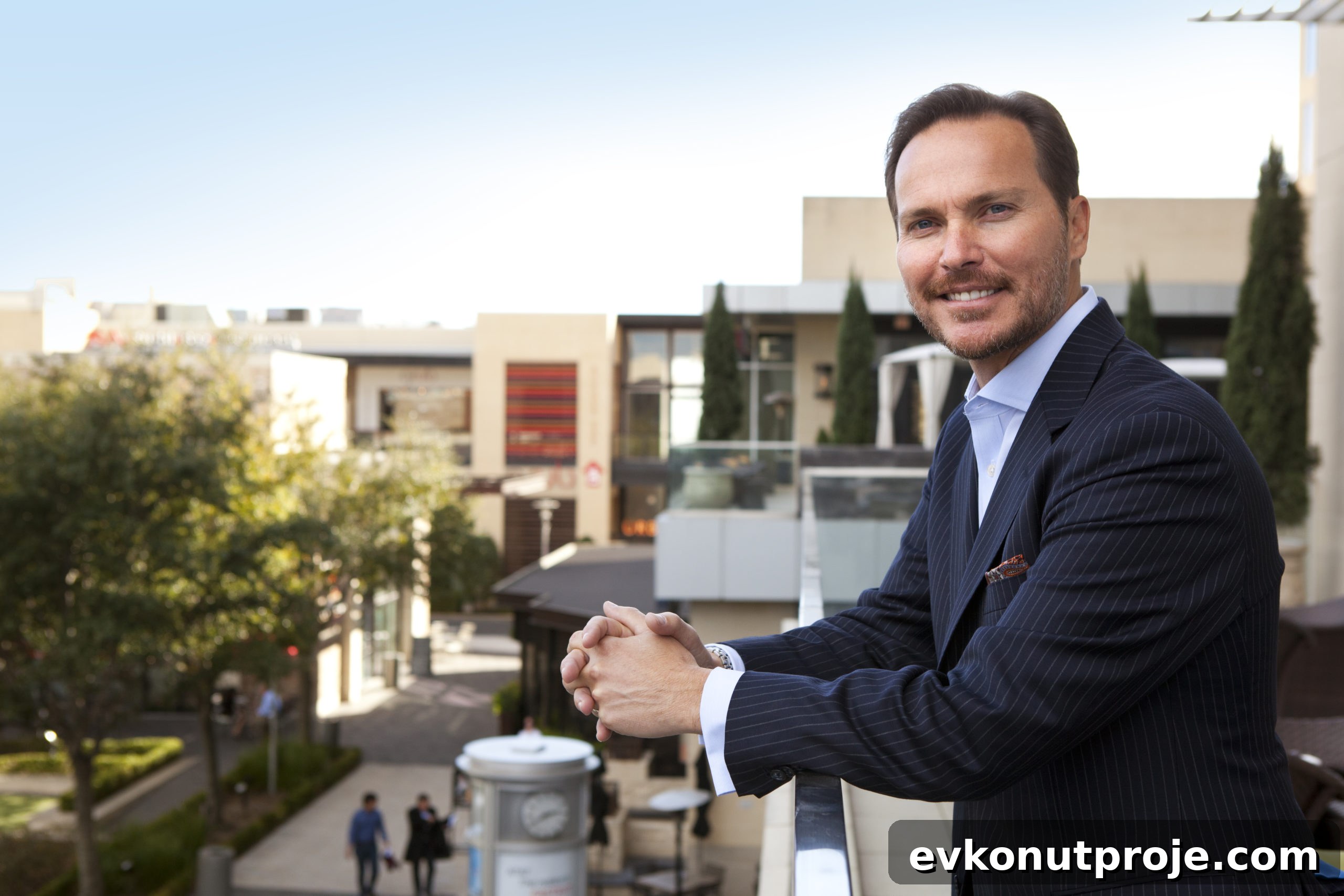
“A consensus is beginning to form among tenants and institutional partners. More and more companies feel that working from home, with no one in the office, is a detriment,” said Jonathan Brinsden, chair of ULI of the Americas for the Urban Land Institute and a leader at Midway, a real estate investment and development firm.
During a NAREE session titled “Reinventing Cities in the Post-COVID Environment,” Brinsden explored the implications of working from home for office demand and design.
He acknowledged that formal mentorships can be established remotely, but emphasized that informal mentorship—those spontaneous, in-person exchanges that occur when employees share the same physical space—rarely happens when people work entirely alone.
“The office is a culture and collaboration hub,” Brinsden said. “The question is, how do you make it so compelling that people will want to work in the office?”
He forecast that, once COVID is largely controlled, many workers will adopt a hybrid model, splitting their week between a central office and a dedicated home workspace.
Brinsden also suggested structural shifts in corporate real estate strategy: companies that previously operated from a single central office might move toward multiple smaller offices to reduce commuting times and better serve distributed teams.
He predicted that conventional, uniform office layouts may no longer meet evolving needs, and that flexible options—including co-working spaces—will remain part of the ecosystem.
“Co-working space has always been viewed as creative office space,” Brinsden said. “This environment allows employees to bring in contract workers and to use different spaces for different projects. People want co-working space.”
The NAREE panel, co-moderated by Nancy Sarnoff of the Houston Chronicle and freelance writer Joe Gose, began by examining the ongoing movement of businesses toward the suburbs. Brinsden noted that COVID-19 accelerated a trend that was already underway, particularly migration to suburban and Sun Belt locations, but he stressed that cities will continue to play a vital role.
“COVID accelerated the move to the suburbs and the Sun Belt,” he said, “but that migratory pendulum will not swing as far as some fear.”
Brinsden pointed out that suburban migration reflects long-standing demographic shifts and will continue, but urban centers retain strong demand drivers and unique livability attributes.
In response to pandemic-related declines in downtown activity, many cities have implemented quick, low-cost solutions—like expanded outdoor dining, temporary pocket parks, and new bike lanes—to enhance livability without major capital projects.
Dec. 18, 2020 Realty News Report Copyright 2020
File: Post-Covid Office Space Needed
Caption: ULI’s Jonathan Brinsden of Midway discusses development issues with Nancy Sarnoff of the Houston Chronicle and writer Joe Gose at #NAREE2020 virtual conference. Photo credit: NAREE
File: (2) ULI. Jonathan Brinsden, Midway, Urban Land Institute. Joe Gose, Nancy Sarnoff. Post-Covid Office Space Needed. 12-18-20. NAREE. #NAREE2020.