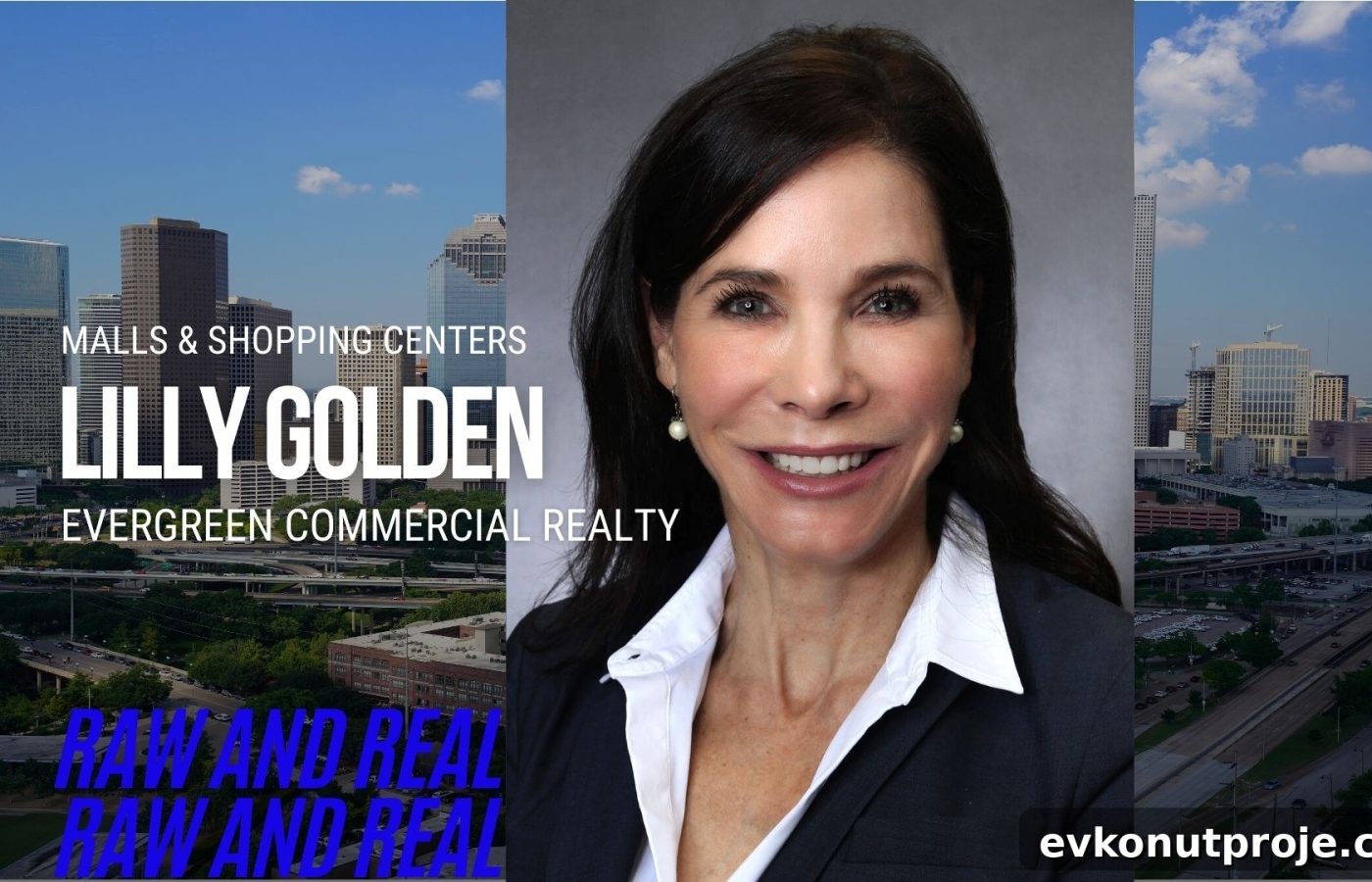
Lilly Golden Discusses the Future of Retail, Malls and Shopping Centers in Houston
HOUSTON – (Realty News Report) – Lilly Golden is the principal and founder of Evergreen Commercial Realty, a firm focused on shopping centers and retail real estate. Her portfolio includes prominent retail and mixed-use properties across Houston’s Galleria and Katy submarkets.
Lilly Golden recently appeared on THE RALPH BIVINS PROJECT, a podcast produced by Realty News Report, to discuss retail trends, the pandemic’s impact on shopping behavior, and what the future looks like for shopping centers and malls—particularly in Houston.
Ralph Bivins: Today we’re talking about retail, malls and shopping centers. With so much retail shifting online during COVID, now that we are emerging from the pandemic, what is the current state of retail nationally and here in Houston?
Lilly Golden: I’m relieved that we’re past the phase of constantly drafting rent deferral agreements. We’re already working on new leases and deals, which is encouraging. Consumers and businesses have built up significant savings during the pandemic, and combined with government relief, that financial cushion should allow many tenants to address deferred rent and stabilize shopping centers. In Houston specifically, we opened earlier and stayed open longer than many markets. We’ve recorded two positive quarters of absorption and saw vacancies worsen by only about 100 basis points, bringing overall vacancy to roughly 6.9%. I expect positive absorption to continue this year and for the market to be in much better shape by late 2022.
Ralph Bivins: There has been a boom in home buying and a major shift toward remote work. Given the old principle that “retail follows rooftops,” how do you see the retail landscape changing in Houston’s outer suburbs?
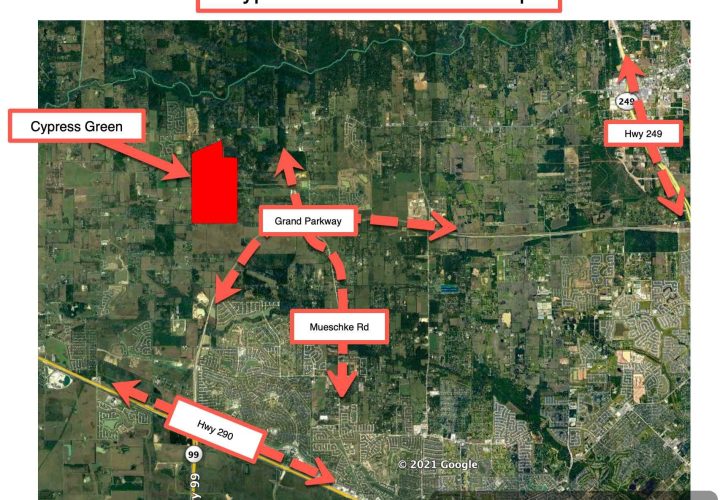
Lilly Golden: Development is already pushing outward—from Willis down to Manvel—and I anticipate continued growth along the Grand Parkway and the outer loop, including places like Baytown and Webster. Most new retail in these areas is grocery-anchored or located near supermarkets, because those draws generate consistent traffic. That’s important because construction costs are high and leverage is tight; developers need to be confident a center will perform before breaking ground. As new home construction continues, we’ll watch to see whether retail truly follows rooftops in the coming years.
Ralph Bivins: Willis and Woodland Hills have seen rapid growth. What effect have anchors like Kroger had?
Lilly Golden: Strong-performing grocery anchors can catalyze entire neighborhoods. When a grocery store posts solid sales, it validates the location and brings in other retailers and developers. That’s what happened in those areas—grocery success spurred further development and demand.
Ralph Bivins: What are developers and retailers looking for when choosing sites?
Lilly Golden: They focus first on demographics and traffic. A high-end retailer needs a sufficient number of nearby households at the right income level and a traffic count that delivers consistent customers. If a retailer can’t generate adequate sales from the trade area, they won’t be able to sustain rent. For that reason, matching tenant type to local demographics and traffic is crucial.
Ralph Bivins: Grocery-anchored centers seem especially desirable. Why do grocery anchors matter so much?
Lilly Golden: Grocery stores serve daily needs and bring steady foot traffic—people visit multiple times per week. Even with the rise of click-and-collect and grocery delivery, most shoppers still make in-person trips regularly. That reliability creates a stable platform for surrounding retailers. There’s also a “flight to quality and safety,” meaning consumers prefer well-maintained, convenient shopping environments anchored by a trusted supermarket.
Ralph Bivins: How are large-format and discount retailers faring?
Lilly Golden: Big-box stores that offer experiences or goods hard to replicate online remain strong. Target continues to perform well because customers enjoy the in-store experience. Off-price and discount chains like Ross, Burlington and TJ Maxx benefit from the “treasure hunt” appeal—shoppers find unique deals they can’t always get online. Categories inherently resistant to e-commerce will continue to hold value in big-box and power-center formats.
Ralph Bivins: Regional malls have struggled. What’s next for malls that have been under pressure?
Lilly Golden: Top-tier, A-quality malls are largely stable—iconic centers like the Galleria will remain important destinations. But many B and C quality malls are under stress and must reinvent themselves. Some are repurposing interiors for new uses, others are being redeveloped entirely. C-quality properties might be demolished and replaced with mixed-use, residential, or other commercial uses. Each project needs to be evaluated individually, though most sit on valuable land that can accommodate alternative uses. Greenspoint in Houston is an example where investors are reimagining a dated mall site.
Ralph Bivins: Are you seeing new retail concepts emerge?
Lilly Golden: Right now, most innovation is coming from established brands testing updated prototypes. Examples include drive-thru lanes for Starbucks, Walgreens’ smaller-format designs, Dollar General introducing concepts aimed at suburban women, and restaurant wholesalers selling directly to the public. Large warehouse retailers are experimenting as well—some clubs are converting locations into fulfillment centers, and other wholesale models are evolving. I expect more tangible concept rollouts once the pandemic recedes; 2022 will likely be a year for new announcements.
May 11, 2021 Realty News Report Copyright 2021
Additional reading: For more on Texas real estate, Ralph Bivins’ book Houston 2020: America’s Boom Town — An Extreme Close Up includes an in-depth look at developments such as La Centerra in Cinco Ranch and broader market context.