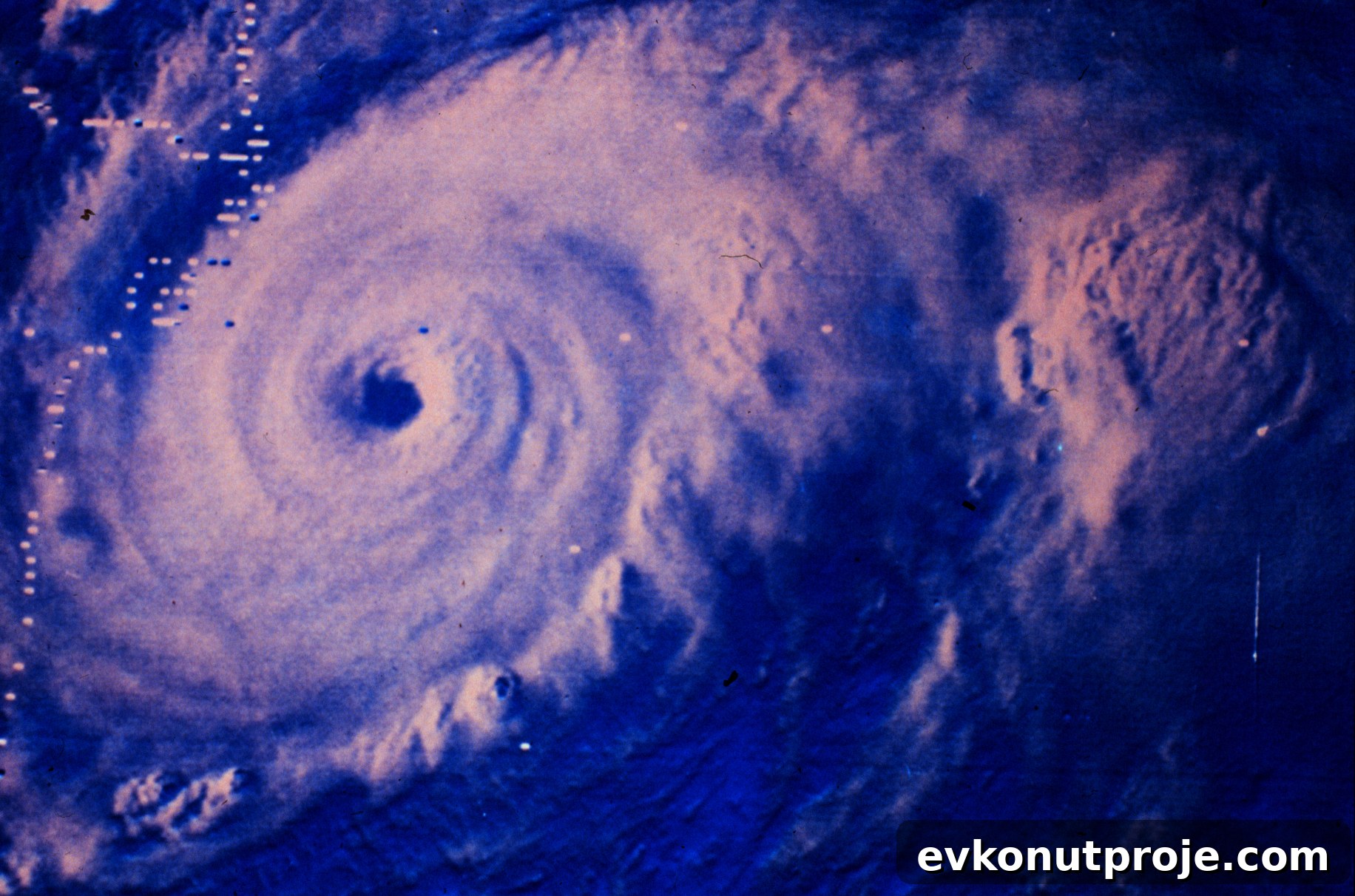
HOUSTON – (By Dale King, Realty News Report) — As August arrives, the United States moves into the middle portion of the 2021 hurricane season, the period historically most likely to produce the strongest and most numerous storms.
Many Houston residents remain cautious, still remembering the intense rain, wind, storm surge and widespread property destruction left by Hurricane Harvey four years earlier. Coastal cities like Houston, New Orleans and parts of Florida’s Gulf Coast are especially anxious because of their proximity to the warm waters of the Gulf of Mexico, which can fuel powerful storms.
Bill Pekny, a meteorologist with more than 50 years of experience tracking hurricanes and studying atmospheric science, said that hurricane activity in June and July 2021 “lived up to the pre-season prediction of being an active, but not unprecedented, year.”
Interviewed in late July, Pekny—whose background includes service in the U.S. armed forces and work in the aerospace industry—offered practical advice for Houston residents as the season progresses:
“Hurricanes occur along the Texas Gulf Coast. They are devastating if you are hit or flooded by them. There is nothing ‘normal’ about them, but they are cyclic weather events. When you review climate history, they are not clearly getting worse or better. Be prepared as best you can and follow instructions from local authorities and the Federal Emergency Management Agency (FEMA) about what to do and what not to do.”
“There is a lot of fear that hurricanes are becoming more frequent and more severe,” he continued. Pekny is the author of “A Tale of Two Climates: One Real, One Imaginary.”
“Earth’s climate has always changed and continues to change. Right now the planet is warming slightly, through natural processes as well as other factors, and that warming can have beneficial as well as harmful effects depending on context.”
Pekny emphasized that increased coastal development is a major reason for rising monetary losses when storms hit. “We keep building more expensive homes, hotels and resorts in high-risk coastal areas. When hurricanes make landfall, they cause more property damage simply because there is more valuable infrastructure in harm’s way. The core issue is increased development in vulnerable zones, not necessarily an increase in storm frequency or intensity.”
He noted that, according to long-term records, hurricanes in the North Atlantic basin—which includes the Caribbean and the Gulf of Mexico—are not showing a clear upward trend in frequency or intensity. “Global assessments likewise do not show a long-term increase in tropical cyclone numbers,” Pekny said, referencing assessments by major scientific bodies.
Pekny also placed current warming in a geological context. “We live in an interglacial warming period, part of a long-term cycle that alternates roughly 100,000-year ice ages with about 15,000-year interglacial warm periods. Today we are roughly 12,500 years into our current interglacial. Understanding these long cycles helps clarify how climate varies over millennia.”
He stressed the important distinction between weather and climate. “Weather is event-based—what is happening in your backyard right now, hour to hour or day to day. Climate is a long-term, large-area average of weather patterns; by climate I mean at least 30 years of data. Confusing the two leads to misunderstanding and poor analysis. A few extreme weather years do not by themselves prove a long-term climate trend.”
Pekny pointed out that some short-term storm metrics have changed. “So far this season the U.S. has recorded 17 named storms versus a historical average of about 14 at this point in the season. However, only one tropical storm—Tropical Storm Elsa—has made a notable landfall this year in the North Atlantic basin. Elsa produced heavy rain in parts of Florida and along the Atlantic seaboard before dissipating.”
“We have seen an increase in short-duration tropical storms—those that last less than two days—while storms persisting longer than two days have not increased noticeably,” he added. “The longer-lived storms are the most destructive, as we saw with Hurricane Harvey, which stalled and dumped enormous amounts of rain on Houston. Harvey made landfall as a Category 4 storm on Aug. 25, 2017, caused an estimated $125 billion in damage and produced unprecedented flooding.”
Aug. 1, 2021 Realty News Report Copyright 2021
For more about Texas real estate, see the book Houston 2020: America’s Boom Town – An Extreme Close Up by Ralph Bivins. Available in ebook and print editions.
Image: Courtesy National Oceanic and Atmospheric Administration (NOAA)
August Brings Hurricane Heat to Houston and Gulf