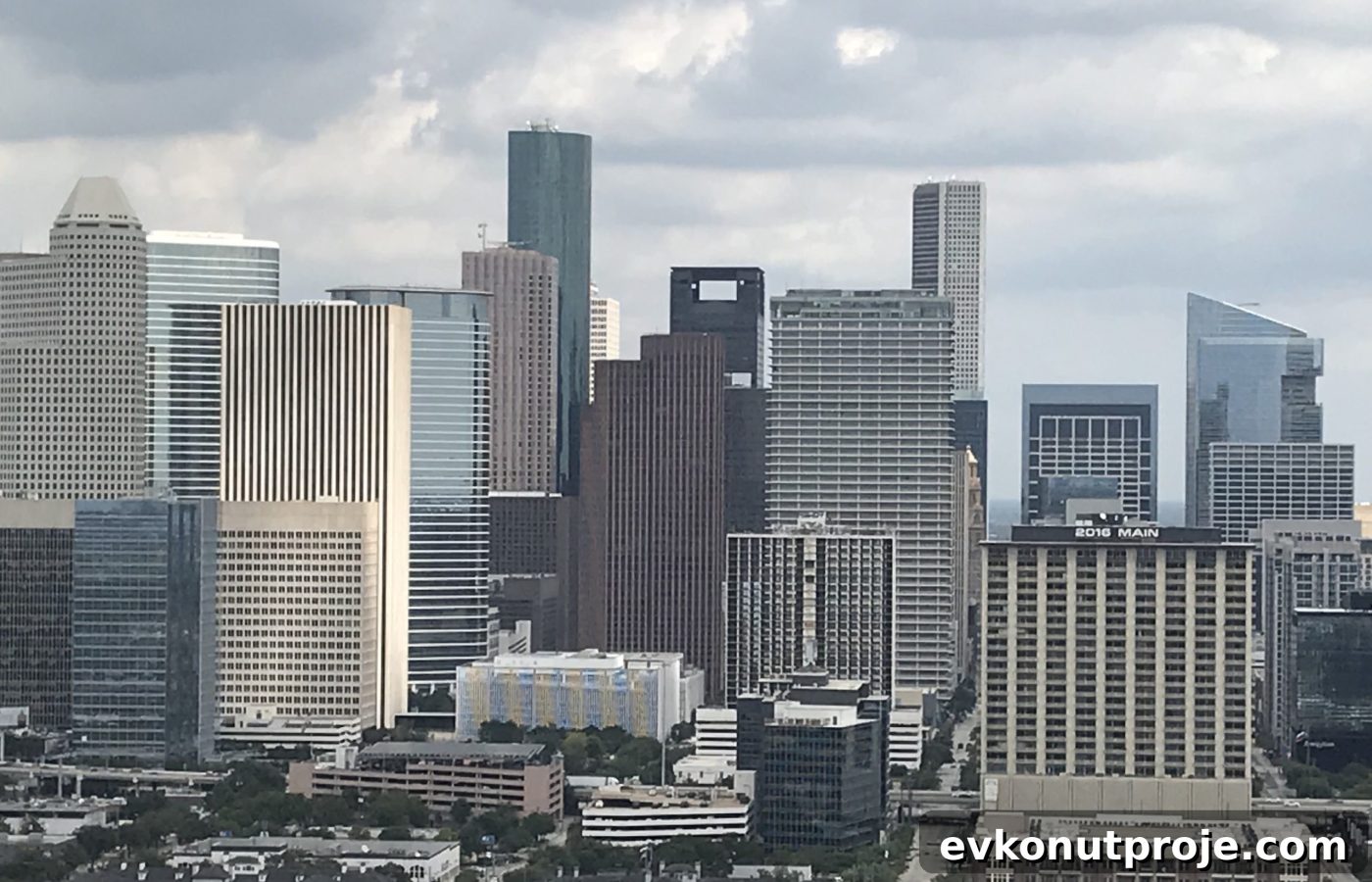
Remembering when acclaimed landscape architect James D. Burnett discussed downtown Houston, the potential removal of the Pierce Elevated, and the idea of building a deck park over TxDOT’s proposed freeway near the George R. Brown Convention Center.
HOUSTON – (Realty News Report, Ralph Bivins, Editor) – James D. Burnett, founder of the landscape architecture firm the Office of James Burnett, gave an extended interview to Realty News Report in the summer of 2016.
Burnett, recipient of the American Society of Landscape Architects Design Medal for his lifetime achievements, spoke at length about transformative ideas for downtown Houston and how major infrastructure decisions can create opportunities for public green space.
As discussions continue about overhauling downtown Houston’s freeway system and adding more urban parks, we revisit Burnett’s insights from that interview:
Realty News Report: Your firm designed Dallas’ Klyde Warren Park, which created visible green space and reconnected a neighborhood split by an eight-lane freeway with the Dallas Arts District and downtown. What inspired that project?
James D. Burnett: Klyde Warren Park was less inspired by a specific site than by an idea: to create an inclusive park for everyone. We deliberately avoided an ego-driven monument and instead conceived a series of outdoor rooms tailored to different activities. The goal was an active community place where all programs are free and diverse—children’s play areas, open lawns for games, interactive water features, Texas native botanical interest gardens and a dog park. Equally important was accommodating informal, everyday uses: birthday gatherings, outdoor meetings, spur-of-the-moment family get-togethers, festivals and large performances. The driving idea was to create a place where people would choose to spend their precious free time—a welcoming downtown backyard where people come to watch others, exercise, walk their dogs and reconnect with nature in an urban environment. From a design standpoint, we looked forward, aiming for an intelligent landscape strategy that combined native plantings, careful lighting, engaging water features and rich architectural detailing. Klyde Warren Park is not just green space; it is a comfortable, well-designed urban room that invites long-term community attachment.
Realty News Report: Can a project like Klyde Warren be replicated in other cities?
James D. Burnett: The underlying concept—covering a freeway and knitting neighborhoods back together—can and should be replicated. Every city has its own character and should receive a park that expresses that identity. The idea of creating roughly five acres of open space to heal a divide is broadly applicable, but the specific design must respond to local conditions. Chicago, Phoenix and Atlanta would each produce distinct versions that reflect their climate, culture and urban fabric.
Realty News Report: Funding and long-term maintenance were integrated into Klyde Warren’s operations plan. With public funds often limited, how critical is a robust fundraising and maintenance strategy?
James D. Burnett: It’s absolutely critical. Sustainable funding is the lifeblood of any cultural or civic space. You can’t build a great park and leave its future uncertain. Projects need contingencies, endowments and active community support. That backing doesn’t always have to come from tax dollars; it can come from individuals, foundations and organizations that feel ownership of the space. People are eager to support parks when they can see their role in sustaining them.
Realty News Report: In Houston there has been discussion about removing the Pierce Elevated freeway. If that structure were removed, what do you think about converting the corridor into a park?
James D. Burnett: I support the idea of removing the Pierce and turning that corridor into public open space. A linear park could dramatically transform the district, reclaiming a lost part of the city and providing neighbors with valuable green space. It would be a meaningful step toward reconnecting the urban fabric.
Realty News Report: TxDOT has explored lowering freeways near the George R. Brown Convention Center to allow movement eastward and to potentially create a deck park similar to Klyde Warren. Is that feasible?
James D. Burnett: Absolutely. There are dozens of new deck parks being planned across the United States, and many of them are in downtown areas similar to eastern Houston. These green bridges reconnect neighborhoods and can create significant positive change, as Klyde Warren demonstrated for Dallas. A deck park near the convention center could be a game changer for Houston’s urban landscape.
Realty News Report: What other landscape and urban design opportunities do you see for downtown Houston?
James D. Burnett: Downtown needs more pedestrian-friendly streets: narrower travel lanes, wider sidewalks, robust street trees, on-street parking and frequent pocket parks. Workers and residents should have many accessible outdoor places to take a break and connect with nature. Great cities do not rely on a single signature space; they build a network of quality public open spaces. Houston has already made progress, but substantial opportunities remain to reshape the downtown experience through connected parks, shade and better streetscapes.
Originally published July 12, 2016 by Realty News Report, edited by Ralph Bivins.
Aug. 2, 2021 Realty News Report. Copyright 2021.
Photo credit: Ralph Bivins of Realty News Report. Copyright 2021.
For readers interested in Texas real estate, consider the book Houston 2020: America’s Boom Town — An Extreme Close Up by Ralph Bivins (ebook and print editions available).
File: Advice for Downtown Houston — James Burnett.