HOUSTON – (By Dale King, Realty News Report) – Apartment rents in Houston have trended upward through early 2021 after a turbulent period in 2020. A review of ApartmentData.com’s pricing and occupancy charts shows the familiar seasonal fluctuations, but a clear upward movement emerges as the market moves into spring. After reaching a low point in December 2020, when average rents sat near $1,040 and occupancy fell just above 87%, both rent and occupancy have begun to recover.
By May 2021, the ApartmentData.com report indicates Houston’s apartment occupancy had climbed to 89.6%, with average rents for a typical 886-square-foot unit around $1,073 per month. Leasing activity accelerated in April, when nearly 5,400 apartment units were absorbed into the market—one of the strongest monthly performances in recent years. ApartmentData.com president Bruce McClenny notes that April’s absorption figures rank among the best quarterly performances since 2015.
Seasonality and economic reopening are the primary drivers of this momentum. As leasing season intensifies and pandemic-related restrictions ease, the report suggests rental demand will likely strengthen further over the following months. McClenny observed that, with the recovery progressing, he would not be surprised to see a more pronounced jump in occupancy and rents over the next two to three months.
Segmentation by property class shows additional signs of recovery. After widespread rent declines across Class A, B, C and D properties in 2020, three of those four classes have moved back into positive territory in 2021. As of March 31, 2021, Class A rents rose by $39 per month, Class B by $12, and Class C by $2. Class D remained lower by $8 compared with the prior period, but the decline was modest relative to last year’s drops. Over the entire 2020 calendar year, all four classes collectively recorded a small net decline, with average rents falling about $9 per month.
Looking at year-over-year performance, Houston’s rent growth has recovered from the pandemic shock but has not yet surged. In the past 12 months rent rose around 0.6% and nearly 18,000 units were absorbed. This measured growth reflects the balance of renewed demand and the ongoing supply pipeline in the region.
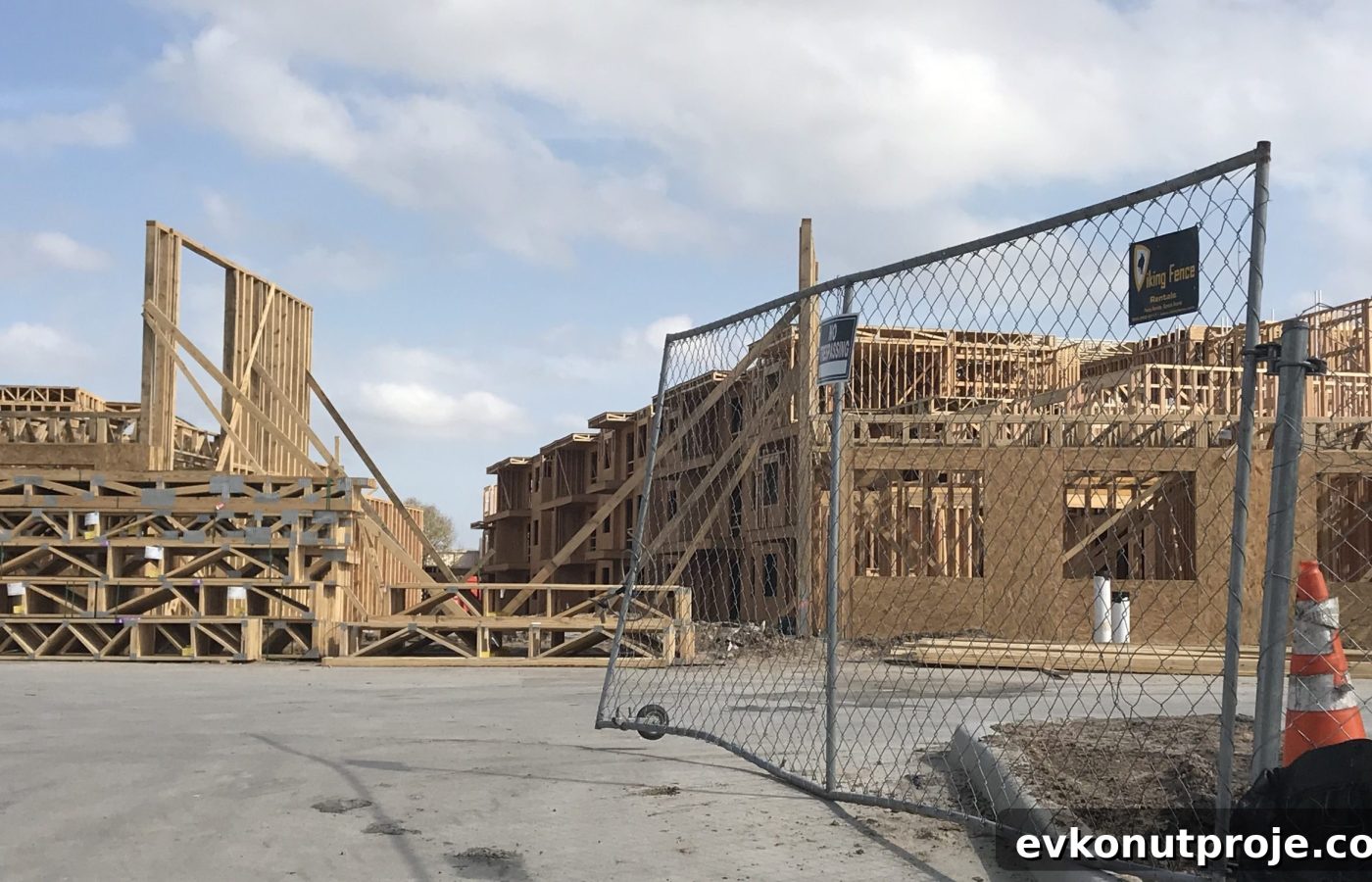
Houston: 17,000 Units Under Construction
The region’s development pipeline remains active. Over the past 12 months, 80 new communities with 22,368 units opened across Houston. Another 64 communities accounting for 16,954 units are currently under construction, and 97 proposed communities would add roughly 28,059 units if completed. This continued construction activity will shape supply conditions and rental dynamics in the near to medium term.
Within the city, several neighborhoods stood out as especially strong during the most recent quarter. Apartment absorption and rent growth were notably pronounced in five submarkets:
- The Heights/Washington Avenue area saw strong growth of 23.8% with an absorption rate of 4.9% of available units.
- Katy/Cinco Ranch/Waterside recorded an 18.5% increase in rents and absorbed 3.5% of available apartments.
- The Woodlands/Conroe South posted an 18.4% rise with a 3.0% absorption rate.
- Montrose/Museum/Midtown—a higher-end, established submarket—grew 20.6% and absorbed 2.5% of its available units.
- Lake Houston/Kingwood expanded by 14.9%, with apartment absorption at 3.6%.
Employment trends also influence rental demand. Houston experienced a sharp employment decline in 2020 when job growth fell from a 1.7% increase in 2019 (roughly 54,400 jobs) to a contraction of about 6.5% in 2020, which translated to more than 206,000 jobs lost. Early 2021 shows improvement, with payrolls rebounding by approximately 60,000 jobs, or around 2.0% growth year-to-date, supporting renewed renter demand.
The ApartmentData.com report also highlights conditions across other major Texas markets. Dallas/Fort Worth reported a 91.4% occupancy rate and average rents of $1,216 for an 878-square-foot unit, with 25,232 units absorbed over the prior 12 months (approximately 3.1% rent growth). San Antonio posted a 90.4% occupancy rate and average rents near $1,018 for an 856-square-foot apartment, with rent increases near 2.8% and 8,461 units absorbed. Austin showed a 90.0% occupancy rate, average rents around $1,335 for an 875-square-foot unit, a 1.2% rent increase, and 10,171 units absorbed during the same period.
May 12, 2021 Realty News Report Copyright 2021
For more about Texas real estate, see the book Houston 2020: America’s Boom Town – An Extreme Close Up by Ralph Bivins. Available on Amazon.