Market briefs
Lionstone Moves to Shut-Down Mode, Market briefs
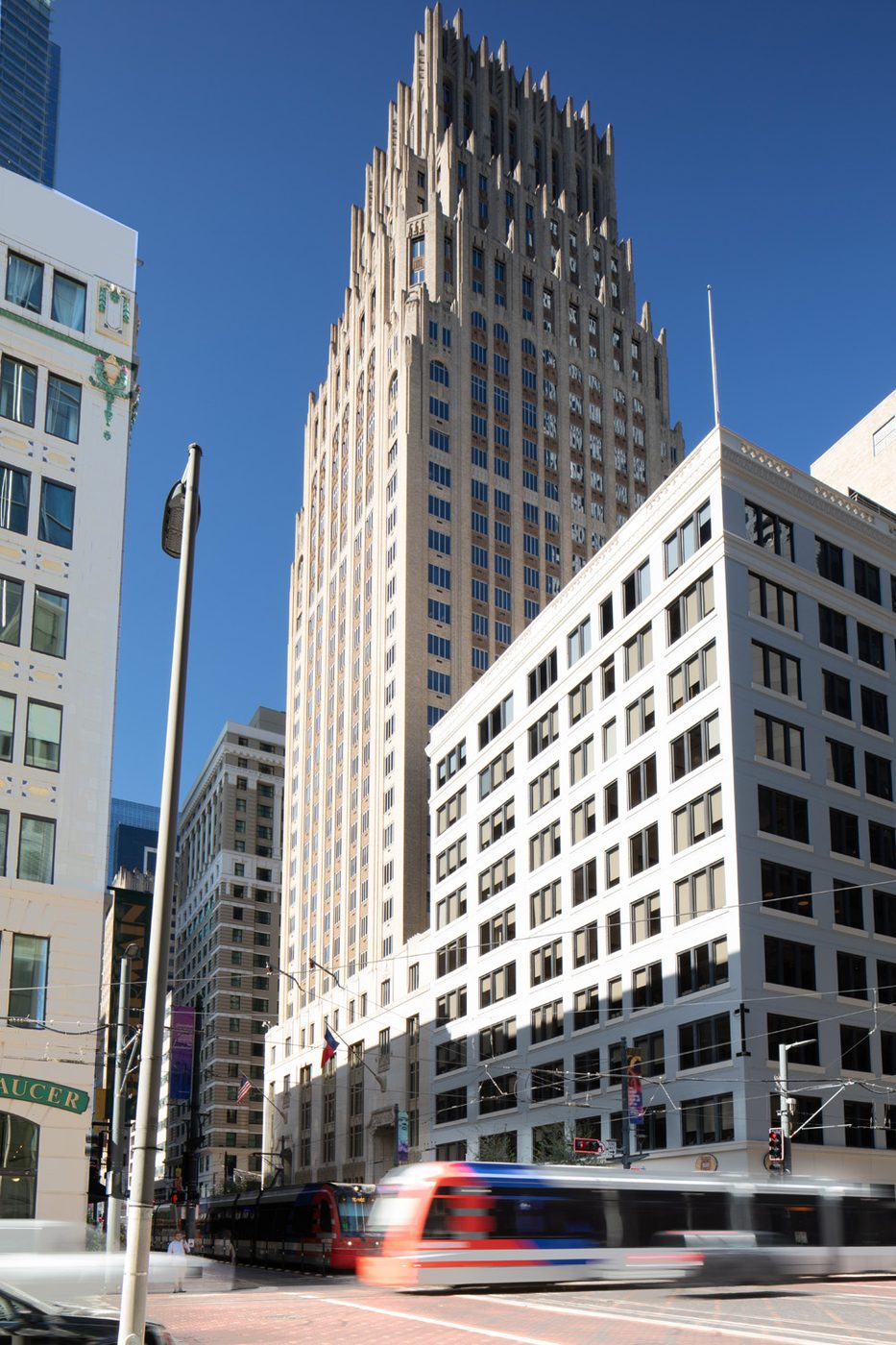
In Houston, Lionstone Investments, a prominent force in downtown Houston redevelopment and manager of a $5.5 billion national real estate portfolio, is winding down its operations.
Lionstone’s parent company, Ameriprise Financial, reported in a press release that it has “decided to wind down Lionstone Investments” and “exit this business after a strategic evaluation.”
The properties that are managed by Lionstone will be turned over to new investment managers. Founded in 2001, Houston-based Lionstone built an expansive and diverse portfolio with multi-use, office, retail and multifamily properties in 17 cities across the nation. The firm made its mark acquiring and redeveloping a number of historic or unique assets. In 2017, Lionstone was purchased by Columbia Threadneedle Investment, a subsidiary of Ameriprise Financial.
Lionstone Co-Founder and Chairman Dan Dubrowski left Lionstone on Oct. 1.
Dubrowski’s pending departure and questions about the future track of Lionstone were first reported in August by Houston journalist Ralph Bivins of Ev Konut Proje.
Some people in the real estate community say the purchase and merging of Lionstone into the Threadneedle/Amerprise organization was not easy to digest.
“Together, we confronted wrenching secular events like the Great Recession and a global pandemic, and thorny management challenges like transitioning from a founder-led organization to an intergenerational partnership and ultimately to part of a global financial conglomerate,” said former Lionstone CEO Bryan Sanchez as he left Lionstone in October, 2023.
Lionstone’s asset management portfolio includes office, multi-use, multifamily and retail properties. The nation’s office market has faced growing pressure in the post-Covid era.
As the nation’s office market grew more competitive in today’s high interest-rate environment and office vacancies increased, many institutional investors and lenders have become impatient about the performance of the office buildings in their portfolios. That kind of impatience will lead to shakeouts at various real estate investment organizations.
Earlier this year, Lionstone sold its downtown masterpiece, The Jones on Main, a pair of historic office buildings in the 700 block of Main Street. One of the towers, a 34-story structure at 712 Main was once the headquarters of Gulf Oil and it was topped with a 50-foot orange Gulf disk for decades. In 2018, the Finn Hall food hall opened in The Jones on Main. Developed with project partner Midway, Lionstone recently sold the Jones on Main to Wideman Co. of Orlando.
Lionstone is leaving its mark on the Houston real estate market.
In 2015, Lionstone partnered with Midway in the 570,000-SF GreenStreet multi-use development. The project, called Houston Pavilions when it opened in 2009, stretches along three blocks of Dallas Street in downtown Houston. The Rebees firm, led by former Lionstone executive Tom Paterson, is now repositioning GreenStreet.
Lionstone was also an unsuccessful bidder to acquire and redevelop the downtown postal facility, which was bought and developed as Post Houston by Lovett Commercial.
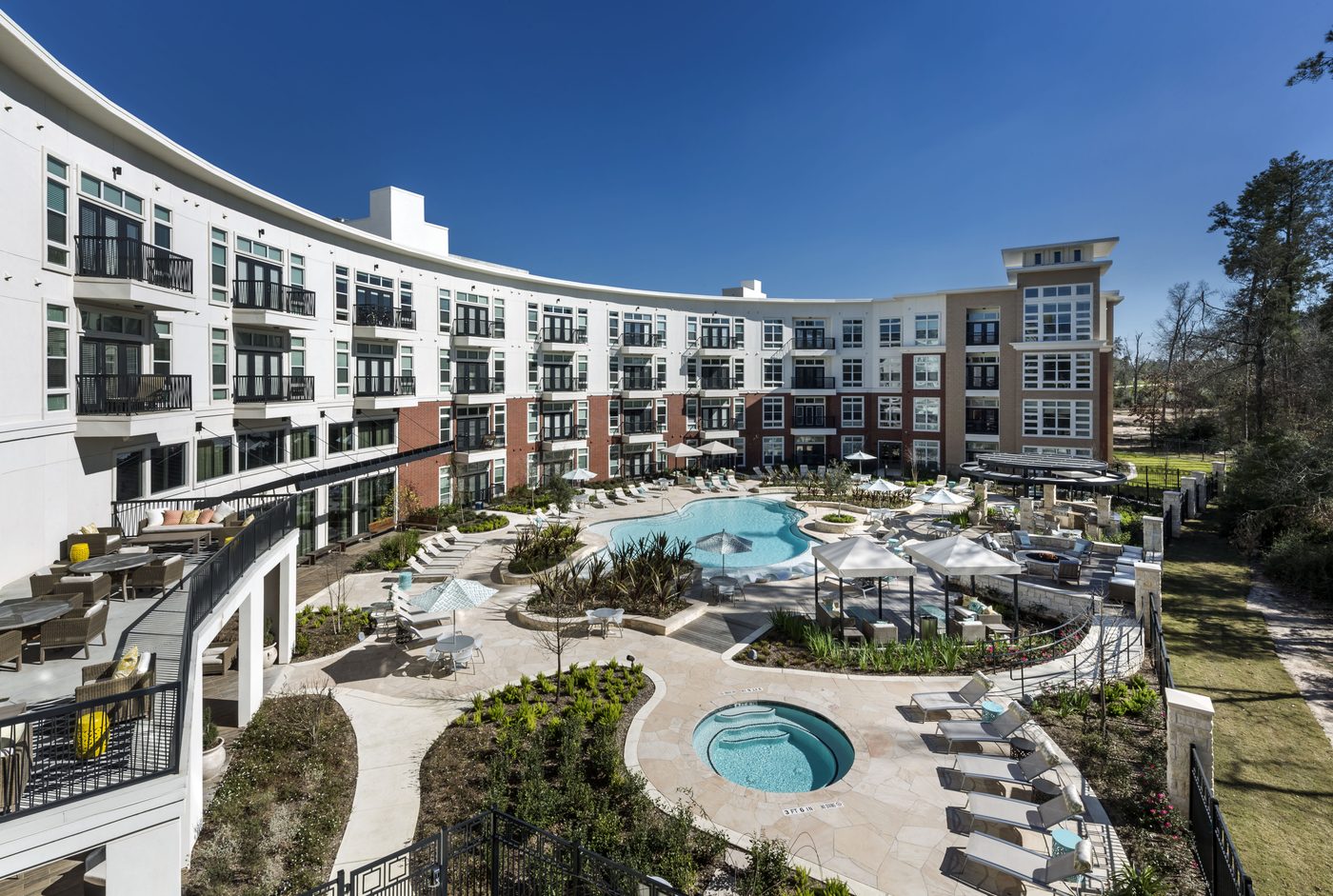
Lionstone’s portfolio in Houston has included a 324-unit apartment tower at Autry Park; The James 344-unit multifamily development on Mid Lane; the City Centre Five building in West Houston; and Sugar Land Town Square, which has 1.3 million SF or retail and 1.3 million SF of office in Fort Bend County, as stated by the Lionstone website.
In Austin, Lionstone’s portfolio has included the 504,000-SF One American Center tower on Congress Avenue; in addition to real estate in Atlanta, Los Angeles, Denver, Seattle, Dallas, Nashville, Pittsburgh, Raleigh, Washington DC, and the Bay Area of California.