Market briefs
NAR’s Chief Economist Speaks Out: On Recession Possibilities; Mortgage Rates; & a Texas Hot Spot
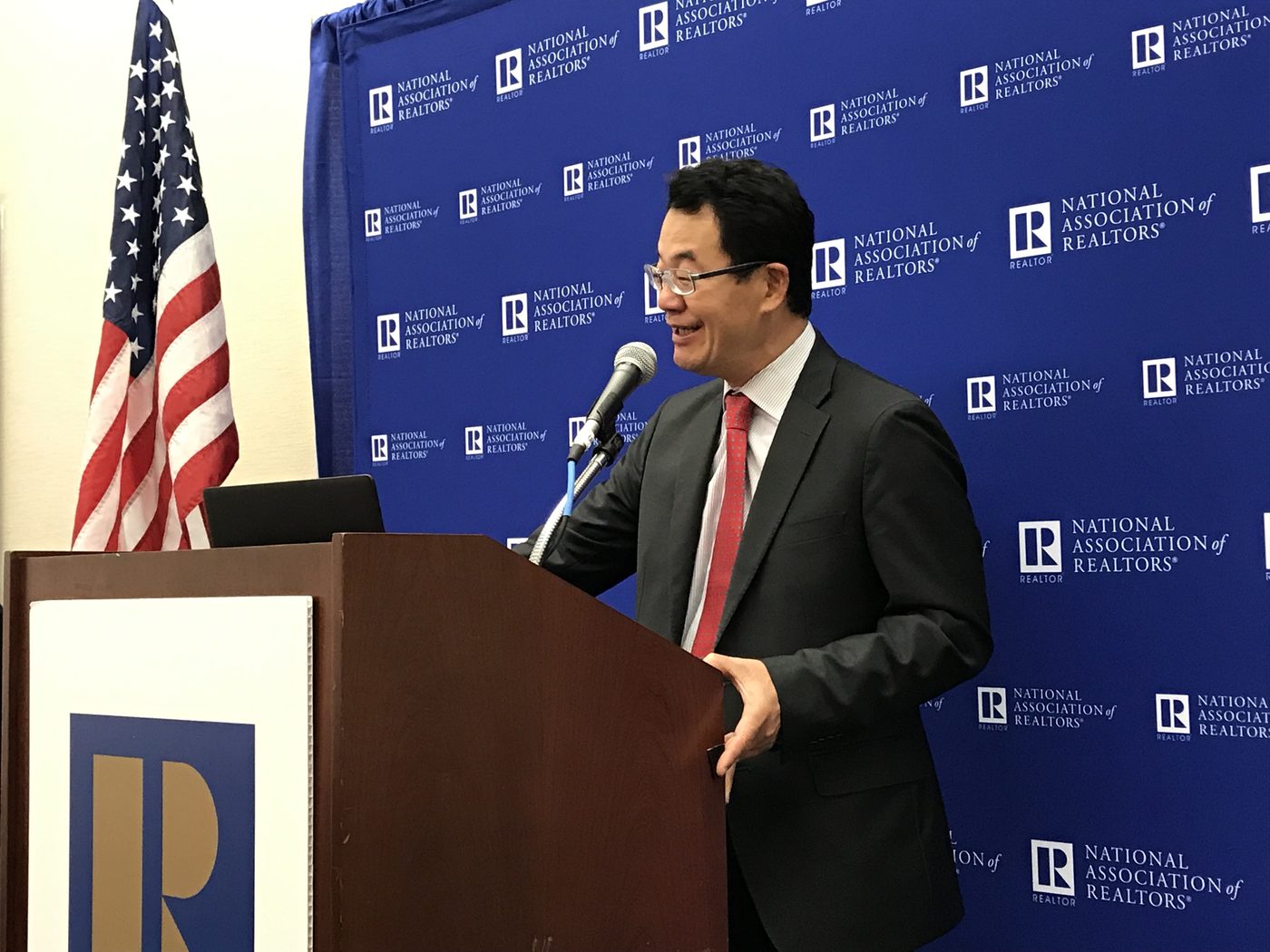
Lawrence Yun, chief economist of the National Association of Realtors speaks at a press conference in San Francisco. Photo credit: Ralph Bivins, Ev Konut Proje
In San Francisco, Houston is doing surprisingly well even after Hurricane Harvey, reports the chief economist of the National Association of Realtors.
“It (Houston) is one of the better markets in the country with rising home sales and rising home prices,” added economist Lawrence Yun.
Speaking at NAR’s Residential Economic Issues & Trends Forum at the National Association of Realtors’ annual conference in San Francisco, attended by more than as 20,000 Realtors, Yun added Texas “has overall is also performing well and easily above the national average in job growth.”
Overall, the outlook for the future is favorable, Yun stressed. “We will not have a recession, and will see a baseline growth rate of 1.5 percent for 2020,” he added.
Because the country has gone more than 10 years without one, Yun continued, some analysts believe the country is “due for a recession.” But Yun counters that theory, saying that current conditions are better than they were before other recessions.
Still, the U.S. is in need of more new housing. “Historically, anytime that we have needed to build, there was never a recession, he added. “This is an incentive for builders to start more construction. If they do, I think we will have at least 12 consecutive years of economic expansion.”
New and existing-home sales are slated to increase, he added, a result of current low unemployment rates across the country. “Every state is creating jobs,” he continued. “Some states are doing it faster than others, but we see job creation in every state. That and lower mortgage rates are helping first-time buyers get into the market.”
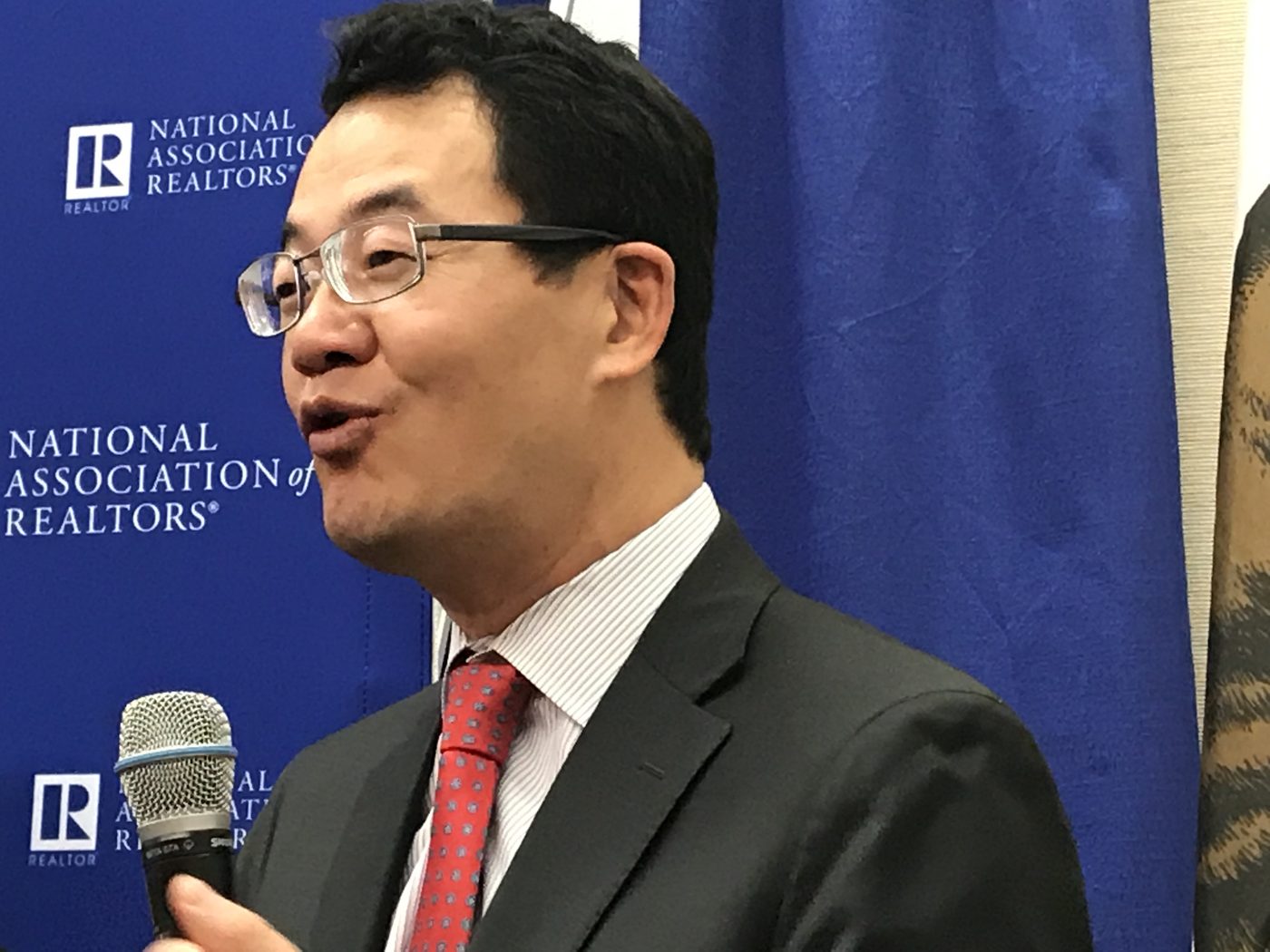
Lawrence Yun, NAR’s chief economist, predicts mortgage rates will remain below 4 percent in 2020. Photo credit: Ralph Bivins, Ev Konut Proje.
Interest rates are slated to remain low, Yun said, “as long as we have government backing of mortgage backed securities. But mortgage rates may increase as inflation kicks in and economic activity markedly picks up.” He predicts typical mortgage rates will be below 4 percent through 2020.
Rates “are more tied to communication, not policy,” he added. “In prior years, mortgage rates dropped just based on the Fed’s consideration of policy changes, not actual changes,” Yun explained.
Yun said there has been under building of houses for years and buyers are facing higher housing costs as a result.