
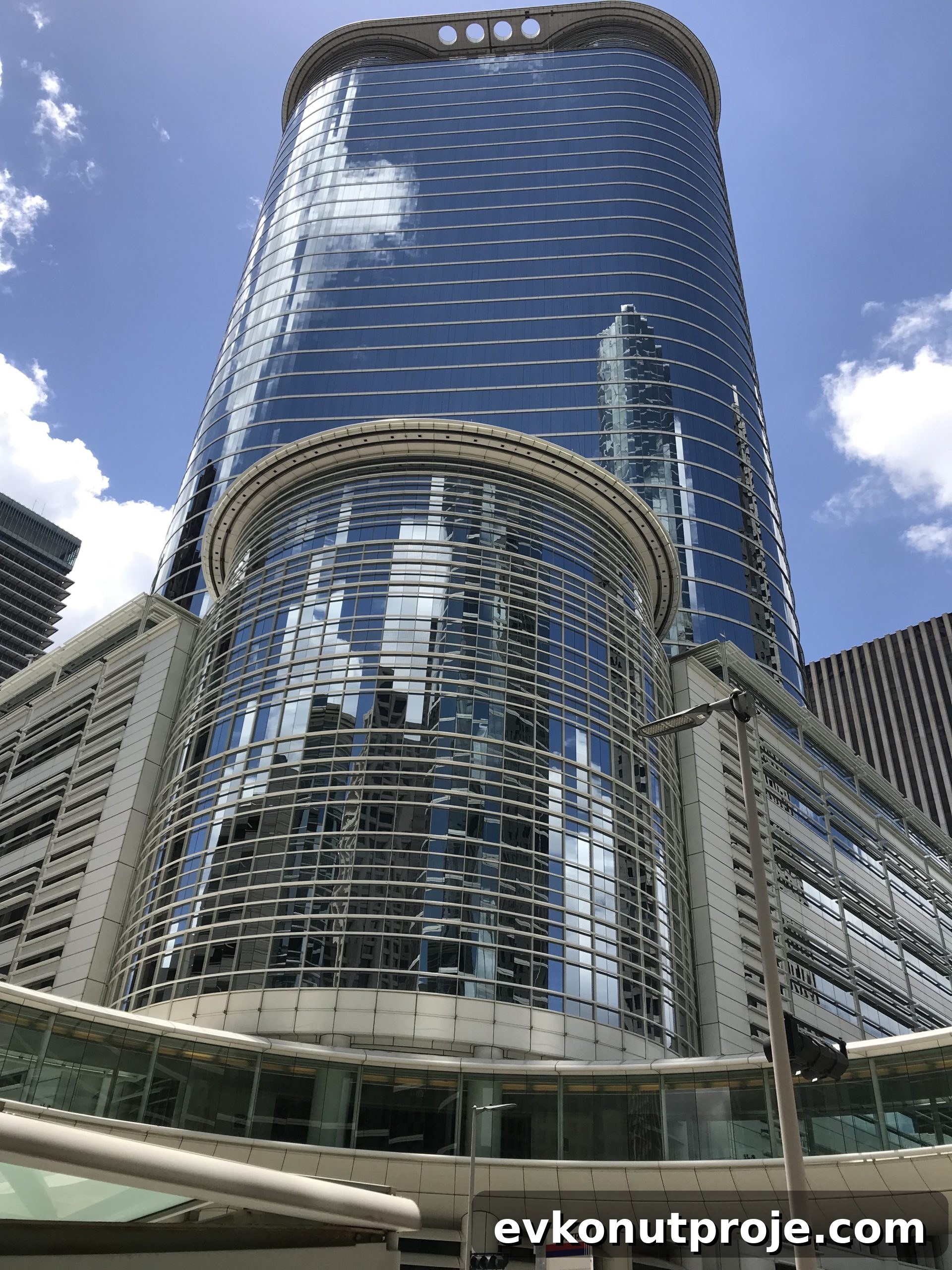
HOUSTON – (Realty News Report) – The energy sector is weighing heavily on Houston’s office market. Industry experts at NAI Partners report that the citywide office vacancy rate has climbed to a 20-year high, with more than 22 percent of office space now vacant as companies in oil and gas consider further cutbacks.
“The oil and gas sector has created a vacuum,” said Dan Boyles, an experienced office leasing partner at NAI. “Many companies hold excess space. The clients and prospects I speak with are actively looking for ways to exit or reduce their office commitments, whether through subleasing or restructuring leases.”
Houston’s office market is struggling with the combined impact of the coronavirus pandemic and a steep downturn in the energy industry, where collapsing oil prices and sharply reduced drilling activity have forced employers to shrink footprints and rethink real estate needs.

For Houston’s office market, Boyles said the damage from the oil crash has been deeper and more immediate than the effects of Covid.
“Covid has slowed decision-making and prompted many firms to reconsider how they use their space,” he explained.
But conversations with energy companies are often more urgent and sometimes existential, Boyles added. He cited an unnamed energy firm with offices near the Katy Freeway that plans to vacate a substantial amount of space later this year.
This year so far, Houston’s office market has recorded negative absorption of 1.7 million square feet, a clear sign that significant amounts of office space became vacant in 2020.
M&A = Vacant Office Space
Mergers and acquisitions among energy firms are also contributing to vacancy. Deals such as Occidental Petroleum’s acquisition of Anadarko and other consolidations can leave redundant offices empty as companies streamline operations.
Market experts expect more challenges before conditions stabilize. Closing the large vacancy gap will not happen quickly.
In past energy downturns, companies often shut offices in secondary energy hubs like Midland or Tulsa and moved employees to Houston, historically known as the Energy Capital of the World. For decades, oil and gas firms and related businesses formed the backbone of Houston’s office tenancy. With roughly 60 million square feet of office space currently empty, filling the oversupply will require more than just a recovery in the oil patch—new sources of demand are essential.
“Houston needs a wave of new office tenants—companies that can absorb substantial blocks of space,” said Jon Silberman, managing partner at NAI Partners. “That’s the big question: where will demand come from? We really need a new demand driver.”
Aug. 19, 2020 Realty News Report Copyright 2020
File: Oil Companies Delivering Bad News
Photo credit: Ralph Bivins, Copyright 2020

File: (2) File: Oil Companies Delivering Bad News as vacancy hits 20-year high.