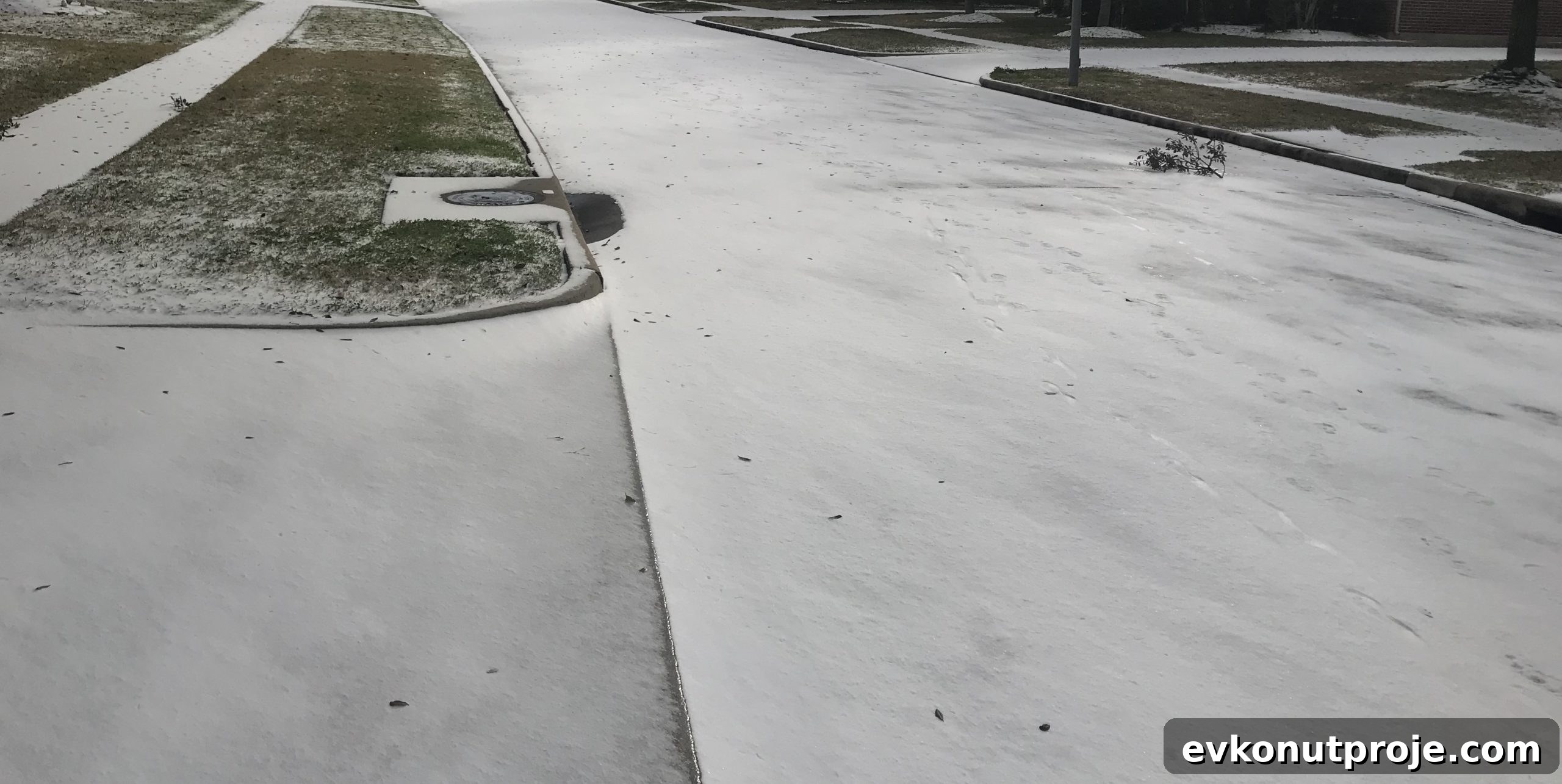
HOUSTON – (By Dale King, Realty News Report) – CoreLogic, a property research and analytics firm, convened five researchers on a warm March day to examine a question many Texans have been asking since the extreme cold struck: what caused the extraordinary mid-February freeze that lasted so long and inflicted widespread damage?
During a webinar recalling the destructive chill, the panel repeatedly used the word “shock” to describe the event.
Meteorological Phenomenon = Fahrenheit Fall
A senior CoreLogic expert explained that the surge of unusually frigid air was triggered by a dramatic disruption near the polar vortex. Temperatures around the polar region rose by roughly 100 degrees Fahrenheit — from about -110°F to -10°F — a change that destabilized the vortex. Curtis McDonald described how this sudden warming caused the normally stable polar vortex to wobble and fragment. Pieces of that displaced polar air moved south, with at least one lobe dropping from the U.S.-Canada border down into South Texas, bringing “the coldest air that Texas has seen in 30 years.” Concurrent snow cover from the Dakotas through the Plains to the Rio Grande intensified and extended the cold over land.
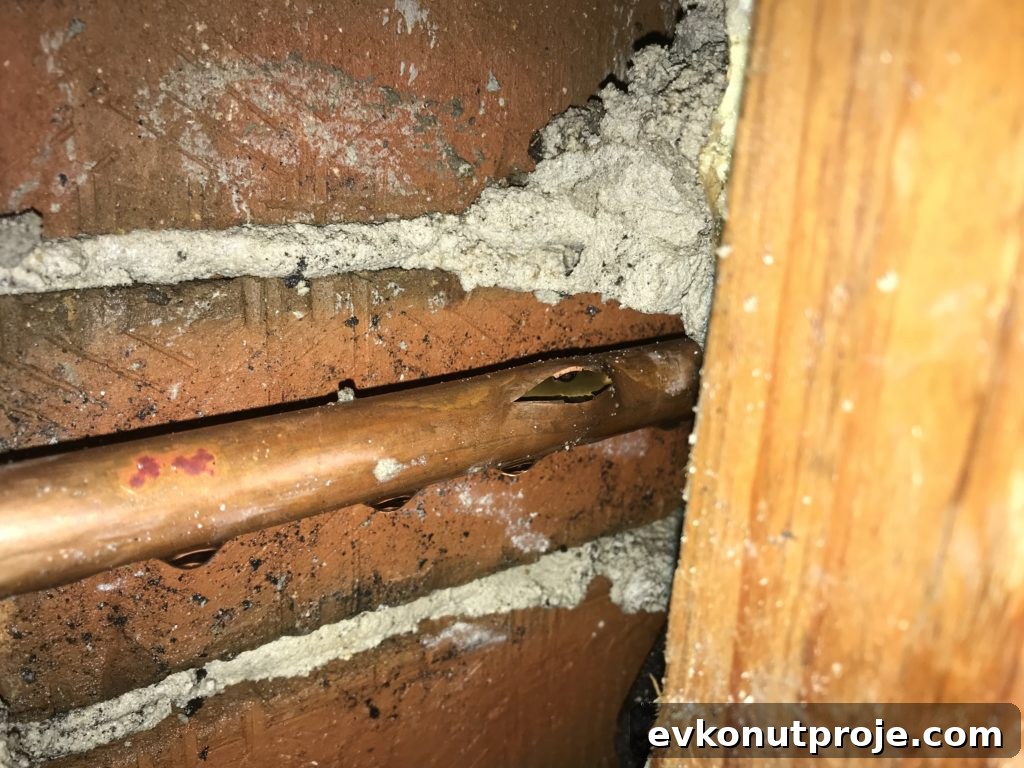
As more cold-air lobes descended, the frigid period stretched on for days, producing millions of dollars in damage across regions unprepared for such extreme cold. Critical equipment, including turbines and other power-generation components designed primarily for standard operational conditions, froze and failed.
The webinar panel warned the event, while extraordinary, is not necessarily unique. “Research has found that extreme weather is becoming a more frequent occurrence across the world,” said Maiclaire Bolton Smith, senior leader of research and content at CoreLogic. “According to scientists, climate change will continue to increase the likelihood of extreme events like this. It’s important for the industry to understand what happened during this event to help better prepare for the future.”
The exceptional cold revealed weaknesses tied to regional differences in building codes and design. Many Texas structures are not designed to withstand prolonged subfreezing temperatures; standing water in pipes froze, expanded and caused extensive ruptures.
No “R” in ERCOT
Widespread power outages across the Electric Reliability Council of Texas (ERCOT) service area halted pumps that circulate water through pipe systems. Home heating systems lost power as well, leaving residences, businesses and community buildings vulnerable to freezing and internal flooding when pipes burst.
Critics questioned ERCOT’s reliability, but Tom Larsen, a principal for industry solutions at CoreLogic, noted that because ERCOT operates as an independent grid, it cannot easily import electricity from other regions when local generation fails. Many natural gas compression stations and related infrastructure, which had moved from combustion-driven to electrically powered systems, stopped operating when the grid went down.
Weather forecasters had signaled anomalies in the polar vortex as early as December 2020 and January 2021, yet the extent of the impact in Texas was widely regarded as a surprising temperature anomaly.
Storm Target: 8 Million Texans
Larsen described how initial projections suggested the extreme cold might affect 23 million housing units across a north–south corridor extending to Texas. As forecasts evolved, the estimated number of at-risk homes was revised to roughly eight million, most concentrated in Texas. About two million customers lost power, and the panel said the majority of property-related financial losses resulted from burst pipes. Insurance claims have been arriving in growing numbers, with preliminary industry estimates placing losses in the tens of millions of dollars.
Austin Hoder, field operations director for ServiceMaster Restore, discussed the challenges of mobilizing restoration resources to an area coping not only with an unexpected freeze but also with the ongoing COVID-19 pandemic. Because the extreme-cold region extended across much of the country, ServiceMaster drew personnel and equipment from as far west as California and as far east as Florida.
Hoder said crews worked under extreme conditions. “We were able to restore an arena that was scheduled to give 2,000 COVID shots. We provided them with a clear environment,” allowing vaccinations to proceed. Many technicians had never seen cold of this severity and had to adapt equipment to operate in subfreezing temperatures.
Response: 700 Workers and 17,000 Pieces of Equipment
“We brought in 700 individuals — technicians, supervisors, managers — and 17,000 pieces of equipment,” Hoder said, underscoring the scale of the response. With thousands of water lines rupturing and pumping infrastructure offline, responders had to provide potable water and extended supplies of protective equipment to maintain COVID-safety protocols during prolonged recovery operations.
ServiceMaster crews remained active in Texas for weeks after the freeze. Hoder noted that loss concentration was greatest in the Dallas, Austin, San Antonio and Houston metropolitan areas, and he emphasized that Texas bore the brunt of the damage.
Another complicating factor was that residents largely remained in place. “There was no evacuation during the freeze,” he said. Unlike a hurricane, where residents can often evacuate and return, the period from Feb. 15 to Feb. 28 found most people sheltering at home while conditions deteriorated.
Kim Miller, national catastrophe claims leader for Swyfft Insurance, urged homeowners and business owners to document damage thoroughly, file claims promptly, take photos before and during repairs, and exercise patience as claims are processed.
BREAKING NEWS: Texas Utility Official Resigned Last Night at Governor’s Request
Breaking News: On Tuesday night, Arthur D’Andrea, the lone remaining commissioner on the Texas Public Utility Commission, resigned at the governor’s request. “Tonight, I asked for and accepted the resignation of PUC Commissioner Arthur D’Andrea,” Gov. Greg Abbott said in a statement.
Chapter 11
In related fallout, Griddy Energy, an electricity retailer, filed for Chapter 11 bankruptcy on Monday after customers faced unexpectedly large bills from the winter storm. Griddy was the third power company to seek Chapter 11 protection in the storm’s aftermath.
March 17, 2021 Realty News Report Copyright 2021
File: The Cold Hard Facts
Photos by Ralph Bivins, Realty News Report Copyright 2021