Saving the Astrodome and Houston History: Q&A with Architect John Cryer III
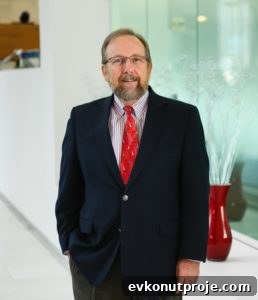
John N. Cryer III
HOUSTON – (Realty News Report) – Houston takes pride in being a dynamic, modern metropolis: new office towers, fresh multifamily developments, and gleaming shopping centers are reshaping the skyline. Yet the city’s historical legacy remains important, and Houstonians are increasingly attentive to preserving that past. Organizations such as Preservation Houston have played a vital role in saving and restoring historic structures and homes, and have supported projects like the successful redevelopment of the landmark Rice Hotel into market-rate apartments. Even the Astrodome, once destined for demolition, has been saved and given new purpose. What does this shift in attitude reveal about the city? Realty News Report spoke with John Cryer III, FAIA — Board Emeritus of Page Southerland Page, Inc. and immediate past president of Preservation Houston — to find out.
Realty News Report: Houston has often demolished important buildings in the past. Do you think saving the Astrodome has helped Houstonians develop greater appreciation for older buildings?
John Cryer III: Preservation hasn’t always been a priority in Houston. The city’s fascination with the new led to the loss of many wonderful historic buildings. Today, however, there is much greater sensitivity to preservation. Consider the Shamrock Hotel: had it survived, it would likely be a premier landmark and a significant symbol for Houston, especially given its proximity to the Texas Medical Center. Too often we lack the vision to imagine how historic buildings can be repurposed for the future.
Realty News Report: What does the desire to preserve the Astrodome say about Houston?
John Cryer III: Successful preservation typically happens when a historic structure is adapted to a contemporary use. While a sports stadium remains fundamentally an arena for events, the interplay between historic character and modern function makes preservation meaningful and successful. Historic architecture matters not only for its forms but for the stories and legacy it carries. That is why preserving the Astrodome is significant for Houston: as the world’s first domed stadium, it holds countless stories and folklore tied to the city’s identity. Architecturally it may not be the finest example, but it embodies Houston’s “bigger than life” spirit and the “can do” ethos that defined much of the city’s growth. Saving the Dome was driven largely by that symbolism. Repurposing such a unique facility is difficult, however, because specialized structures offer limited adaptive options and face challenging economics due to their scale.
NOTE: The Astrodome Conservancy and 8th Wonder Brewery will host a fundraiser at the brewery, 2202 Dallas St., on Friday, June 29 from 5:00 pm to 8:00 pm. A $25 suggested donation and a portion of food and beverage sales will support the Dome’s revitalization.
Realty News Report: County Judge Ed Emmett has advocated converting the Astrodome into the world’s largest indoor park or an exposition venue. What do you think of that concept?
John Cryer III: An indoor park or similar unique venue is certainly a possibility. The main challenge is making any new use financially viable; it must generate revenue to be sustainable. Many ideas have been floated — an indoor roller coaster, sports performance training facilities, or an exhibition center — and my expectation is that the Dome’s role will evolve over time as the right combination of uses and funding is found.
Realty News Report: If the Astrodome’s founders, R.E. “Bob” Smith and Judge Roy Hofheinz, had built it downtown instead of at Kirby near Loop 610, how might that have changed Houston’s development?
John Cryer III: Locating the Dome downtown would likely have offered greater long-term potential. Today, many major sports venues are concentrated downtown, creating surrounding opportunities for mixed-use development. Placed in the central business district, the Dome could have been part of a broader complex supporting multiple activities. As it stands, the current location makes it more of a destination with limited, sporadic uses — though its rail connection is a helpful asset.
Realty News Report: Even 50 years later there remains vacant land around the Dome. Do stadiums truly spur commercial real estate growth?
John Cryer III: Surprisingly, the area around the Dome hasn’t developed as one might expect. Stadiums can attract visitors, but because sporting venues are used intermittently, they often don’t act as consistent economic engines for surrounding development. Additionally, as public attitudes toward certain sports shift and concerns about injuries become more prominent, demand could change, further limiting stadium-driven growth.
Realty News Report: What is your outlook for Houston’s future? Will it remain the “can do” city it’s been?
John Cryer III: Houston’s diversity and resilience have been fueled by strengths in energy and medicine. Local energy leaders have worked globally, building relationships across governments and cultures, while the region’s multi-cultural families and business networks have created a unique, collaborative spirit. Houston’s blend of business, science, and cultural diversity positions it to become an iconic national city — one that breaks down barriers while preserving its “can do” character.
Realty News Report: Houstonians have faced repeated floods and other natural challenges. What gives the city its resilience? Is it part of Houston’s DNA?
John Cryer III: Houston has shown great resilience, but we now need to move from resilience to brilliance. The city’s greatest infrastructure challenge is water and storm management. Addressing drainage and flood control is essential; without decisive action, Houston cannot fully claim the global leadership role it deserves.
Realty News Report: Where do you expect Houston to grow next?
John Cryer III: Future growth will concentrate more in the central business district. National trends, along with major local projects such as the I-45 reconfiguration and the multi-billion-dollar rebuilding of freeway systems around downtown and midtown, will encourage consolidation. As transportation and cultural shifts reshape how people live and work, Houston’s previously unchecked horizontal expansion is likely to slow, and development will become denser around a central core.
June 26, 2018 Realty News Report Copyright 2018
Realty News Report editor Ralph Bivins recently won the National Association of Real Estate Editors’ Gold Award for Best Real Estate Column for his piece on Houston’s historic Astrodome. The award-winning column is available from Realty News Report.