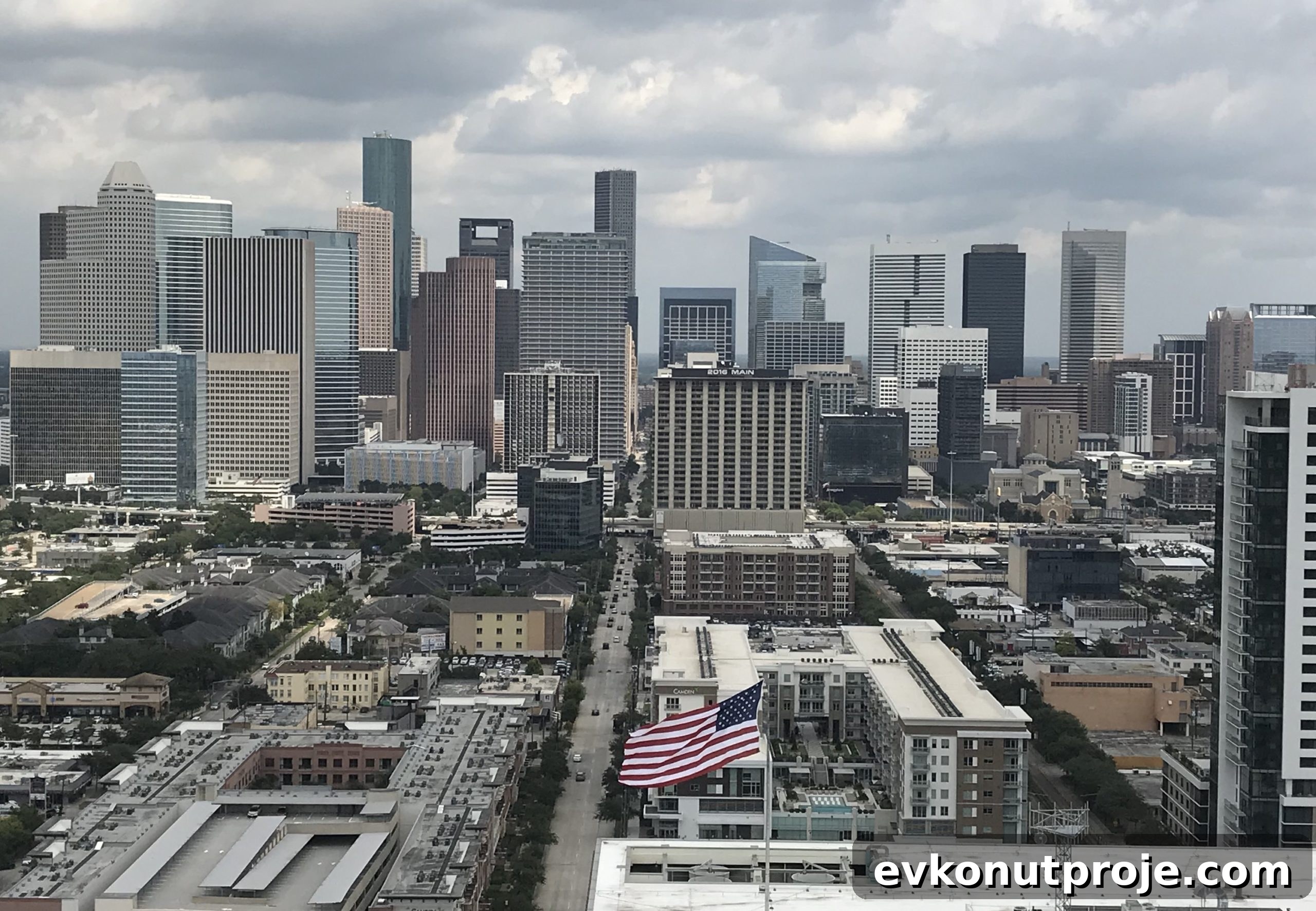
HOUSTON – (By Michelle Leigh Smith for Realty News Report) – Last week’s intermittent power outages, Internet interruptions and freezing temperatures disrupted Houston businesses and the properties where they operate. The severe weather exposed vulnerabilities in building systems and supply chains, forcing closures, repairs and operational adjustments across the city.
Scott Rubenstein of Pipeline Realty, which owns several small office buildings across the Texas Medical Center, West Holcombe, West University and Bellaire neighborhoods, described the event as unprecedented. “We likely fared better than most because we took a lot of precautions,” he said. Still, Pipeline’s buildings were not immune: busted pipes flooded one property, a separate broken pipe left another building out of service due to difficulty sourcing repairs, and all properties dealt with a lack of heat.
“Overall, office buildings seem to have fared reasonably well,” said Rand Stephens, President and Managing Director of the Houston office of Avison Young. “From our office clients, damage reports were hit or miss; the bulk of problems came from bursting pipes in ground-floor areas and parking garages exposed to the elements. Many incidents occurred because water systems were not shut off or properly drained before the storm. The good news is we did not see major leaks in the office buildings we manage.”
Sprinkler Heads and Boil Alerts
Stephens added that industrial properties, which are often not climate controlled, suffered when power was lost and space heaters weren’t available—resulting in burst pipes and damaged sprinkler heads. His office experienced a full-week disruption: without power or water until Friday, an office-wide safety directive was issued and a boil water alert remained in effect through Sunday. With cell coverage unreliable and Wi-Fi down, many employees who could work from home were still limited in operations.
In the storm’s aftermath, brokers scrambled Monday to assess damaged properties that were under contract. “We have properties scheduled to close this week, and buyers are ensuring any damage from broken pipes and related issues has been repaired,” said Mark Davis, head of Davis Commercial. “Essentially, we’re seeing double property inspections—before and after the storm. The biggest challenge is getting plumbers out quickly so evaluations can be completed and closings can proceed on time.”
Fred Meyer, Vice President at MC Management, reported that his portfolio experienced only limited impact. “Knock on wood, we’ve heard of very few water incidents or frozen pipes so far. We’ve been fortunate; the effect was minimal aside from a couple of shutdown days,” Meyer said. MC Management oversees about 1.5 million square feet of properties including centers in Meyerland, Braeswood, Hillcroft, Kingwood and a Market Square location downtown.
A Few Busted Pipes
The Midway Cos., known for developing CityCentre and other large projects, also managed through the storm with relatively limited disruption. “Midway’s properties fared well thanks to the incredible teamwork of our operations staff,” said Micah Hart, Senior Vice President of Property Operations. “Our engineering teams remained onsite around the clock, addressing challenges across multifamily, office, retail and hotel assets. Despite power outages, water interruptions and a few burst pipes, all properties had resumed normal operations by Friday, February 19. The safety and wellbeing of residents, retailers, office workers and guests remains our top priority.”
A Tough Week for Small Business
Retailers and restaurants felt a deeper economic sting, particularly mom-and-pop operators forced to remain closed. “Today feels like recovery Monday,” said Jason Gaines, Senior Vice President at NAI Partners. “Last week the retail sector was largely closed. For small independent businesses that already struggled coming out of COVID, losing a week of revenue is a serious hit. In many cases they lost about 20 percent of their monthly sales, which could be devastating without additional support.”
Has Texas Lost Its Swagger?
Veteran developer Howard Rambin, CEO and co-founder of Moody Rambin, reflected on cyclical downturns in the commercial real estate market. “I don’t think Texas has lost its swagger,” he said. “We will come back, but the combined effects of overbuilding and COVID will take time to sort out—perhaps a decade. People tend to deny or downplay difficult realities, but Texans are resilient and will adapt.”
Hanging on By Their Fingernails
Rambin recalled earlier downturns, including the oil collapse of the 1980s, and noted the current recovery may be prolonged and painful for smaller businesses. “It will be a long, hard slog,” he observed. “Many small operators are hanging on by their fingernails. Without the massive government interventions we experienced during the pandemic, the situation could be much worse. Nevertheless, Texans typically don’t give up—adaptation is part of how we get through tough times.”
A Closing Thought
“To the mouse, snow means freedom from want and fear. … To a rough-legged hawk, a thaw means freedom from want and fear.” — Aldo Leopold
Feb 22, 2021 Realty News Report Copyright 2021
File: Record Cold Impacts Commercial Real Estate