HOUSTON – (By Dale King, Realty News Report) — The nation’s rental housing market has long prioritized upscale units that attract millennials and Generation Z, but finding larger, affordable multifamily homes suitable for families remains a widespread challenge.
Family renter households represent a significant yet often overlooked segment of the American housing landscape, according to a recent report from the Urban Land Institute’s Terwilliger Center for Housing. After years of catering to younger, childless renters, developers may be shifting focus to better accommodate families’ needs.
The ULI report notes that families account for roughly one-third of American renters, while most newly built apartments are tailored to young urbanites without children. The average new apartment is just over 900 square feet and carries a median rent near $1,600 per month—levels that put many newly built units out of reach for most families, nearly 60% of whom earn less than $50,000 annually.
Emerging options—ranging from suburban townhouses to multifamily apartments—are beginning to address family needs, even when not explicitly marketed to parents. These communities often provide floor plans, amenities, and locations attractive to households with children, including larger unit sizes, multiple bedrooms, and family-oriented common spaces.
Still, family-friendly rental options were produced only in limited quantities during the last economic cycle, creating a growing mismatch between supply and demand. The report identifies several barriers that have constrained development: developer hesitancy or unfamiliarity with family-oriented products, regulatory obstacles, and the conversion or subdivision of existing family housing into smaller units that are less suitable for children. These trends underscore both the risks families face and the opportunity for developers and policymakers to better serve this market.
ULI and Terwilliger Center researchers predict family renter households will expand through the 2020s as more millennials have children. Broader shifts in housing preferences—declining homeownership rates and rising home prices—are creating demand for new rental product types that appeal to a wider range of households, including families who require larger, more flexible living space.
Contemporary family households are also more diverse than the traditional two-parent model. Single-parent and multigenerational households are increasingly common, each with distinct housing needs. To capture this breadth, ULI defines family-oriented rental housing broadly as units of any density that include two—or ideally three—bedrooms.
The Terwilliger Center identified more than a dozen housing types with features particularly attractive to families. Among them:
- Rental townhouses: These offer a compelling alternative to ownership for young families seeking extra space while remaining in mixed-use neighborhoods. Townhouses often include private entries, yards, and multiple levels that mimic traditional single-family homes.
- Suburban rental apartments: Located outside dense urban cores, these developments provide larger floor plans and additional bedrooms, and often draw renters prioritizing school districts or neighborhood quality while saving toward homeownership.
- Suburban single-family rentals: Found in suburban or exurban master-planned communities with strong schools, these detached rental homes provide family-sized layouts—often ranging from about 1,400 to over 2,500 square feet—offering an attractive long-term rental option.
- Detached and attached apartment-style homes: These products blend suburban amenities with the convenience of denser rental living, frequently including attached garages, private yards, and unit designs that support family life.
- Urban rental apartments for families: Although still less common, family-focused urban apartments are emerging as some millennials choose to remain in city neighborhoods after having children. These units appeal to those who prefer maintenance-free living or lack the down payment for homeownership.
- Mixed-income and affordable housing: Affordable family rentals can take many forms—townhouses, apartments, or single-family units—and typically serve households with incomes under $50,000. These programs aim to provide larger, family-suitable housing at lower price points to address economic disparities.
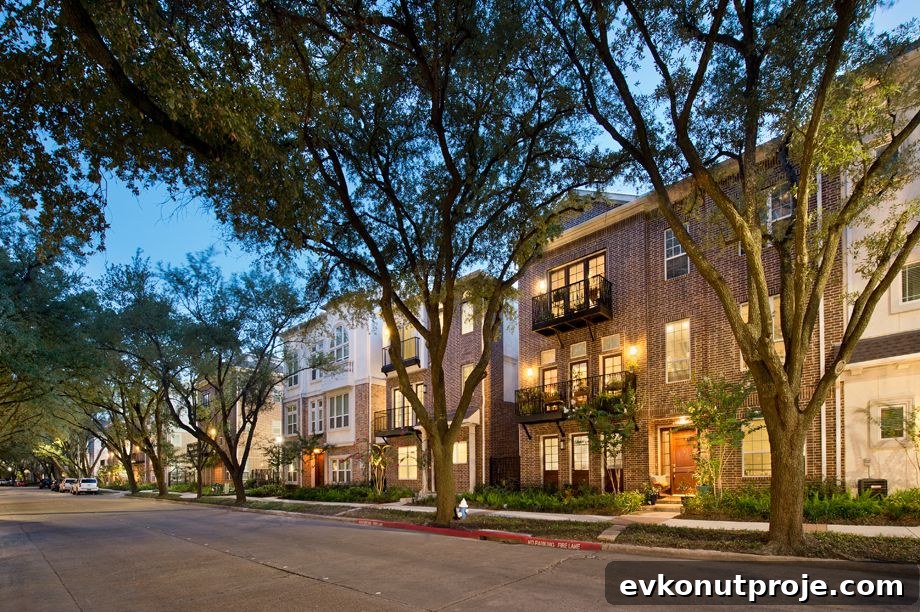
One illustrative example is Camden Highland Village in Houston, a community of luxury townhomes located roughly five miles from downtown between Uptown and Greenway/Upper Kirby. The development includes 38 townhomes with custom kitchens, modern finishes, private yards, and attached two-car garages; many units exceed 2,000 square feet, demonstrating the scale and amenities that can serve family renters.
As demographic trends continue to shift and housing costs rise, developers and policymakers face an opportunity to expand the stock of family-oriented rental housing. Strategies to increase supply could include designing units with multiple bedrooms, creating amenity packages geared toward children and parents, streamlining regulatory processes that hinder family-sized development, and preserving existing family housing from conversion. Increasing the availability of quality family rentals would address an underserved segment of the market and offer more households a viable, affordable option for raising children in safe, supportive neighborhoods.
July 1, 2020 Realty News Report Copyright 2020
Photo: Camden Highland Village townhomes in Houston’s Inner Loop offer sizable dwellings appropriate for families.
File: Rental housing