Houston Apartment Rents Rise Gradually: What Renters Should Know
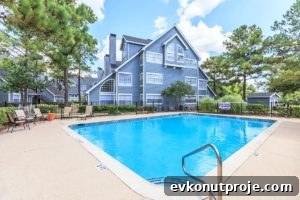
The 96-unit Pine Lake Village apartment community in Houston was recently sold.
HOUSTON – (By Dale King, Realty News Report) – Rents in Houston have been essentially flat over the past 12 months. Although there were small upticks in April, May and June, year-over-year rent growth in Houston is only 0.5%, well below the Texas average of 1.7% and the national average of 1.6%.
According to Apartment List’s July 2019 report, median rents in Houston are currently $850 for a one-bedroom and $1,030 for a two-bedroom. These marks represent the third consecutive month of increases after a sharp dip in March.
Here’s how rents compare across several communities in the Houston metro area:
Pasadena offers the most affordable rents, with a median two-bedroom rent of $1,010. However, it has seen the fastest rent growth in the metro area, rising 2.6% year over year.
Sugar Land experienced the largest decline in the region, with rents falling 1.2% over the past year. Still, it remains the most expensive city in the metro, with a median two-bedroom rent of $1,560.
From highest to lowest median two-bedroom rent in the Houston metro, the top 10 cities are: Sugar Land $1,560; League City $1,500; Missouri City $1,450; Spring $1,380; Pearland $1,350; Conroe $1,100; Galveston $1,090; Baytown $1,080; Houston $1,030; and Pasadena $1,010.
Statewide, rents in Texas rose modestly, with overall growth of 1.7% over the past year. Austin led major Texas metros with 3.5% rent growth, San Antonio rose 2.5%, and Dallas increased 1.9%.
Houston’s median two-bedroom rent of $1,030 is below the national median of $1,190. Nationwide, rents rose 1.6% over the past year, compared with Houston’s 0.5% gain.
Many U.S. cities experienced stronger rent growth than Houston. Examples include Phoenix (up 3.8%), Washington, D.C. (up 2.3%), and Seattle (up 1.6%).
Lower relative rents make Houston an attractive option for renters: for instance, San Francisco’s median two-bedroom rent is $3,100—more than three times Houston’s rate.
Despite modest rent growth, investor interest in Houston remains strong. Clint Duncan, Senior Vice President of CBRE’s Capital Markets Multifamily Group, says the fundamentals of the Houston multifamily market are sound and investors are confident rents will increase over time.
The Apartment List report also breaks down key Texas metros:
DALLAS: Rents increased 0.6% over the past month and 1.9% year over year. Median rents in Dallas are $910 for a one-bedroom and $1,130 for a two-bedroom. This marks the fifth consecutive month of growth after a January decline.
Dallas’ annual rent growth of 1.9% exceeds both the state average (1.7%) and the national average (1.6%).
Within the Dallas metro, Arlington recorded the fastest rent growth at 2.8% year over year. There, the median two-bedroom rent is $1,260 and one-bedrooms median $1,010.
Dallas proper has the lowest median two-bedroom rent in the metro at $1,130, while Plano posts the highest among the largest cities, with a two-bedroom median of $1,450. Plano’s rents rose 0.5% over the past month and 2.1% year over year.
AUSTIN: Rents rose 0.8% over the past month and 3.5% year over year. Median rents in Austin are $1,180 for a one-bedroom and $1,450 for a two-bedroom. This is the fourth straight month of increases following a February decline.
Rents in Austin are higher than many comparable cities—for example, Detroit’s median two-bedroom rent of $900 is substantially lower than Austin’s.
SAN ANTONIO: Rents climbed 0.4% over the past month and are up 2.5% year over year. Median rents are $860 for a one-bedroom and $1,080 for a two-bedroom. San Antonio has seen rent increases for 17 consecutive months, with the last decline occurring in January of the previous year.
Nationally, Henderson, Nevada leads the country with a 5.1% increase in rents—more than three times the national rate. Henderson sits just outside Las Vegas, which ranks third with 3.9% growth.
The Las Vegas metro has experienced rapid job growth in recent years, though many of those jobs are concentrated in lower-wage service and tourism sectors. Continued rent increases there could raise affordability concerns, the report notes.
The Phoenix area is also seeing rent growth well above the national average. The Phoenix suburb of Mesa ranks second nationally for fastest rent growth at 4.4%, while Phoenix proper is fourth with 3.8% year-over-year growth.
Apartment List notes that Texas and North Carolina each have multiple cities among the top 10 markets for rent growth. Cities on the list are generally located in regions with strong local economies and healthy employment opportunities.