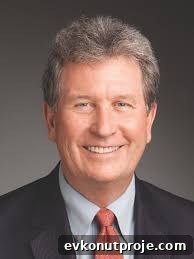
Austin’s commercial real estate market is among the strongest in Texas, driven by corporate relocations and rapid expansion in high technology. The city’s economy remains healthy, adding 18,800 jobs in the twelve months ending December 2016, which has translated into notable growth in real estate activity. New downtown office tenants include major technology firms such as Google and Facebook. One of the largest developments underway is a 560,000-square-foot campus with 250 apartment units near Lady Bird Lake for Oracle Corporation. To get a deeper perspective on the commercial market in Texas’ capital, Realty News Report spoke with Michael Kennedy, principal and managing director of Avison Young’s Austin office. Avison Young is one of the fastest-growing commercial real estate services firms with multiple offices across Texas. Throughout his career, Kennedy has been recognized as one of the most active office leasing and sales brokers in the Austin area. Recently, his team represented Scott Douglass & McConnico in launching construction of the first downtown Austin CBD tower in a decade—the 30-story Colorado Tower. Avison Young currently represents a number of technology and law firms searching for space in Austin’s CBD. Kennedy is a graduate of the University of St. Thomas and South Texas College of Law in Houston and is an active member of SIOR—the Society of Industrial and Office Realtors.
Downtown Construction and Development
Realty News Report: Downtown Austin now has many construction cranes visible on the skyline. Has construction ever been on this scale before?
Michael Kennedy: Not to this extent, and not across this many property types. Right now, more than six million square feet of residential, hospitality, and office space is under construction in downtown Austin. Over time, Austin’s central business district could grow to contain an additional 30 million square feet of built space. The traditional core of the CBD will likely expand as this growth continues.
Technology Tenants Moving Downtown
Realty News Report: Many of the new tenants are tech firms like Google and Facebook. What can you tell us about tech companies choosing downtown Austin?
Michael Kennedy: Our Avison Young research shows that employers targeting workers in their early 20s to early 30s want a presence in or near downtown. Companies such as Google, Facebook, RetailMeNot, WP Engine and OutBound Engine, along with coworking operators like WeWork, Galvanize, TechSpace and Industrious, have expanded downtown as demand from this demographic for urban work-and-live environments has grown. Other professional sectors, including law firms and traditional CBD employers, are also recognizing downtown as a recruiting and growth advantage.
Why Tech Prefers Downtown Over Suburbs
Realty News Report: Why are tech companies choosing downtown instead of suburban locations?
Michael Kennedy: Tech firms are drawn to downtown because Austin offers a unique, dense, walkable urban core with an active 18-hour culture where people can live, work, and play without needing a car. Downtown amenities—grocery options such as Whole Foods and Trader Joe’s, neighborhood stores like Royal Blue, restaurants, entertainment and nearby lake access—create an attractive lifestyle that appeals to the talent tech firms compete to hire.
Rising Office Rents
Realty News Report: Office rents in the Austin CBD have reportedly climbed sharply. What’s driving that?
Michael Kennedy: Rents are increasing because demand is strong while supply remains constrained. Historically, adding office space to the CBD lowered rents because demand was dominated by slower-growth tenants such as law firms and financial services. The re-urbanization trend and the influx of fast-growing tech employers, however, have created intense competition for downtown locations. Developers are delivering buildings that are often fully pre-leased at rates higher than pro-forma projections—an uncommon occurrence in past cycles. Current vacancy sits around five percent and with limited new supply being delivered, market rates continue to rise.
South Central Waterfront and Redevelopment
Realty News Report: The Austin American-Statesman operates on a large 19-acre waterfront site along Lady Bird Lake at Congress Avenue. What can we expect for that area?
Michael Kennedy: The Planning Commission and Austin City Council have unanimously approved the South Central Waterfront plan. This framework envisions significant city-provided infrastructure for the 100+ acre area to encourage redevelopment with increased density and height entitlements, while preserving and improving lake access and public amenities. The plan aims to enhance the street-level experience, expand parks and schools, and support workforce and affordable housing, ultimately increasing the tax base well beyond current entitlement revenues.
Concerns About Overbuilding
Realty News Report: Do you have concerns about possible overbuilding?
Michael Kennedy: Not at this time. Overall, property types appear balanced, with supply generally matching or trailing demand.
Outlook for Austin
Realty News Report: Anything else you’d like to add?
Michael Kennedy: Austin’s metropolitan area is expected to add two million people by 2040, with about one million arriving in the next 14 years. Approximately 30 percent of Austin’s roughly one million residents live within a ten-minute drive of downtown. That proximity, combined with downtown’s convenience and amenities, will sustain its appeal. Austin’s reputation as one of the nation’s most livable and likable cities is well earned and likely to continue.
April 4, 2017 Realty News Report Copyright 2017