PASADENA, Texas — The Texas Gulf Coast is poised for a major expansion of its petrochemical industry, with roughly $40 billion in new plant investments announced. That scale of growth has intensified concerns about whether the region will be able to supply enough certified, skilled workers to staff the upcoming projects.
The coastal corridor already supports the largest petrochemical manufacturing complex in the United States and the second-largest worldwide. It hosts around 90 companies and 130 plants. Industry leaders and local workforce groups report that the region must substantially expand its pipeline of trained employees, not only because of the new capital projects but also because more than half of the current workforce is expected to retire within a few years, according to the East Harris County Manufacturers Association (EHCMA).
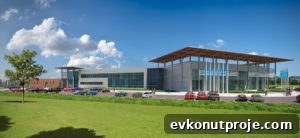
To address that looming workforce gap, San Jacinto College District has begun construction on a new Center for Petrochemical, Energy and Technology. The 145,000-square-foot training facility broke ground in Pasadena on Sept. 20 and represents a significant investment in workforce development for the Gulf Coast.
Brenda Hellyer, San Jacinto College’s chancellor and the first woman to hold the post, emphasized the urgent need to train workers to replace retiring or aging personnel across the sector. Dr. Hellyer formed the Chancellor’s Petrochemical Advisory Council, composed of industry representatives who advise on the facility’s development and program offerings. “From the beginning, this Center for Petrochemical, Energy, and Technology has been a collaboration with our industry partners,” she said. “We appreciate their collaboration and participation in making this the premier training facility along the Texas Gulf Coast.”
The center will consolidate the college’s associate degree and certificate programs for process technology, instrumentation and analyzer technology, non-destructive testing, and electrical technology. Each discipline will have dedicated, program-specific training labs within the building, which will be located at the college’s central campus at 8060 Spencer Highway. The facility was planned to open in the fall of 2019.
The announcement about the new building was highlighted during the Economic Alliance Gulf Coast Industry Forum, which brings together regional business and community leaders to discuss industry trends and workforce needs.
At the two-day conference held at the Pasadena Convention Center, Jim Bowen, CEO of First Trust Advisors and Managing Director at First Trust Portfolios L.P., delivered a keynote that focused on the strengths of the U.S. economy and investment climate. Bowen presented data showing the United States still accounts for roughly a quarter of global GDP, with notable comparisons to other major economies. He also shared graphics indicating that both total and private job openings are increasing, and reviewed recent oil production figures from major U.S. plays such as the Bakken, Eagle Ford and Permian Basin—highlighting the Eagle Ford’s high output per rig.
Speakers at the forum stressed the Gulf Coast’s strategic position in meeting future energy demand. “We are the most well positioned city to fuel the world’s energy demand in the next 50 years,” said Ben Westcott, president and co-managing shareholder with Andrews Myers. “And we have the local ingenuity to pull it off.”