WASHINGTON – (By Dale King, Realty News Report) — The Urban Land Institute’s spring 2021 real estate economic report forecasts a rebound from the coronavirus-related slowdowns. The single-family housing sector, hotels and industrial markets are projected to expand significantly over the next three years, while office and retail recovery is expected to lag, according to findings shared during a recent members-only seminar.
Office Vacancy Expected to Rise
Office vacancy rates are projected to increase, with a three-year average of 16.2%, higher than the 20-year average of 14.3%. The report indicates steady office market improvement is unlikely before 2023.
Retail is beginning to show modest gains and is forecast to reach growth near 9.8%, slightly below the long-term average of 9.9%.
Industrial property is expected to remain a strong performer, although other property types may take longer to recover from pandemic-related lows.
Survey of 42 Real Estate Experts
The conclusions are based on an April–May survey of 42 economists and analysts representing 39 leading real estate organizations.
“While the fall 2020 forecast marked a reversal of many of the pessimistic projections from spring 2020, the current outlook goes further, with several forecasts now surpassing long-term averages,” said ULI member William Maher, director of strategy and research at RCLCO.
Maher noted that metrics expected to outperform long-term averages between 2021 and 2023 include GDP and employment growth, a lower unemployment rate, higher real estate transaction volumes, stronger warehouse and apartment occupancy, rent growth in select sectors, single-family housing starts and price appreciation.
Top Performers: Housing and Industrial
Key findings from the report include:
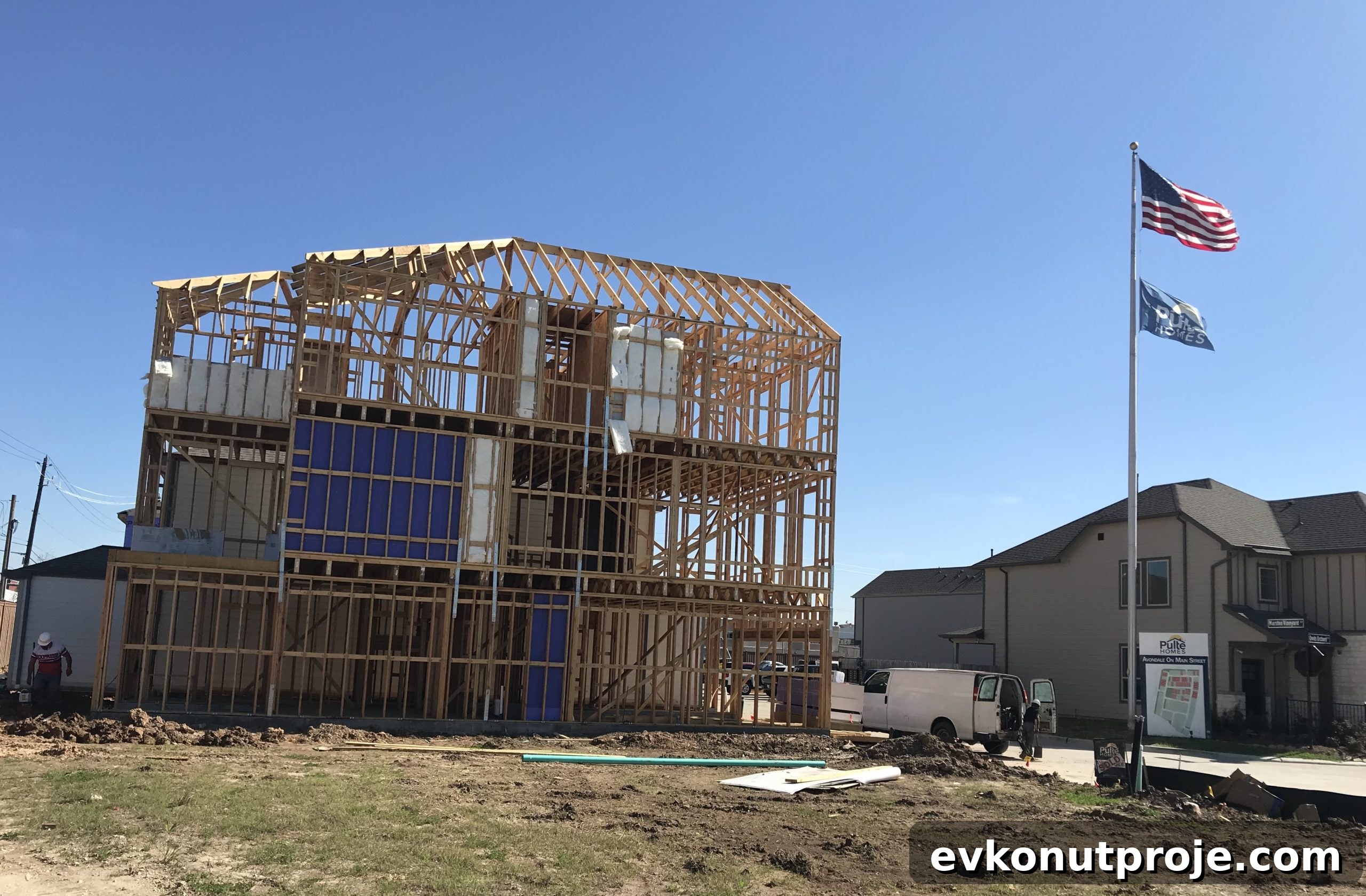
- Housing starts surpassed the 20-year average in 2020 for the first time since the Great Financial Crisis. Starts are forecast to rise to about 1.1 million in 2021, 1.2 million in 2022, and to hold steady in 2023.
- By average return, industrial leads all property types at 9.8%, followed by apartments at 6.2%, office at 3.6% and retail at 2.5%.
- National vacancy and availability rates for industrial properties and apartments are expected to remain below their 20-year averages, while office vacancy is expected to stay above its long-term average.
- Over the next three years, industrial availability is projected to average 7.3%, below the 20-year average of 10.4%, while apartment availability should average about 4.4%, below the 20-year average of 5.3%.
- Rent growth is expected to vary by sector. Industrial rent growth is forecast to lead with an average of 3.6% between 2021 and 2023, followed by multifamily at 2.6%. Retail and office are expected to face flat to slightly negative average rent growth, at roughly -0.1% and -0.3% respectively.
ULI Leadership
The Urban Land Institute (ULI) is a global nonprofit dedicated to research and education in land use and real estate.
Jonathan Brinsden of Houston currently serves as chairman of ULI Americas. Brinsden, formerly with Midway in Houston, was recently named president of Irvine Company’s Office Properties in Newport Beach, California.
In his role at Irvine Company, Brinsden will oversee a 53-million-square-foot operating portfolio that includes holdings in Orange County, San Diego, West Los Angeles, Silicon Valley, Chicago and New York City.
May 27, 2021 Realty News Report. Copyright 2021.
Photo Credit: Ralph Bivins, Realty News Report. Copyright 2021.
File: ULI Economic Forecast Survey: Rebound Ahead
File: (2) Jonathan Brinsden, Chairman of ULI Americas. ULI Economic Forecast Survey. Irvine Co. Midway.
For more about Texas real estate, see the book Houston 2020: America’s Boom Town – An Extreme Close Up by Ralph Bivins. Available on Amazon.
Realty News Report’s podcast, THE RALPH BIVINS PROJECT, features in-depth conversations with industry leaders and commentators.