DALLAS – (By Dale King, Realty News Report) – The Dallas-Fort Worth retail market ended 2020 with an occupancy rate of 91.7 percent, down from 93.7 percent in 2019. While this decline reflects challenges facing physical retailers, it remains a relatively solid performance given the combination of long-term online competition and the acute impacts of the COVID-19 pandemic.
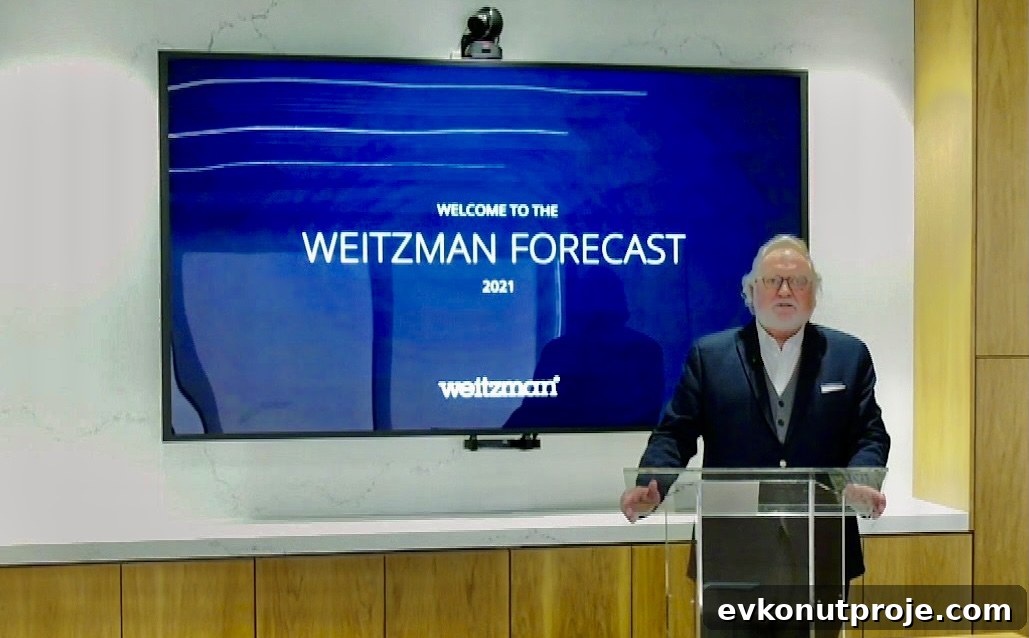
Bob Young, executive managing director at Weitzman, the prominent Texas-based commercial real estate services firm, noted in the company’s year-end report that the 91.7 percent rate still ranks among the stronger results for the market. “The market has recorded occupancy above 90 percent only 11 times (including 2020) over the past 31 years,” he said, highlighting that the market’s resilience is notable despite recent setbacks.
Shopping Centers Galore
The Dallas-Fort Worth retail inventory is the largest of any Texas metropolitan area, spread across 42 submarkets that include the Dallas and Fort Worth cores as well as their suburbs, Young said. That breadth reflects a diverse retail landscape, with regional malls, neighborhood centers and street-front retail contributing to overall supply.
However, the market took a hit during 2020 as the pandemic accelerated store closures. Several chains with existing financial strains prior to the pandemic were among those that shuttered locations or filed for bankruptcy. Notable examples cited in the report include Tuesday Morning and Stage Stores, along with other national and regional operators that reduced their presence in the market.
Specific closures in the Dallas-Fort Worth area during 2020 included JCPenney at Music City Mall in Lewisville, Belk at Dallas Galleria, Nordstrom at North East Mall and multiple locations across other chains. The report lists several chains and the number of local stores closed: Tuesday Morning closed six locations in the area, Pier 1 shuttered all 14 of its local stores, 24 Hour Fitness closed 11 area locations and Gold’s Gym closed five. These individual losses contributed to the occupancy decline for the year.
Despite these disruptions, the overall vacancy rate was tempered by the fact that many of the closed stores were smaller-format locations rather than large anchor spaces. Smaller closures have less impact on total rentable square footage, which helps explain why the occupancy rate remained above 90 percent for the year.
Prior to the pandemic, the D-FW retail market enjoyed one of its longest streaks of rising occupancy, a trend that began in 2013 when tenancy reached the 90 percent threshold. That long run reflected steady leasing activity driven by population growth, new residential development and healthy local economic conditions.
Leasing activity continued through 2020 in many existing retail projects, and that ongoing demand helped stabilize occupancy levels by absorbing available space. The report emphasizes that leasing of existing space—rather than the addition of large new retail projects—played a significant role in maintaining the market’s occupancy performance during the year.
Looking ahead, market fundamentals such as population growth and household formation in the Dallas-Fort Worth region are likely to shape retail demand. While the pandemic and structural shifts in retailing have accelerated store closures and reshaped tenant mixes, the region’s diverse inventory and strong demographic trends provide ongoing opportunities for leasing and repositioning of space.
Feb. 5, 2021 Realty News Report Copyright 2021
File: Dallas Retail Market Dipped
Caption: Bob Young of Weitzman says Dallas retail occupancy dipped in 2020. Notable closures included Belk, JCPenney, 24 Hour Fitness and Pier 1. Image: Weitzman