
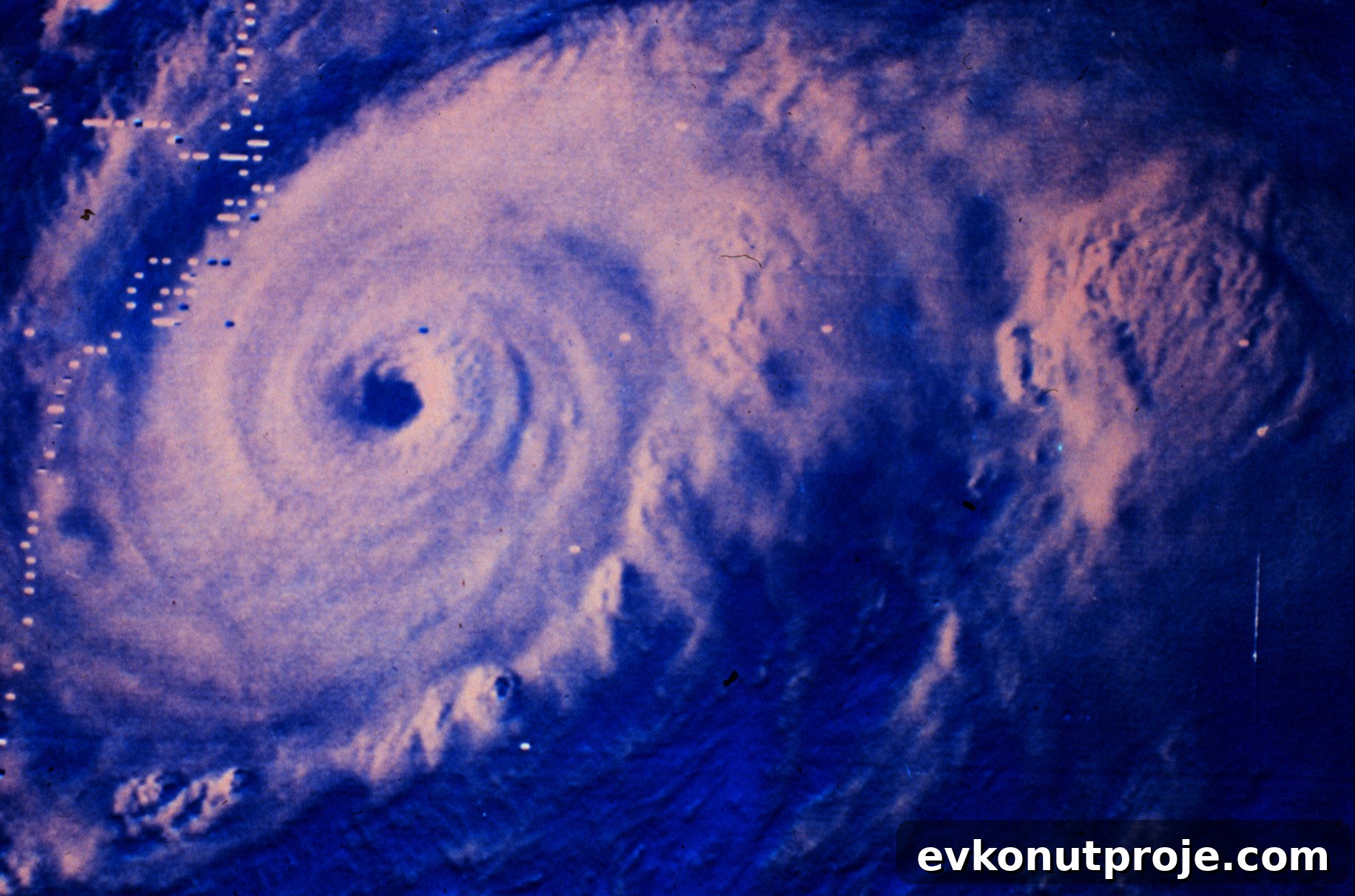
Is Houston Ready for the Next One?
Four years ago, Houston endured the most intense rainstorm in modern U.S. history. Hurricane Harvey’s unprecedented rainfall flooded more than 150,000 homes. Voters approved $2.5 billion for drainage and flood-control improvements. Some projects are complete; many remain on a critical agenda.
“We’re doing it as quickly as possible,” Harris County Judge Lina Hidalgo told the AP during hurricane season last September. “And these storms keep coming.”
HOUSTON – By Ralph Bivins, Editor of Realty News Report. (An excerpt from “Houston 2020: America’s Boom Town.” Copyright 2018 Fifth Estate Media.)
Hurricane Harvey was not remembered primarily for wind. It was a monumental rain event—the heaviest recorded in the nation’s history.
In Houston, heavy rain often arrives in fits and starts before intensifying. Harvey followed that pattern and then grew far beyond anything residents or emergency planners had anticipated.
Over roughly ninety-six hours in late August 2017, Harvey dumped more than forty inches of rain across much of southeast Texas. Some locations received more than fifty inches. Scientists estimated the storm released about thirty-four trillion gallons of water across the state—an amount equivalent to filling roughly 26,000 New Orleans Superdomes.
The National Hurricane Center called Harvey the most significant tropical cyclone rainfall event since reliable records began in the 1880s. The storm directly caused at least sixty-eight deaths in Texas, with additional indirect fatalities. The National Oceanic and Atmospheric Administration estimated Harvey’s damage at roughly $125 billion, making it the costliest storm in U.S. history to date. More than 150,000 homes and hundreds of businesses were flooded, and media reports suggested the storm ruined over 300,000 vehicles in the Houston area.
Amid the devastation, many images of Harvey that circulated nationally showed neighbors rescuing neighbors: pickup trucks towing boats, volunteers arriving from other states, and an unbowed spirit among Houstonians facing extraordinary hardship.
The People of Houston Respond with Fortitude – Mayor Bill White
“The city and the people of the area responded to Harvey with fortitude and resilience,” said Bill White, Houston’s sixtieth mayor (2004–2010). “It was neighbor helping neighbor, and that was no surprise to those who live here. To those outside the city, our citizens’ responses to Harvey, Ike, Allison and Katrina showed the true character of the people who live here.”
In the months after Harvey, city and regional leaders adopted a heightened urgency. A reputation for chronic flooding can hinder growth, deter relocations, and discourage businesses from investing. Addressing flood risk became both a humanitarian and an economic priority.
Many environmentalists point to rapid development west of Houston as a contributing factor. As housing, roads, and parking lots replace natural prairie, the land’s ability to absorb and slow runoff diminishes. The Katy Prairie, once a vast sponge for rainfall, now sheds large volumes of water into the bayous as concrete and pavement increase. Without effective solutions, economic growth could slow and homeowners may face repeated losses.
At the Crossroads of Houston’s Economy
“We’re at a crossroads for the future of Houston economically—that is where I see the biggest challenges and opportunities: rethinking our approach to flooding,” said Jim Blackburn, environmental law professor at Rice University and co-director of the SSPEED Center (Severe Storm Prediction, Education and Evacuation from Disaster).
“Flood control isn’t the right term. Flood management is. Here in Houston, we will have to learn to live with water and integrate it into our future. We have poured down a lot of concrete that, over time, has increased flooding. Rainfall patterns are changing and becoming more intense. Before development, the Katy Prairie held large volumes of water naturally; now much of that water funnels quickly into the bayous,” Blackburn explained. “We need funding to buy out homes in places that cannot be feasibly protected and dedicate that land to manage and retain water.”
Voters in Harris County responded. In August 2018, they approved a $2.5 billion bond package to strengthen the region’s flood-protection infrastructure. The allocation included $919 million for channel improvements, $386 million for detention basins, $220 million for floodplain land acquisition, $12.5 million for updated floodplain mapping, and $1.25 million to enhance early flood warning systems. Those investments are a major step, though only time will reveal how effectively they reduce future risk.
The EPA: Texas Warmed About 1 Degree in Last Century
“Texas’ climate is changing. Most of the state has warmed between one-half and one degree Fahrenheit in the past century,” notes the U.S. Environmental Protection Agency in its report “What Climate Change Means for Texas.” “Rainstorms are becoming more intense, and floods are becoming more severe. Along much of the coast, sea level is rising nearly two inches per decade. In coming decades, storms are likely to become more severe.”
Rising seas and changing climate patterns compound the storm-risk equation for coastal Texas. Sea-level rise threatens coastal properties, accelerates beach erosion, and imperils wetlands that provide important natural defenses.
Engineers, planners, and scientists continue to evaluate large-scale defenses—floodgates, seawalls, levees, and dikes—but such projects require years of study, planning, funding, and construction. Meanwhile, severe storms will recur. The question remains: will Houston be prepared when the next one arrives, and will any future event rival the scale of Hurricane Harvey?
Harvey originated as a tropical wave off Africa in mid-August 2017, strengthening into a Category 4 hurricane before landfall in Texas two weeks later. After landfall, the storm weakened and stalled over southeast Texas for about four days, unleashing record rainfall across a wide area. The National Oceanic and Atmospheric Administration reported the highest storm total—60.58 inches—in Nederland, east of Houston near Beaumont. Other communities recorded comparable totals: Bunker Hill Village in Houston’s Memorial area reported about fifty-four inches between August 24 and September 1. Harvey surpassed the previous U.S. rainfall record of 52 inches, set by Hurricane Hiki in Hawaii in 1950.
Because rainfall rates outpaced drainage capacity, bayous and tributaries rose rapidly to historic levels. Rivers and creeks overflowed, neighborhoods flooded, roads washed out, and many residents sought refuge on higher ground or the upper floors of homes. Houston’s flat terrain and clay-rich soils absorb water far more slowly than sandier regions, and even cities with advanced drainage struggle to handle fifty inches of rain.
Blackburn warns that the city was poorly prepared for Harvey and remains vulnerable to future extreme storms.
“We must determine how to prepare for the storms we know are coming,” he said. “That starts with clearing hazardous areas of homes and dedicating that land to natural water retention—true flood management. Houston needs to adapt to changing natural forces, otherwise continued flooding will deter residents and businesses. For the twenty-first century, our approach must change.”
An excerpt from Houston 2020 – America’s Boom Town – An Extreme Close Up. Author: Ralph Bivins. Copyright 2018 Ralph Bivins through Fifth Estate Media.
Aug. 23, 2021 Realty News Report Copyright 2021
For more about Texas real estate, read the book Houston 2020: America’s Boom Town – An Extreme Close Up by Ralph Bivins.
File: Four Years After Hurricane Harvey – Aug. 25-29, 2017
File: August heat and the hurricane season.
Image: Courtesy NOAA