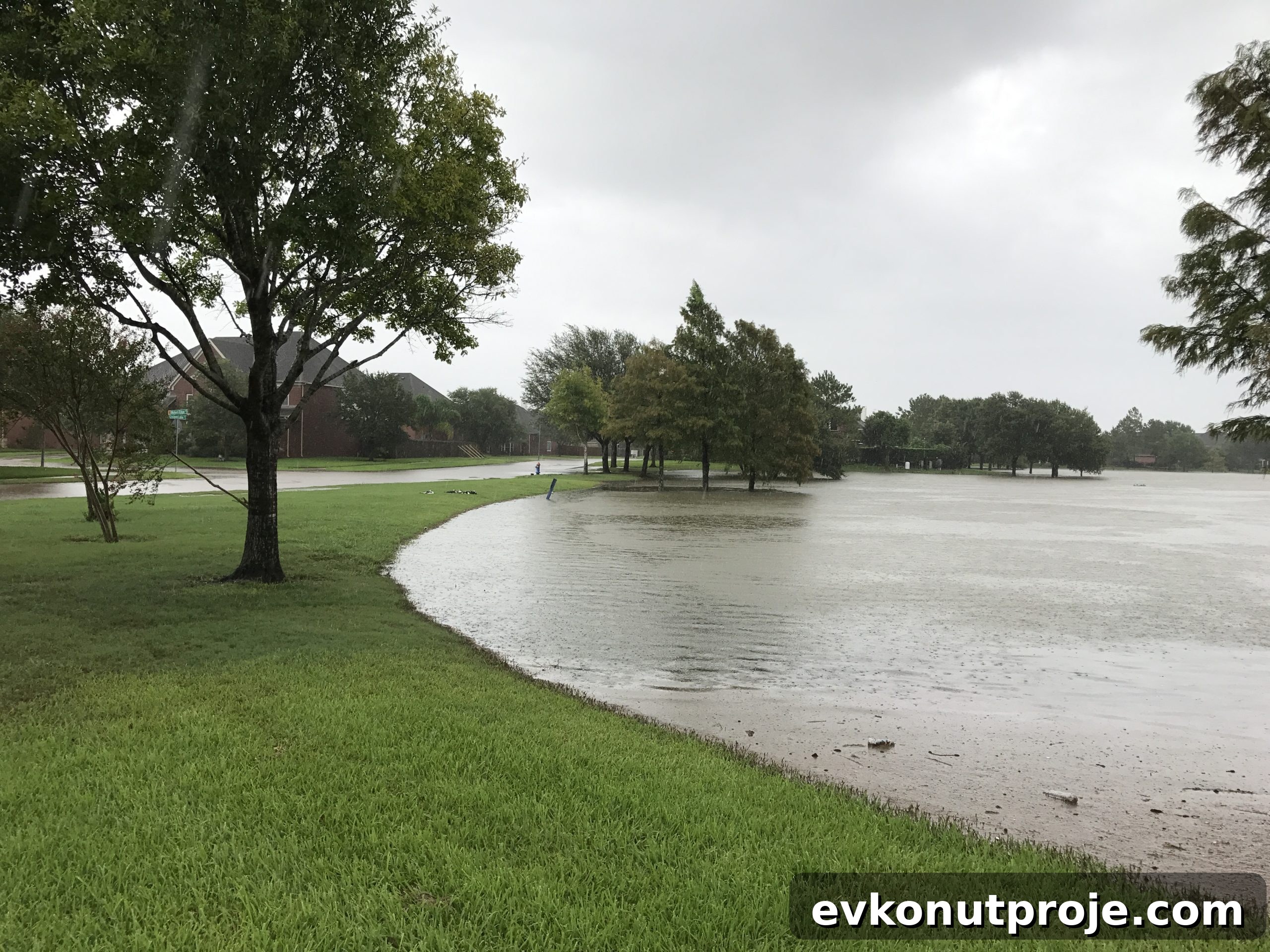
HOUSTON – (By Dale King, Realty News Report) – For many Houstonians, the start of the Atlantic hurricane season marks the beginning of six months filled with difficult memories. Nearly four years after Hurricane Harvey devastated Houston neighborhoods with widespread damage, flooding and loss of life, the 2021 hurricane season is now underway.
The National Oceanic and Atmospheric Administration (NOAA) expects 13 to 20 named storms this season, including six to 10 hurricanes and three to five major hurricanes (Category 3 or higher), a forecast that raises serious concerns for communities along the Gulf and Atlantic coasts.
In 2020 the United States experienced a record 30 named storms during the season.
CoreLogic, a firm that provides data for managing growth and assessing risk, has released its seasonal storm analysis for 2021. The report examines potential property exposure to hurricane-driven wind and storm surge for single-family and multifamily residences. “With this knowledge in hand, we can all better protect the homes, families and businesses we love,” the report states.
31 Million Homes at Risk from Hurricanes
CoreLogic finds that nearly 8 million homes across the country are at risk from hurricane storm surge, and more than 31 million homes face moderate to extreme exposure to hurricane-force winds.
The analysis highlights hotspots for hurricane risk, including Houston. Each of these regions has experienced severe storms in the past, and CoreLogic provides data intended to help mitigate potential impacts this season and reduce community concern.
Memories of Houston’s catastrophic storm remain fresh. Category 4 Hurricane Harvey struck Texas on Aug. 25, 2017, causing an estimated $125 billion in damage. Over four days it dropped roughly one trillion gallons of rain on the Houston area, triggering historic flooding. The storm directly caused 68 deaths and contributed to at least 35 more from related incidents such as traffic accidents. Tens of thousands were displaced from their homes and sought shelter.
CoreLogic’s report identifies areas most vulnerable to storm surge, which inflicted a heavy toll on Houston during and after Harvey.
According to Scientific American, storm surge is often the deadliest element of tropical systems. Hurricane Katrina’s surge devastated New Orleans, and Hurricane Sandy’s surge inundated portions of New York and New Jersey. Though Harvey’s surge was not as extreme in height as some other storms, the combination of intense rainfall and coastal surge produced damaging flood levels along segments of the Texas coast.
Meteorologist Jeff Masters, co-founder of Weather Underground, described how “compound flooding” can occur. When rivers are swollen from heavy rain, they push water toward the Gulf while storm surge pushes seawater inland. Where these flows meet, water levels rise dramatically. Local topography and elevation can amplify compound flooding. For example, parts of Galveston experienced about three feet of sea surge but suffered roughly nine feet of actual water rise due to combined effects.
Houston Ranks No. 8
CoreLogic ranks Houston eighth among the top 15 metropolitan areas with thousands of single-family homes at risk. While cities like New York, Miami, Tampa and New Orleans top the list, Houston still has 261,103 single-family homes in the storm surge target area, with an estimated replacement cost of about $57 billion.
Nearly 2 million Houston single-family homes fall within the wind damage risk zone, with a combined replacement value of just over $492 billion.
The top 15 list for multifamily dwellings in storm surge and wind damage zones does not include Houston, though apartment residents should remain cautious and prepared.
Many metros appear on both single-family and multifamily risk lists, including New York City and Miami, which lead in the number of at-risk multifamily residences, followed by Boston, Tampa, Fort Myers and New Orleans. Texas metros are notably absent from the multifamily top-risk list, with the highest concentrations of multifamily exposure located in New York, Florida and New England regions such as Boston and Providence.
CoreLogic’s 2021 report also emphasizes how climate change “continues to reshape the way storms behave,” noting that risk in hurricane-prone areas is likely to increase.
Using data from NOAA’s National Centers for Environmental Information, CoreLogic highlights a long-term trend: over recent decades there has been a large rise in inflation-adjusted losses from weather events in the United States—an increase on the order of 70 to 90% each decade—an upward trajectory that shows no sign of abating.
Hurricanes can also inflict deep economic harm beyond physical destruction. CoreLogic cites examples from the aftermath of Harvey in Houston:
- In August 2017 Houston’s mortgage delinquency rate was 6.2%; by October it had jumped to 10.9%, an increase of 4.7 percentage points.
- Five months after Harvey, Houston’s available housing inventory remained 23% lower than before the storm.
CoreLogic points out that population shifts—people moving from high-cost metropolitan areas into more affordable but higher-risk coastal regions—are increasing exposure in low-lying, hurricane-prone locations. These areas are particularly vulnerable to climate-related factors such as sea level rise, extreme rainfall, and the potential for stronger storms.
The firm concludes that preparation is a key tool in reducing the impact of natural disasters. “Understanding the risk to help accelerate recovery is the key to resilience,” the report states. For the housing ecosystem, the emphasis is shifting from loss adjudication to loss prevention and avoidance.
CoreLogic further warns that climate change and rising customer expectations are introducing unpredictability for insurers, lenders and other participants in the housing finance system. Organizations that fail to adapt processes and technology risk falling behind.
“By leveraging data, stakeholders can better manage risk and help customers improve their own resilience,” the report says. Supporting community resilience goals and understanding the specific risks faced by those in vulnerable areas are important steps to mitigate the effects of hurricanes and other natural disasters.
June 1, 2021 Realty News Report Copyright 2021
For more about Texas development, check out the book Houston 2020: America’s Boom Town – An Extreme Close Up by Ralph Bivins. Available on Amazon
Copyright Photo Caption: Hurricane Harvey’s rains in 2017 caused massive flooding in Houston. Photo taken Aug. 27, 2017. Photo Credit: Ralph Bivins, Copyright Realty News Report, 2021.
File: Houston Enters Hurricane Season