
HOUSTON – (By Michelle Leigh Smith for Realty News Report) – As crews set up shimmering silver holiday trees and festive lighting along Post Oak Boulevard, NAI Partners’ quarterly breakfast in Uptown Houston offered a clear snapshot of an active local market—and of land prices approaching $50,000 per acre in select locations.
Industry experts from NAI reviewed trends across property types and emphasized a strong land market and an industrial sector buoyed by e-commerce and logistics demand. Retail is staging a solid comeback toward pre-pandemic levels, while office leasing continues at a measured pace as companies reassess workplace needs in the Covid era.
Makris: Land Market is Hot
“Land value projections tied to residential development have jumped,” said Alex Makris, senior vice president of Land Development at NAI. “Where we once saw averages near $25,000 per acre, many parcels are now projected at $30,000–$35,000 per acre and in some hotspots approaching $50,000. Development is active across scales—from 20-acre infill sites to master-planned tracts of 20,000 acres—pushing outward around the city’s edges.”
Makris noted strong demand in neighborhoods such as The Heights and Spring Branch and in outlying suburban counties that support single-family growth, including Waller, Fulshear, Brookshire, Montgomery County and Mont Belvieu. On the industrial side, developers are seeking large tracts farther out to build business parks because shovel-ready lots in many suburban markets are scarce. “The market feels like a long game of musical chairs,” Makris said, “and it’s an exciting ride.”
Gaines: Retail Rebounding to Pre-Covid Level
“Retail is almost back to its pre-Covid footing,” said Jason Gaines, senior vice president of Retail Services and team lead at NAI Partners. He described the sector’s early pandemic struggles—daycare, full-service restaurants and some specialty retailers felt immediate pressure—but emphasized that many resilient and savvy operators are now expanding or returning.
Gaines highlighted new retail projects that reflect shifting consumer habits: mixed-use centers with outdoor patios, multiple drive-through lanes, curbside pickup and flexible small-shop footprints designed for coffee, quick breakfasts and grab-and-go concepts. “Developers are designing centers that meet community needs more thoughtfully,” he said, pointing to a large new center in Katy with amenities aimed at families and school traffic. He added that service-oriented tenants—medical and dental providers, for example—are leasing space more quickly than categories affected by supply-chain and labor constraints.
Labor and equipment shortages remain a bottleneck for some projects. “Some clients are delaying construction three to six months while they wait for steel or crews,” Gaines said. He also pointed to changing restaurant operations driven by delivery platforms: multi-lane drive-throughs and dedicated fulfillment lanes for third-party delivery services are becoming more common. Large regional retailers expanding distribution capacity—such as big-box off-price chains that support several brick-and-mortar rollouts—are another indicator of retail confidence in the market.
Rushing: Houston’s Industrial Strength
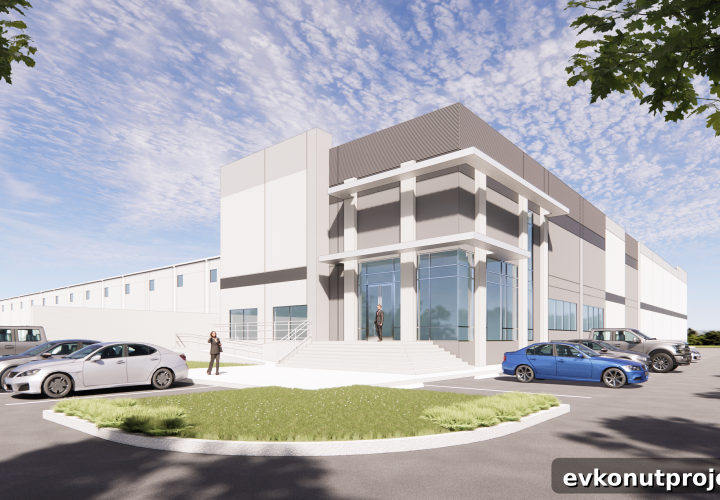
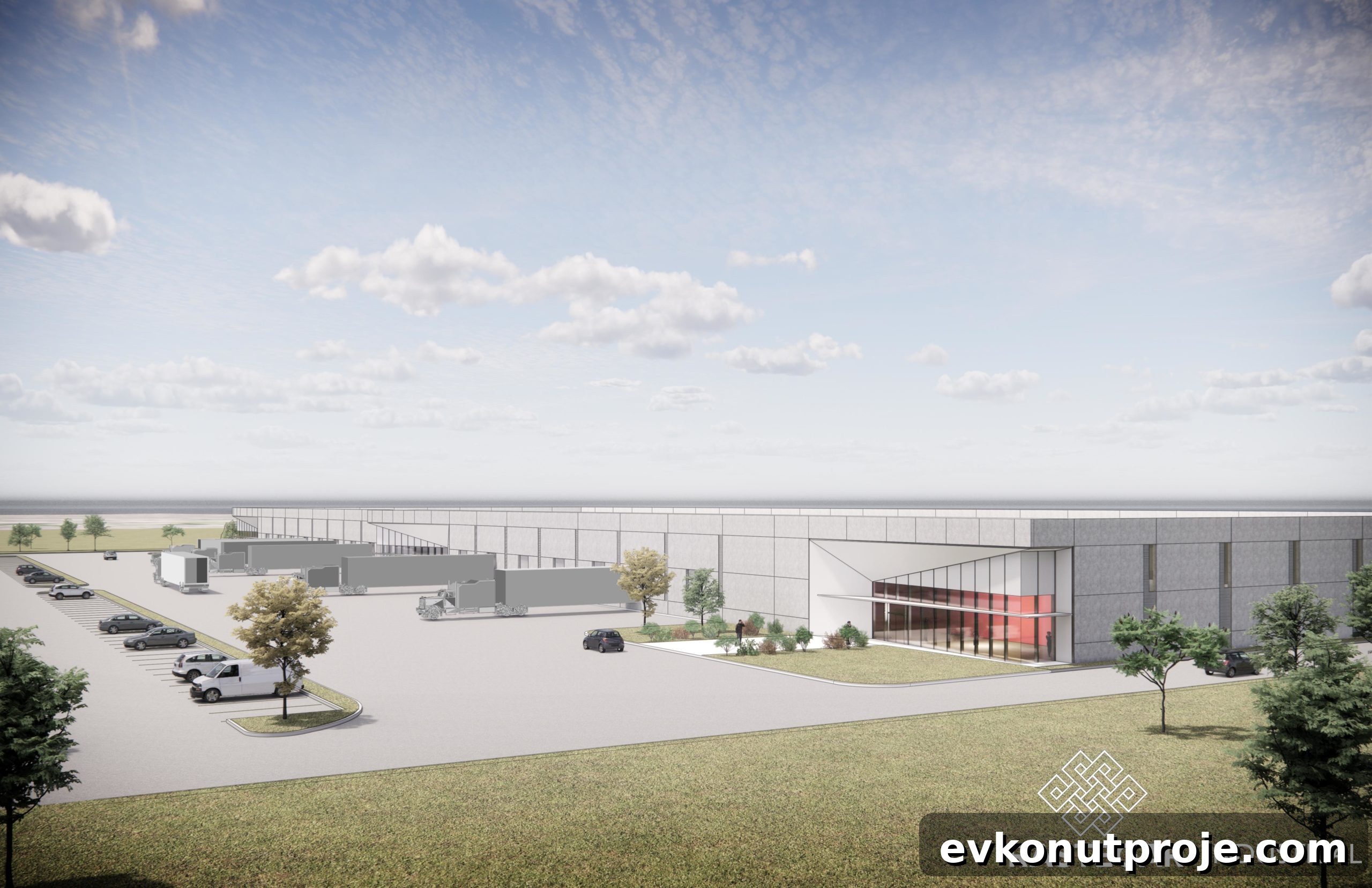
Holden Rushing, senior vice president in Industrial Services, said industrial demand has surged well beyond historical averages. “In the second quarter, demand outpaced supply by more than 9 million square feet, and third-quarter demand reached roughly 11.6 million square feet,” he reported. Prior quarterly demand typically averaged around 7 million square feet.
E-commerce growth is a primary driver, spawning large distribution centers and prompting developers to seek available land with utilities farther from central nodes. The Port of Houston’s record inbound container volumes and steady ship turnaround, channel expansion progress and higher oil prices have all contributed to an upswing in manufacturing and logistics investment. “Houston is securing a stronger national role as a distribution and industrial hub,” Rushing said.
Boyles: Office Tenants Deliberate Deals
NAI partner Dan Boyles described a cautious office market where tenants are taking time to determine the right footprint and configuration for hybrid and return-to-office strategies. “Companies are analyzing employee counts, collaboration needs and flexibility,” Boyles said. “Some are reducing space, others are reconfiguring, and a few are still expanding. It’s not a single trend across the board; it’s a strategic, company-by-company decision.”
Nov. 7, 2021 Realty News Report Copyright 2021
For more on Texas real estate, see the book Houston 2020: America’s Boom Town — An Extreme Close Up by Ralph Bivins. Available in print and as an ebook.
File: Houston Real Estate Story
Photo Credit: Ralph Bivins, Realty News Report Copyright 2021