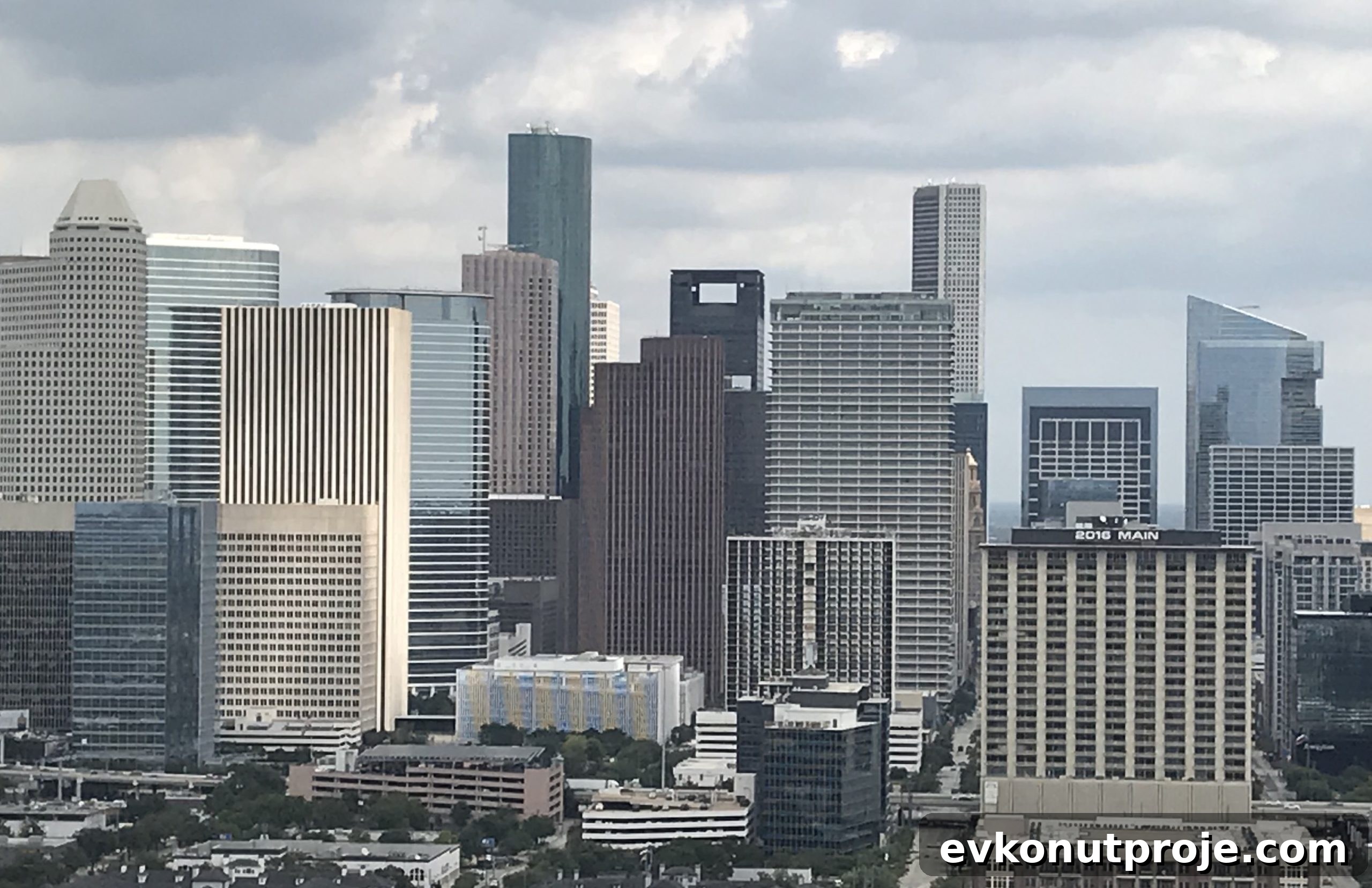
Remembering When Acclaimed Landscape Architect James D. Burnett Spoke on (1) Downtown Houston, (2) Tearing Down the Pierce Elevated and (3) Building a Deck Park over TxDOT’s Proposed New Freeway Near Houston’s George R. Brown Convention Center.
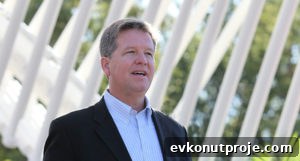
HOUSTON – (Realty News Report, Ralph Bivins Editor) – James D. Burnett, founder of the landscape architecture practice the Office of James Burnett, gave an in-depth interview to Realty News Report published in the summer of 2016.
Burnett, recipient of the American Society of Landscape Architects Design Medal for his career-long contributions, discussed transformative ideas for the future of downtown Houston.
As Houston continues to debate major changes to downtown freeways and the city’s growing need for open green space, we revisit Burnett’s insights from five years ago.
Realty News Report: Your firm designed Dallas’ Klyde Warren Park, which appears to create green space “out of thin air” by bridging an eight-lane freeway and reconnecting neighborhoods with the Dallas Arts District and downtown. What inspired the park?
James D. Burnett: Klyde Warren Park grew from an idea rather than a single physical inspiration. The goal was to create a welcoming park for everyone—not an ego-driven sculptural statement but a collection of outdoor rooms tailored to different activities. We wanted a park that offered something for all ages and interests: children’s play areas, spaces for games, splashable water features, Texas native botanical-interest gardens, and even a dog park. Equally important was support for informal uses—birthday parties, outdoor meetings, impromptu gatherings, festivals and large performances for hundreds.
One of our key aims was to provide a community space where people could spend their valuable free time in a place they love. Over time Klyde Warren Park has become Downtown Dallas’ backyard—a place to people-watch, let kids play, walk dogs, exercise and socialize. From a design standpoint, we looked forward rather than back, embracing progressive ideas in planting, lighting and water, along with detailed architectural elements. Klyde Warren Park is more than green space; it’s a comfortable urban refuge where people can reconnect with nature.
Realty News Report: Can a project like Klyde Warren Park be replicated in other cities?
James D. Burnett: The strategy can be replicated, but each city needs its own expression that reflects local identity. The concept of covering a freeway to heal a division and connect neighborhoods is powerful and should be considered in many places. However, the specific design that works in Dallas would differ in cities like Chicago, Phoenix or Atlanta; each would require a unique version that responds to its context and aspirations.
Realty News Report: With public funding for parks increasingly constrained, how important is a sustainable funding and maintenance plan?
James D. Burnett: It’s essential. Long-term funding is the lifeblood of any cultural, civic, or public space. You can’t spend the last dollar before opening and expect the park to thrive. Projects need contingencies, endowments and strong community backing. That support doesn’t always have to come from taxes; private philanthropy, corporate partners and community stakeholders who feel ownership are vital. People want to support parks, but they need ways to contribute and stay engaged.
Realty News Report: There’s talk in Houston about demolishing the Pierce Elevated freeway downtown. What do you think about converting the structure or its footprint into parkland?
James D. Burnett: I strongly support converting the Pierce into public open space. A linear park could dramatically transform that part of downtown, reclaiming land lost to highway infrastructure and providing a shared green space for nearby neighborhoods.
Realty News Report: TxDOT has explored placing freeways near the George R. Brown Convention Center underground, which could allow deck parks similar to Klyde Warren Park to reconnect downtown with areas to the east. Is that feasible?
James D. Burnett: Yes. There are about 50 new deck parks planned across the United States. These projects reconnect neighborhoods and districts, often in downtown settings similar to East Houston. Deck parks—or green bridges—can have a dramatic positive impact, as demonstrated in Dallas. Implementing a deck park near the convention center could be a game changer for Houston.
Realty News Report: What other landscape and urban design priorities should downtown Houston consider?
James D. Burnett: Houston should continue to prioritize pedestrian-friendly streetscapes: narrower travel lanes, generous sidewalks, abundant street trees, on-street parking and pocket parks. Workers and residents need accessible places to step outside, relax and experience nature. Downtown success isn’t just about one or two signature parks; a network of open spaces distributed across the urban fabric is crucial. Cities with strong commitments to public space show how transformative this approach can be. Houston has made notable progress, but there remain significant opportunities to reshape downtown’s character through thoughtful open-space design.
Originally published July 12, 2016 by Realty News Report, a Texas-based publication edited by Ralph Bivins.
Aug. 2, 2021 Realty News Report Copyright 2021
Photo credit: Ralph Bivins of Realty News Report Copyright 2021
For more about Texas real estate, see the book Houston 2020: America’s Boom Town – An Extreme Close Up by Ralph Bivins.
File: Advice for Downtown Houston. James Burnett.