HOUSTON – (By Dale King, Realty News Report) – Inflation is proving to be a powerful and unpredictable force that can alter plans, derail deals, and reshape dreams—especially in the housing market. A recent Redfin-commissioned survey of Americans seriously considering buying or selling a home within the next 12 months found that 29 percent are delaying homebuying plans because of inflation. Meanwhile, 24 percent are accelerating their plans and 11 percent are abandoning them altogether.

“Homeownership has long been viewed as a hedge against rising rents, and rents are particularly sensitive to inflation,” said Ken H. Johnson, Ph.D., an economist with Executive Education at Florida Atlantic University’s College of Business in Boca Raton, Fla. “Given the current elevated level of inflation, it’s not surprising that many survey respondents say they are moving up their plans to buy.”
The survey also found inflation’s influence on sellers: 10 percent say inflation is prompting them to list their home sooner, 7 percent are delaying plans to sell, and 3 percent have decided not to sell at all.
“The way Americans interpret news about rising prices can affect their financial decisions, including whether to buy a home,” said Daryl Fairweather, chief economist at Redfin. “Some buyers may delay because they’re worried about making a major purchase while costs for food, fuel, and other essentials are climbing. Others may hurry in hopes of locking in a fixed mortgage payment before home and rent prices rise further.”
Rising prices are what Johnson calls “a double-edged sword.” If home prices rise while a metro area is near the peak of a housing cycle, buyers who purchase at that peak can face a long wait before seeing meaningful financial returns. They may even become underwater—owing more on the mortgage than the house is worth—limiting mobility and professional opportunities that require relocation.
Conversely, rising prices after a market bottom typically signal recovery and create a favorable environment for buyers. “The key question is how far prices deviate from the area’s long-term trend,” Johnson explained. “Large swings away from that trend make it difficult for housing to reliably serve as a wealth-building asset. Buyers who time purchases near cycle peaks delay wealth creation; those who buy near cycle bottoms gain more quickly, but cycle bottoms are rare.”
“Ideally, housing cycles should not deviate substantially from an area’s long-term pricing trend. In that scenario, homeownership builds wealth steadily through long-term appreciation, with less risk from dramatic swings.”
The Redfin survey was released as inflation reached its highest levels in nearly four decades, with consumer prices up 6.8 percent in November year-over-year. Rising energy costs, especially gas, are a major driver. Despite inflationary pressures, home sales are expected to stay active in 2022.
Gas prices are already shaping housing decisions: 73 percent of survey respondents said rising gas prices affect their homebuying plans or commute. Specifically, 35 percent plan to drive less or switch to a more fuel-efficient vehicle, 25 percent plan to shorten their commutes, and 21 percent said they might buy a less expensive home because of fuel costs.
“Buyers respond to high fuel prices in different ways depending on their circumstances,” said Taylor Marr, Redfin’s deputy chief economist. “Some will pay a premium for a shorter commute, while others will choose a more affordable home or invest in a more fuel-efficient vehicle to offset higher gas costs.”
Jan. 7, 2022 Realty News Report Copyright 2022
Check out the book Houston 2020: America’s Boom Town – An Extreme Close Up by Ralph Bivins. Available on Amazon
Houston 2020 Ebook version
File: Oncoming Inflation Worries Homebuyers
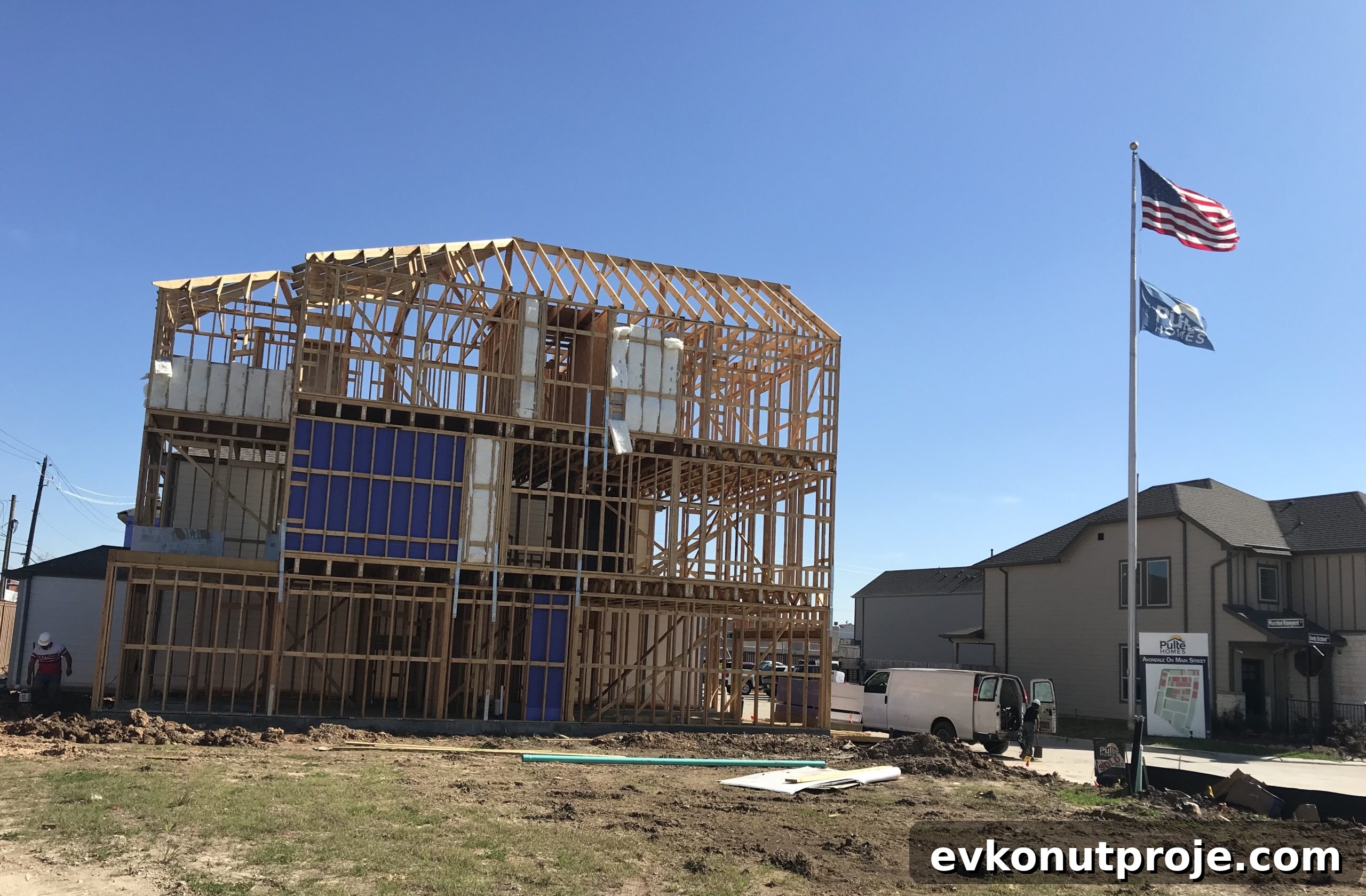
Feature photo credit: Ralph Bivins, Realty News Report Copyright 2022
File: (2) Redfin. Oncoming Inflation Worries Homebuyers. Ken H. Johnson. Taylor Marr